 Skip to content
 1. Use Light Colors to Open Up Your Space
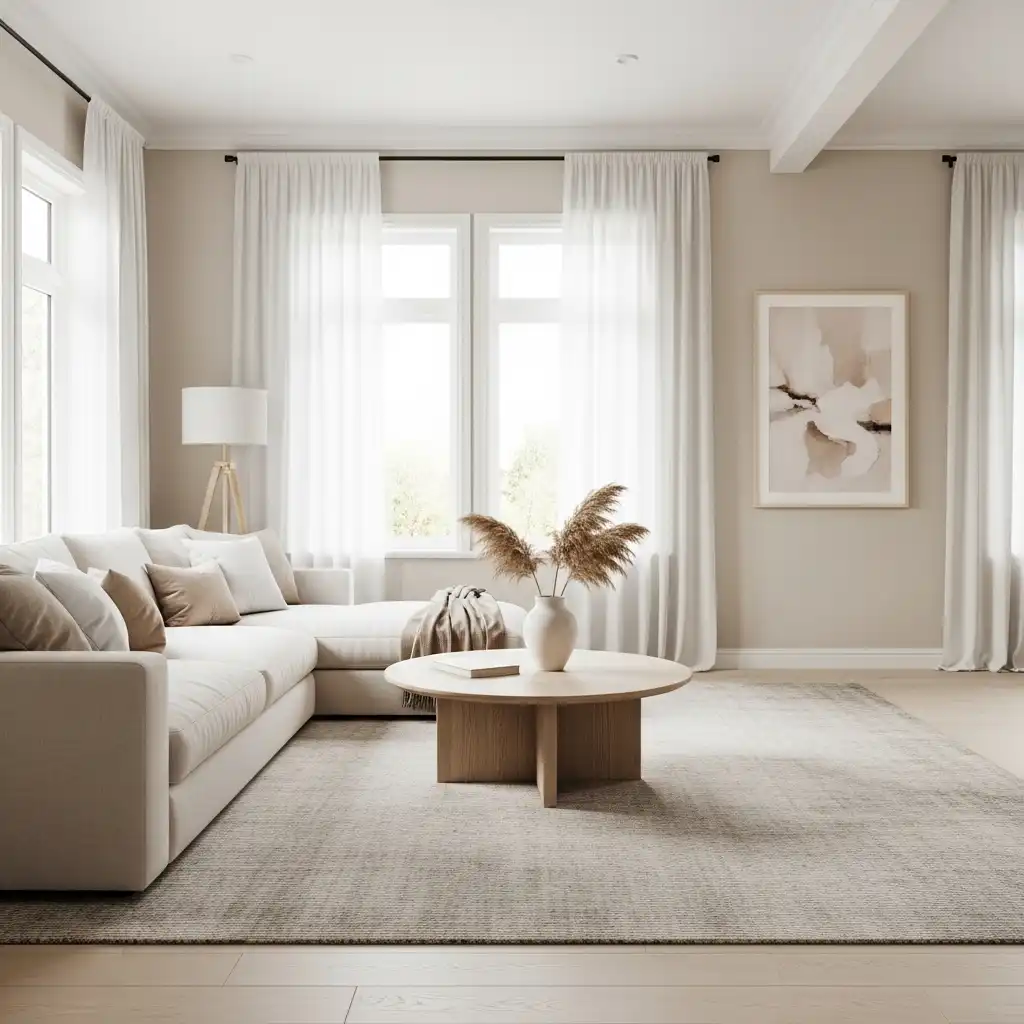
Using light colors is one of the simplest ways to make your living room feel bigger without spending much. Soft whites, creams, and pale greys bounce natural light around the room and visually expand tight corners. This approach creates an airy atmosphere that instantly feels more open. Light tones make your decor feel cohesive and help hide clutter better than darker shades.
Pairing these colors with simple accessories keeps your space from feeling heavy or crowded. Adding airy curtains, light-toned rugs, and minimal decor keeps the room balanced and calm. This low-cost technique works for every home style and helps create a bright, inviting environment where every inch feels intentional and fresh.
2. Try Multi-Functional Furniture for Small Areas
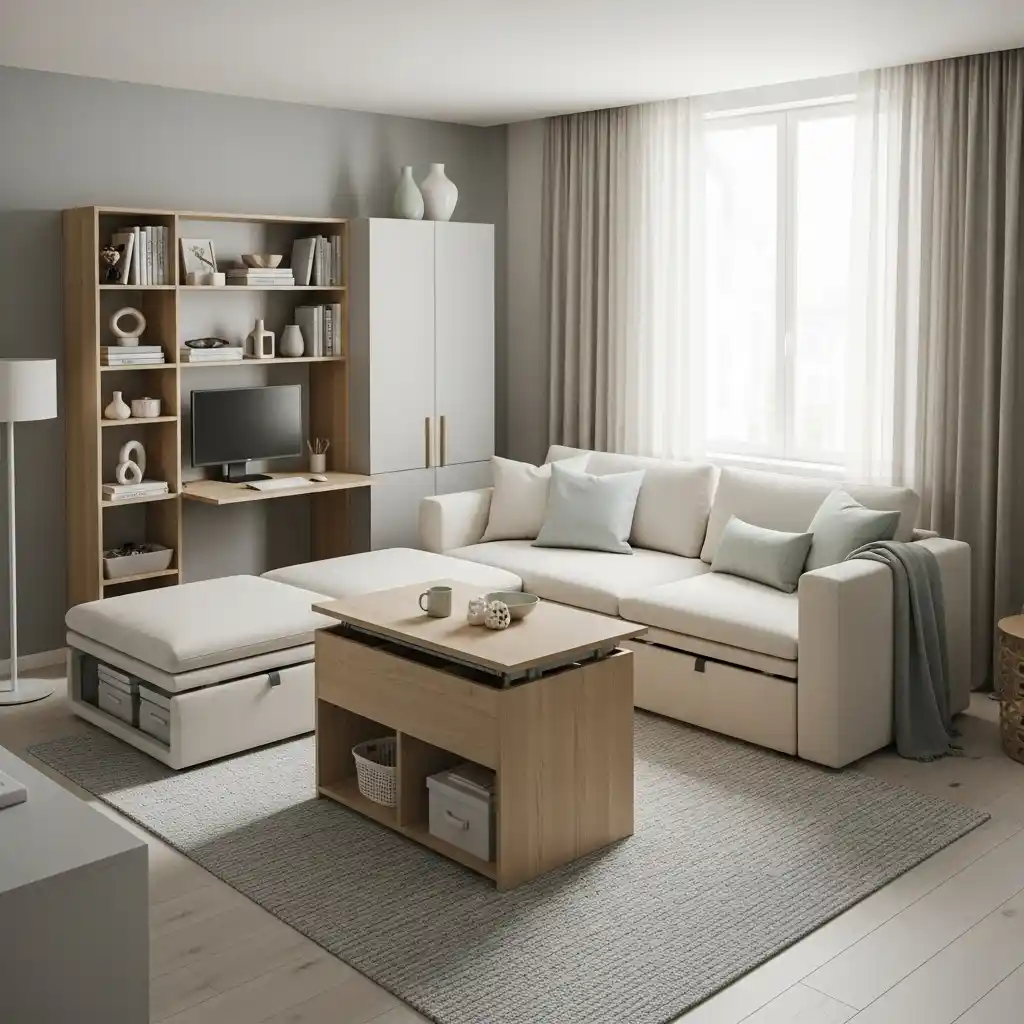
Multi-functional furniture is essential when you’re working with limited space. Pieces like storage ottomans, fold-out tables, and sofa beds give you flexibility without overcrowding the room. These affordable options help you maximize functionality without sacrificing style. Multi-purpose pieces reduce clutter, making your living area feel more open and welcoming.
Choosing soft-neutral designs ensures each piece blends seamlessly with your overall layout. This helps maintain a calm, minimal look even with several functions built in. By investing in flexible furniture, you create a living area that adapts to your daily needs and helps you make the most of every inch.
3. Use Mirrors to Expand the Room Visually
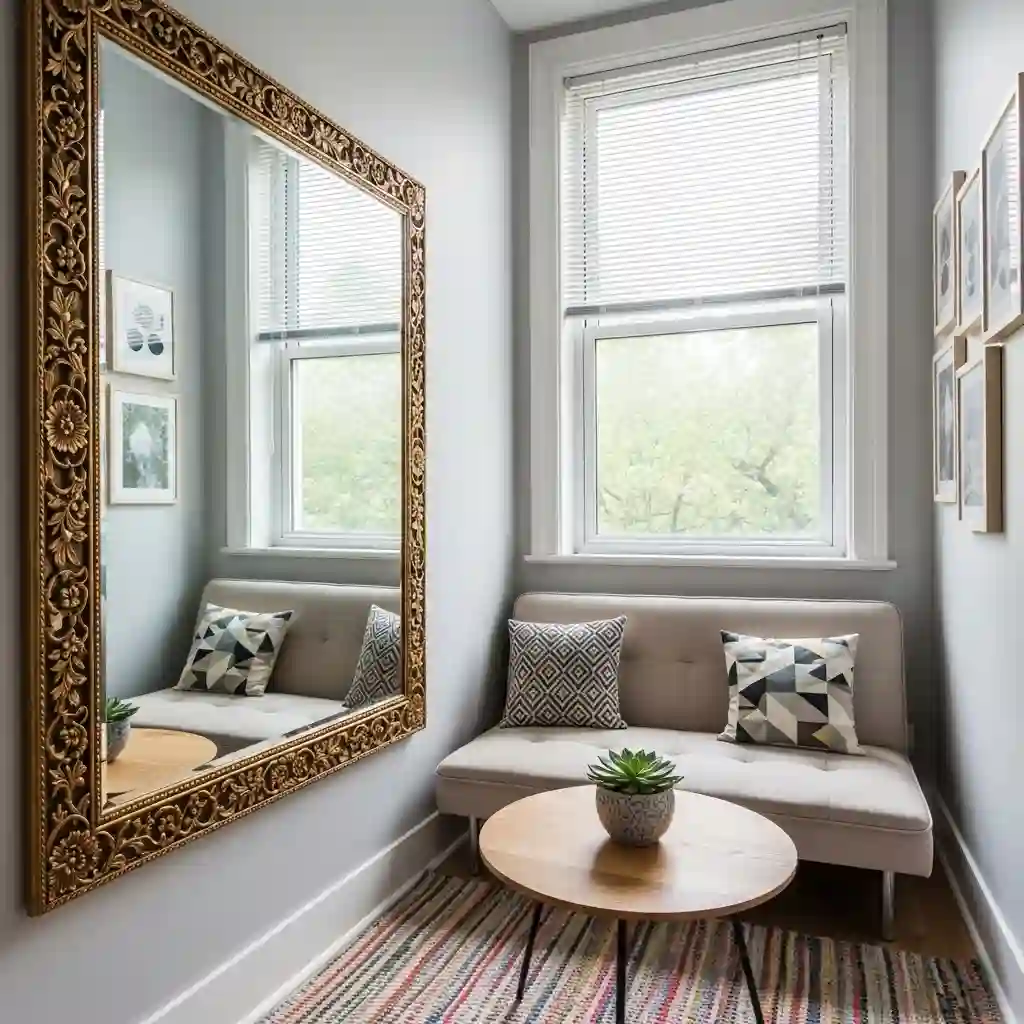
Mirrors are one of the most budget-friendly ways to give small living spaces an instant lift. Their reflective surfaces bounce light around the room, making everything feel larger and brighter. Placing a mirror across from a window can create the illusion of added depth without major renovations.
Choosing simple frames and clean shapes keeps the design timeless and elegant. Mirrors also work well in narrow hallways or small living rooms, bringing a sense of openness and balance. This affordable decor trick transforms compact areas into more spacious, airy environments with minimal effort.
4. Declutter and Embrace Minimal Decor
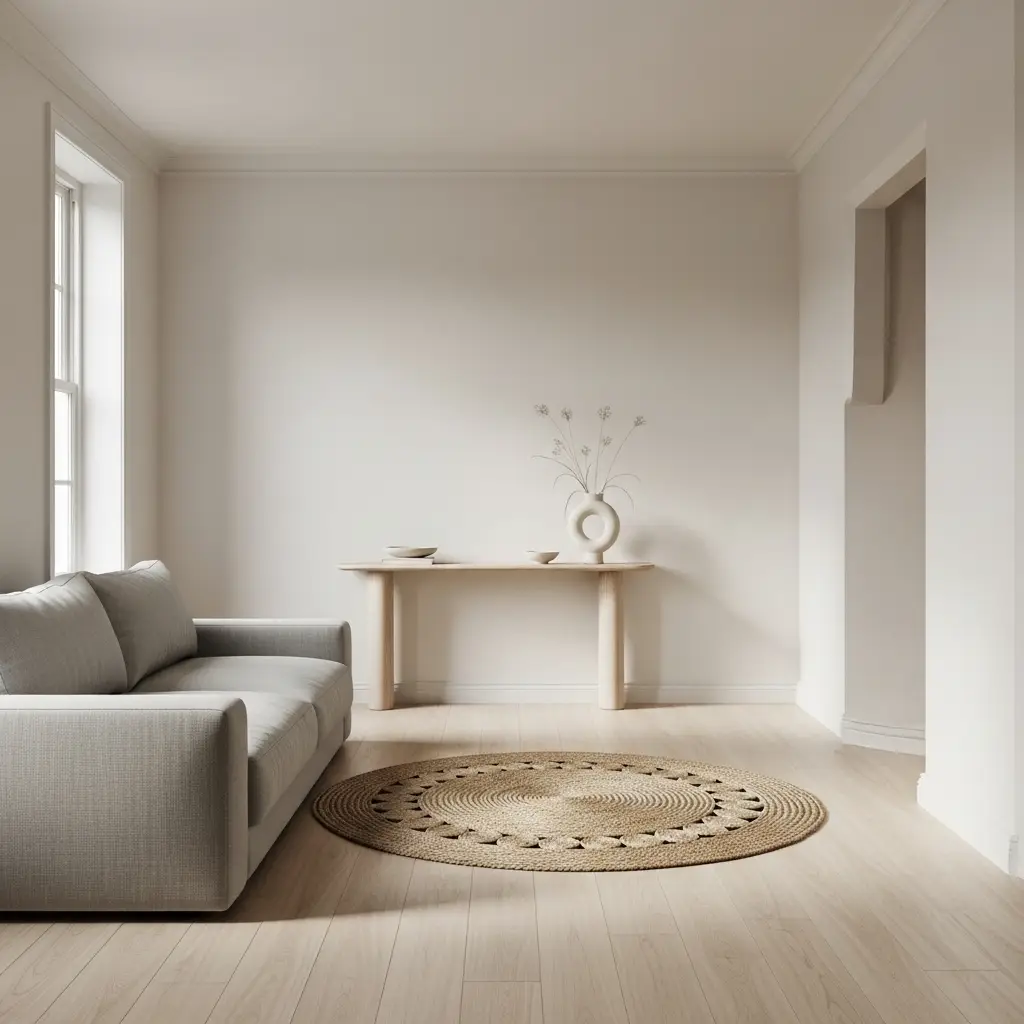
Removing unnecessary items creates a calm, open environment that makes small living rooms feel much larger. Decluttering doesn’t require any budget—it simply helps you focus on what truly matters. A few thoughtful decor pieces bring more impact than overly full shelves or busy surfaces.
Choosing minimal decor like soft pillows, candles, and natural accents helps maintain a clean and cohesive look. This approach allows your furniture and layout to shine without distractions. A minimal, curated room always feels more spacious, organized, and comfortable for everyday living.
5. Add Vertical Shelving to Free Up Floor Space
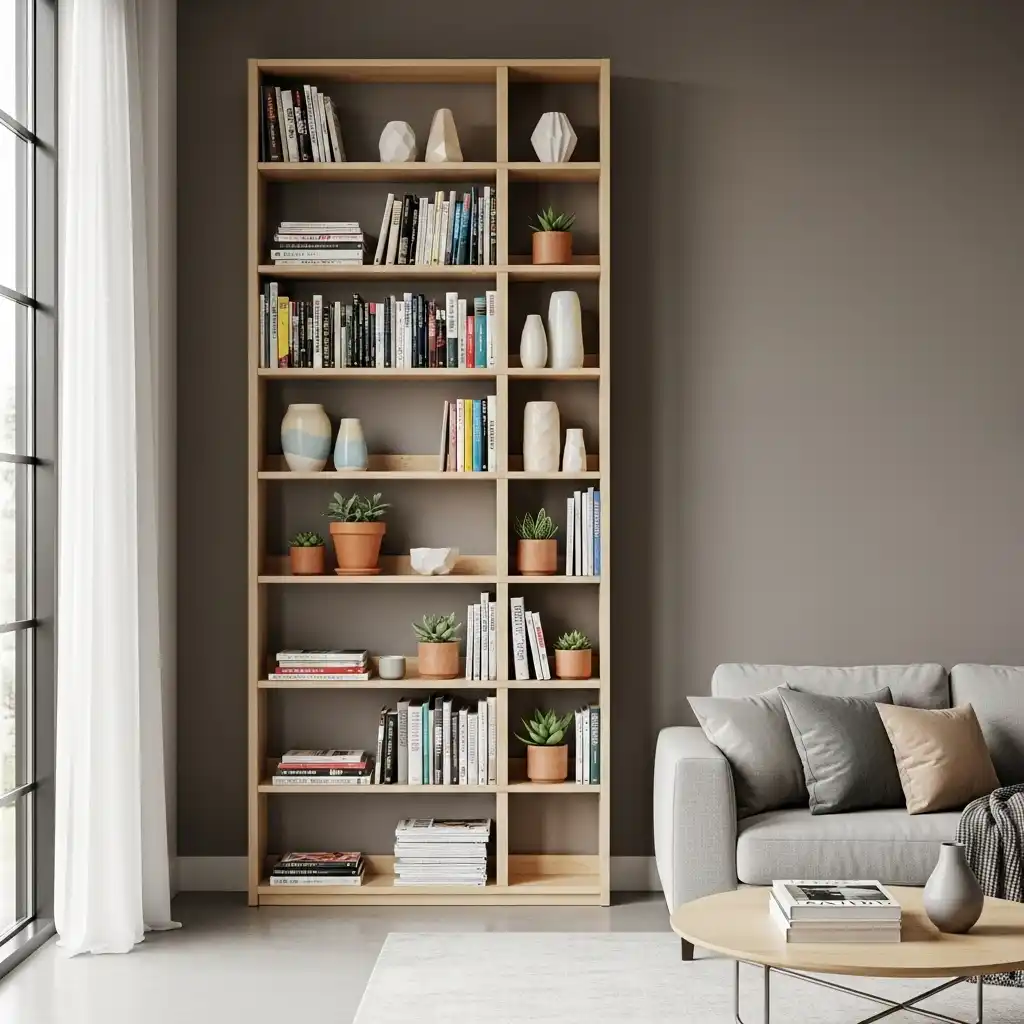
Shifting storage upward is an easy and affordable way to maximize limited square footage. Vertical shelving takes advantage of unused wall space and keeps your floor area open and uncluttered. Floating shelves or tall units provide display space for plants, books, and decor without crowding the room.
Choosing neutral or wooden finishes ensures the shelves blend seamlessly with your living room. This strategic approach makes the entire area feel taller and more spacious. Vertical storage helps keep items accessible while maintaining an airy, organized layout.
6. Choose Slim Furniture for Tight Rooms
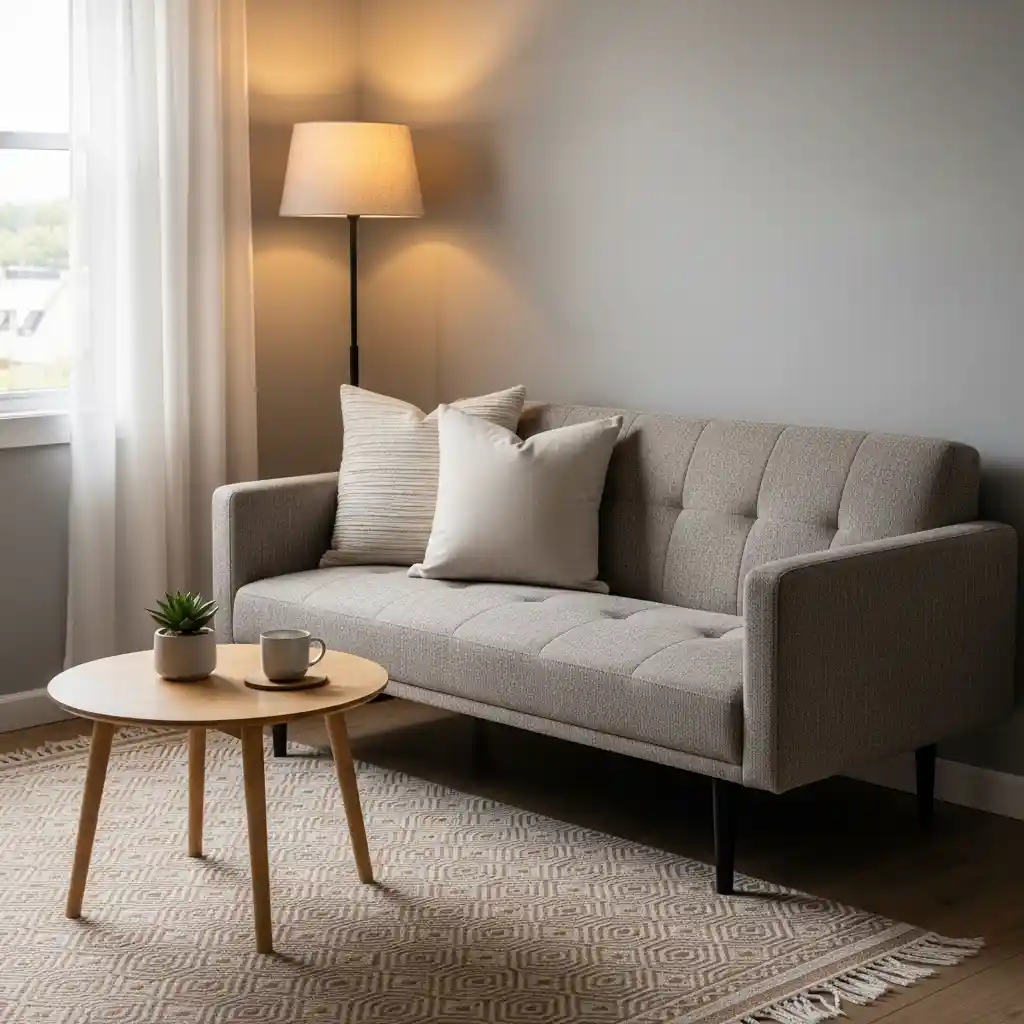
Slim and streamlined furniture pieces are ideal for small living rooms. Their narrow frames make the space feel more open while still offering comfortable seating and practical use. Choosing pieces with exposed legs further enhances the airy look, letting more light flow around the room.
Soft materials and neutral upholstery help slim furniture feel cozy rather than minimal or cold. Even a narrow sofa can feel inviting when paired with warm lighting and textured pillows. This low-cost adjustment makes a big difference in how spacious your living room feels.
7. Make Use of Corners for Functional Seating
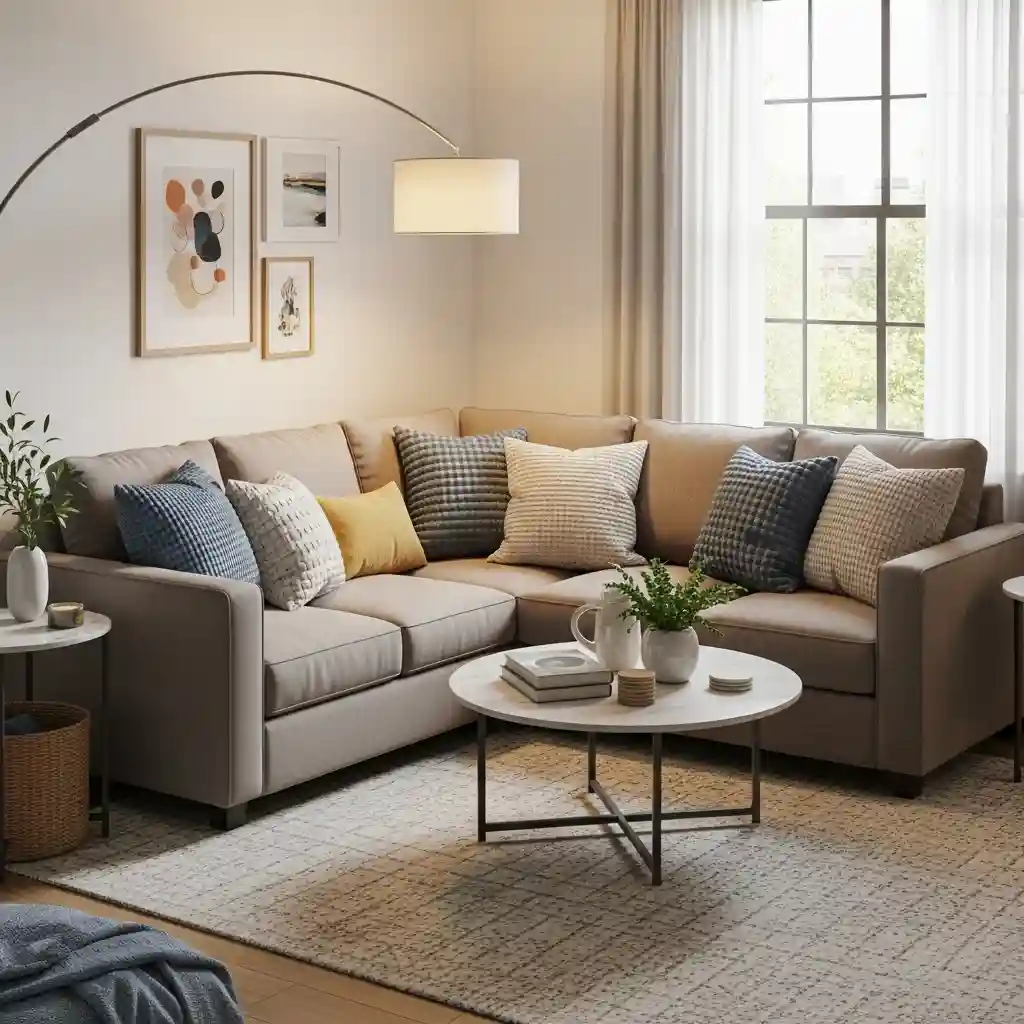
Corners often go unused, but they can easily become cozy seating spots with the right pieces. A small chair, corner bench, or floating corner shelf helps transform overlooked spaces into functional zones. This trick is budget-friendly and ideal for compact living rooms.
Adding soft pillows or a small lamp enhances comfort and usability. Using corners smartly frees up the center of your room and makes the layout more efficient. This strategy helps you maximize every inch without crowding your main seating area.
8. Use Soft Lighting to Warm Up Small Spaces
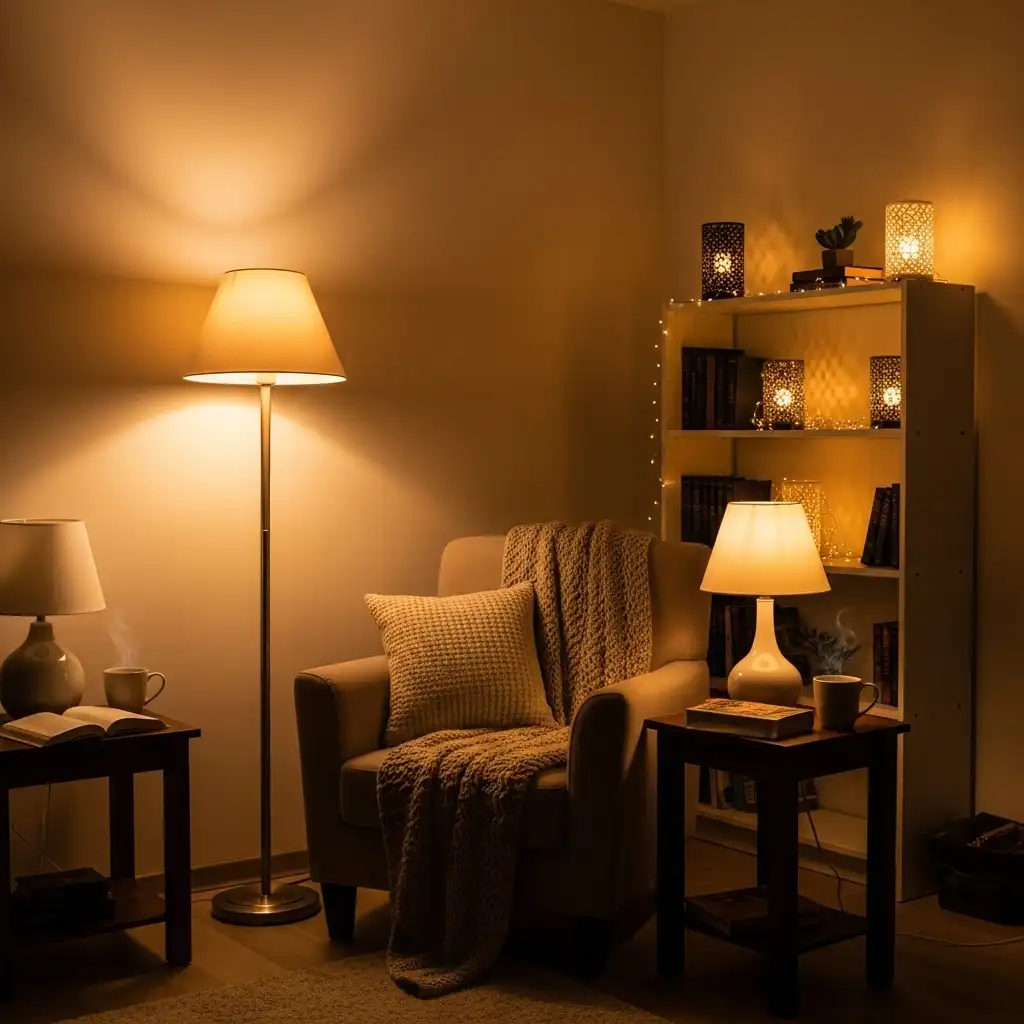
Soft lighting instantly makes a small living room feel bigger and more comforting. Affordable lamps, string lights, or warm LED bulbs create a gentle glow that softens harsh edges. The right lighting gives the entire room a cozy and welcoming feel, even on a tight budget.
Layering lights instead of relying on overhead fixtures ensures better balance. Table lamps, floor lamps, and wall sconces deepen the room’s atmosphere and prevent shadows. This simple upgrade brings warmth and openness that enhances small living spaces beautifully.
9. Bring in Plants for Freshness and Texture
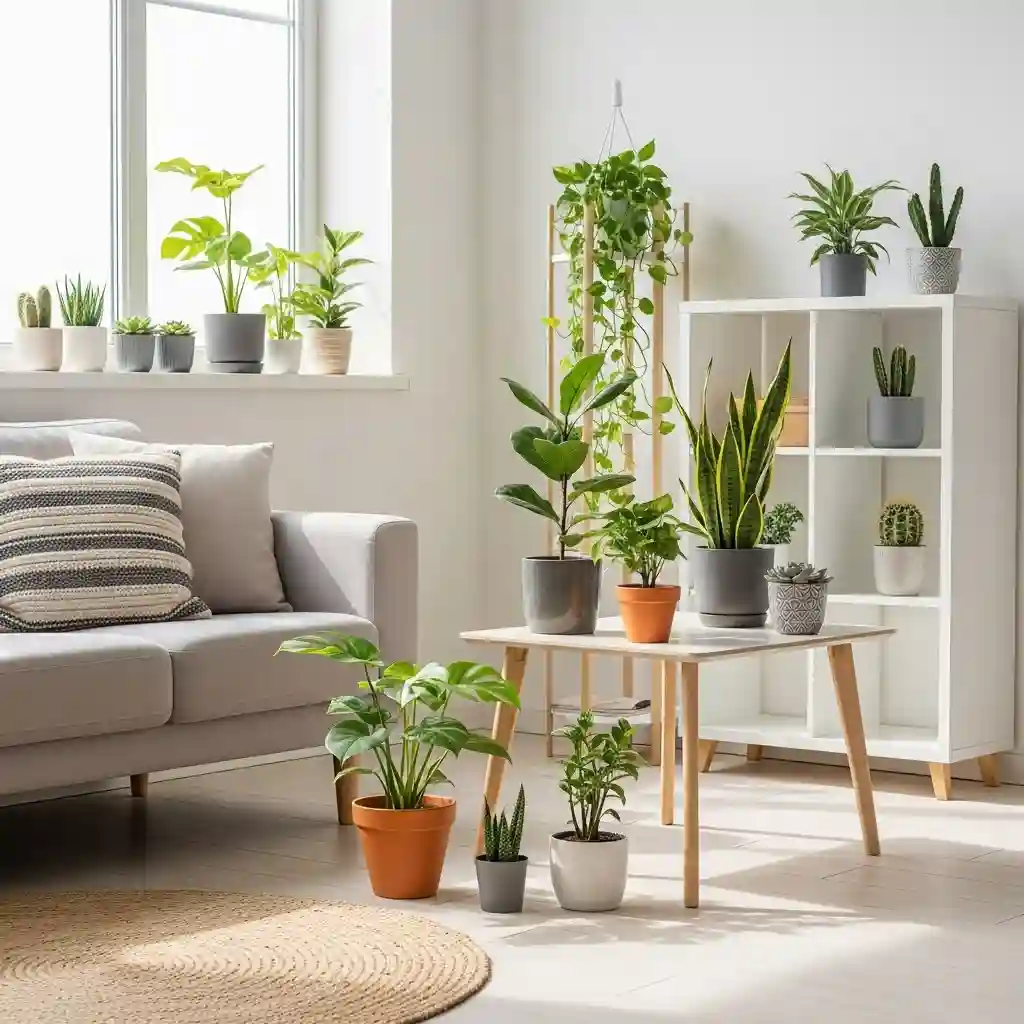
Plants add life and texture to your living room without requiring much investment. Their greenery brings softness to tight spaces and helps break up visual monotony. Even a single leafy plant can brighten a corner and create a more lively atmosphere.
Using small planters or hanging pots is ideal for tiny rooms because they add charm without occupying much space. Plants pair beautifully with neutral interiors, adding natural warmth. This affordable decor trick helps create a calm and refreshing environment that feels larger and more balanced.
10. Use Light Curtains to Keep Rooms Airy
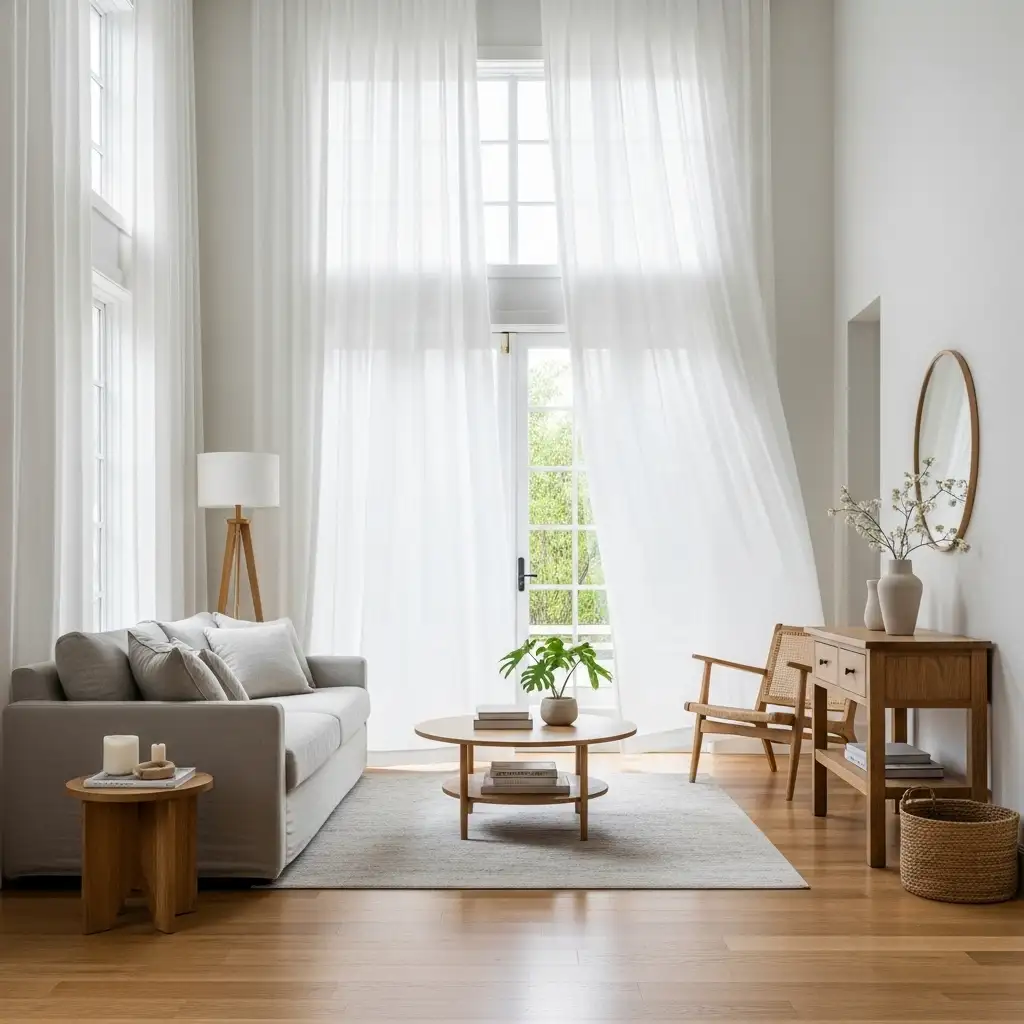
Heavy curtains can make a small room feel boxed in, while light, airy curtains keep things open and bright. Sheer or linen-style options allow natural light to flow freely and make the space feel warmer and more inviting. These budget-friendly options also add a soft, elegant touch to your living area.
Neutral curtain colors blend smoothly with any furniture style and prevent visual clutter. Light fabrics bring a sense of gentle movement to your living room, creating a calm and expansive look. This simple upgrade instantly transforms your space.
11. Add Hidden Storage to Reduce Visual Clutter
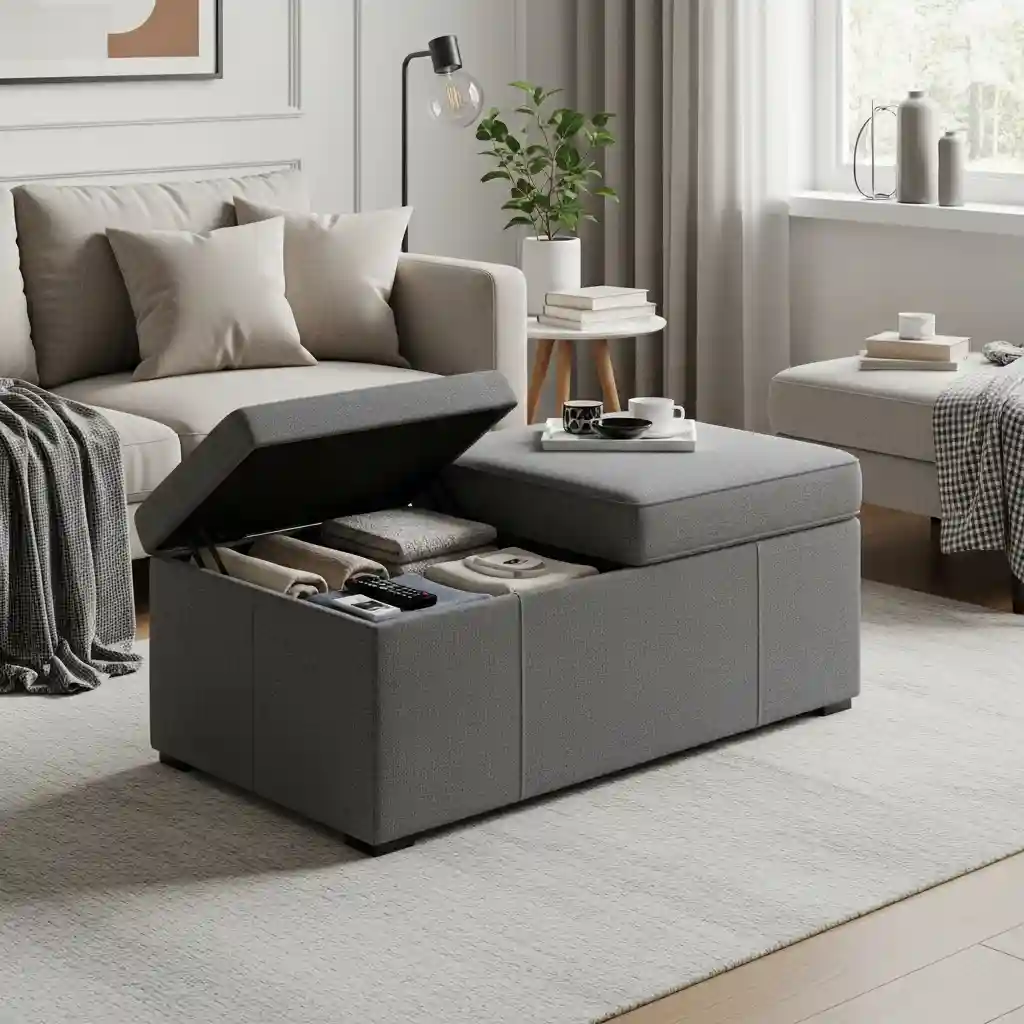
Hidden storage solutions like storage ottomans, under-sofa bins, and sleek cabinets help keep your living room organized without adding bulky furniture. These options are affordable and perfect for small rooms where every inch counts. Concealed storage keeps daily essentials out of sight, maintaining a clean and tidy atmosphere.
Pairing hidden storage with minimal decor ensures the room remains functional without feeling cramped. This method helps you maintain an organized space where everything has its place. It’s one of the most effective low-budget ways to expand your living area visually.
12. Use Area Rugs to Define Open Layouts
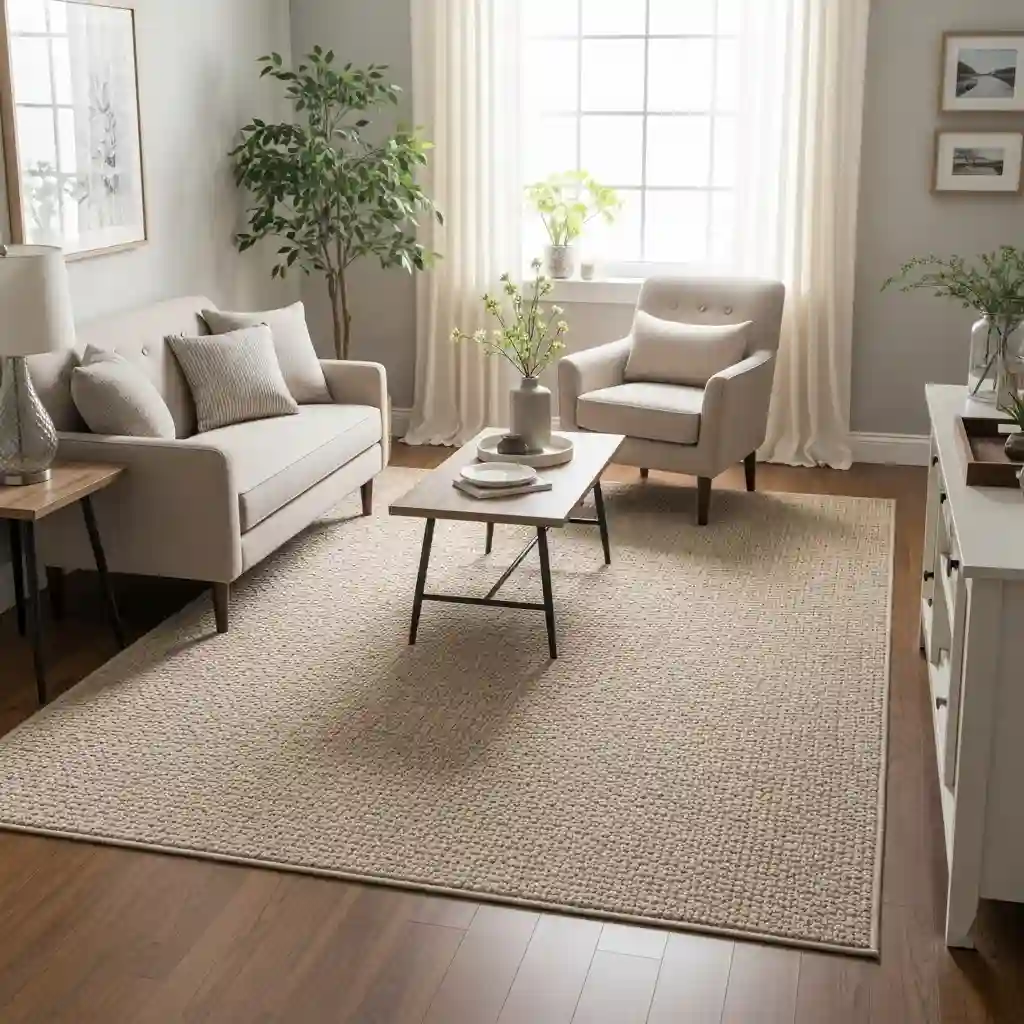
Area rugs help visually organize a room by creating defined zones, even in small or multipurpose spaces. A well-chosen rug anchors your furniture and brings cohesion to the layout. Soft textures and light hues keep the room feeling open and calm.
Choosing the right size rug ensures the furniture sits comfortably within the space, avoiding a cluttered look. This affordable element helps create balance and adds warmth to your living room. Rugs work beautifully in both modern and classic interiors.
13. Try Neutral Furniture for a More Open Look
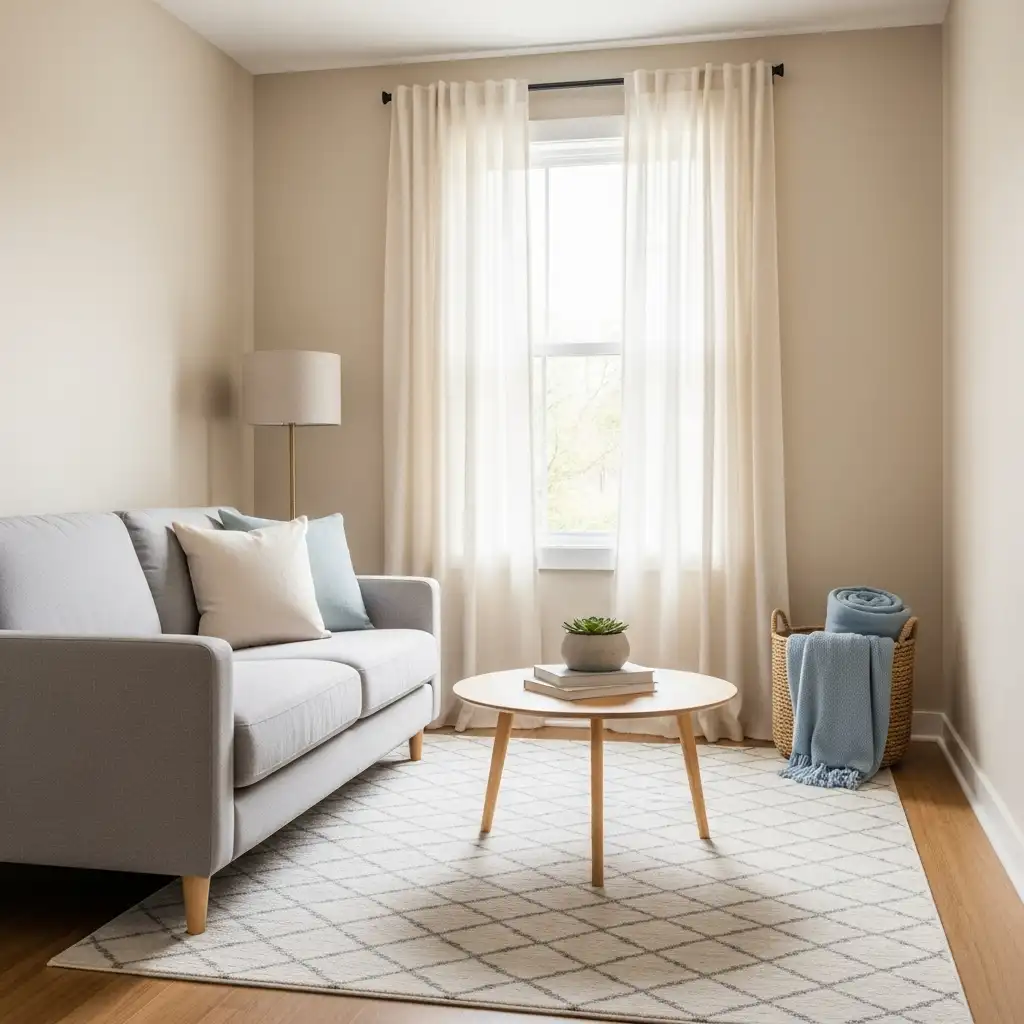
Neutral-toned furniture helps create a cohesive and uncluttered atmosphere in small living rooms. Soft greys, beiges, and warm whites visually expand the space and make everything feel more harmonious. These tones blend easily with a variety of decor styles.
Pairing neutral furniture with light walls and minimalist accessories enhances the open feel. This approach allows you to update your decor later without changing major pieces. Neutral furniture remains an inexpensive and timeless way to create a calm, spacious environment.
14. Use Floating Furniture Layouts for Better Flow
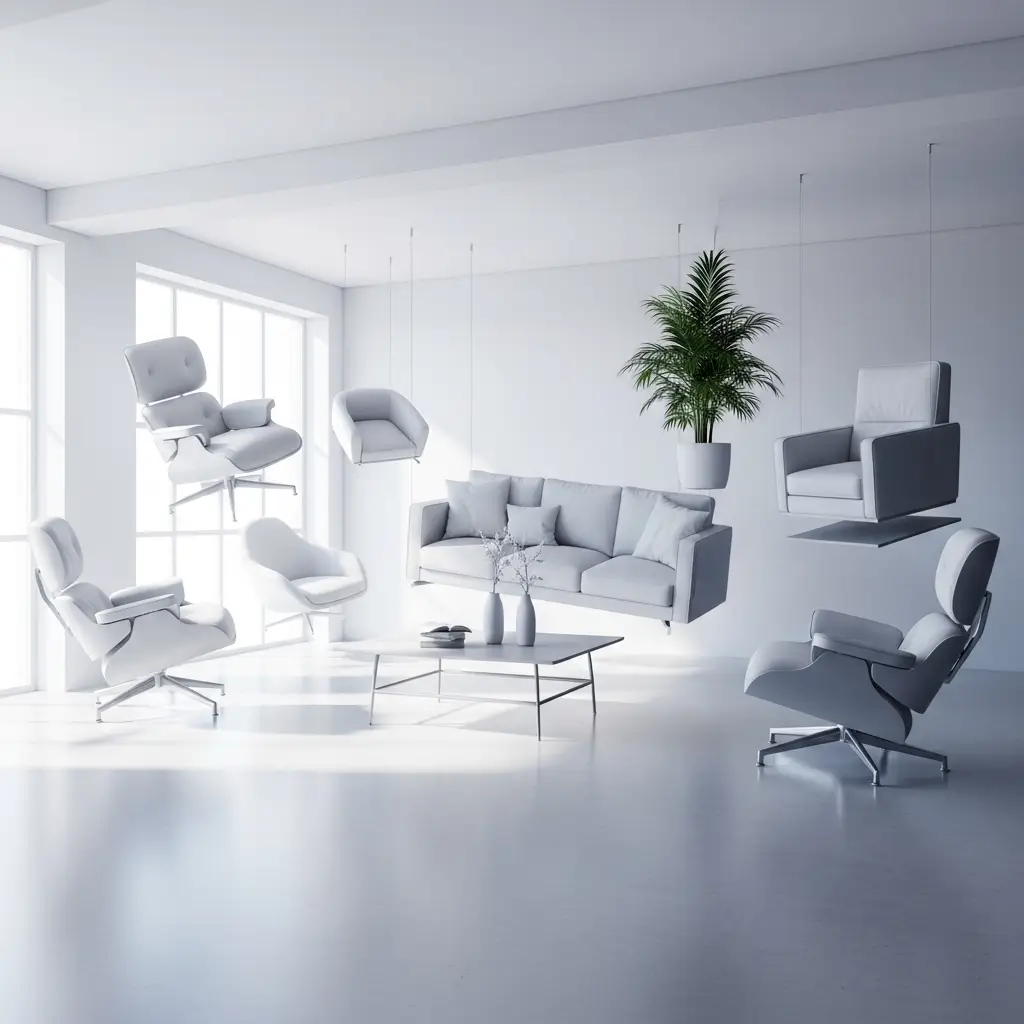
Pulling furniture slightly away from walls helps living rooms feel more spacious. Floating layouts encourage better movement and open up the room’s visual flow. This arrangement adds a more thoughtful and airy feel without requiring new furniture.
Using slim sofas or light coffee tables makes floating layouts even more effective. This method allows you to highlight key decor pieces while maintaining an open, breathable space. It’s a simple, cost-free way to maximize small living areas.
15. Build Simple DIY Shelving for Affordable Storage
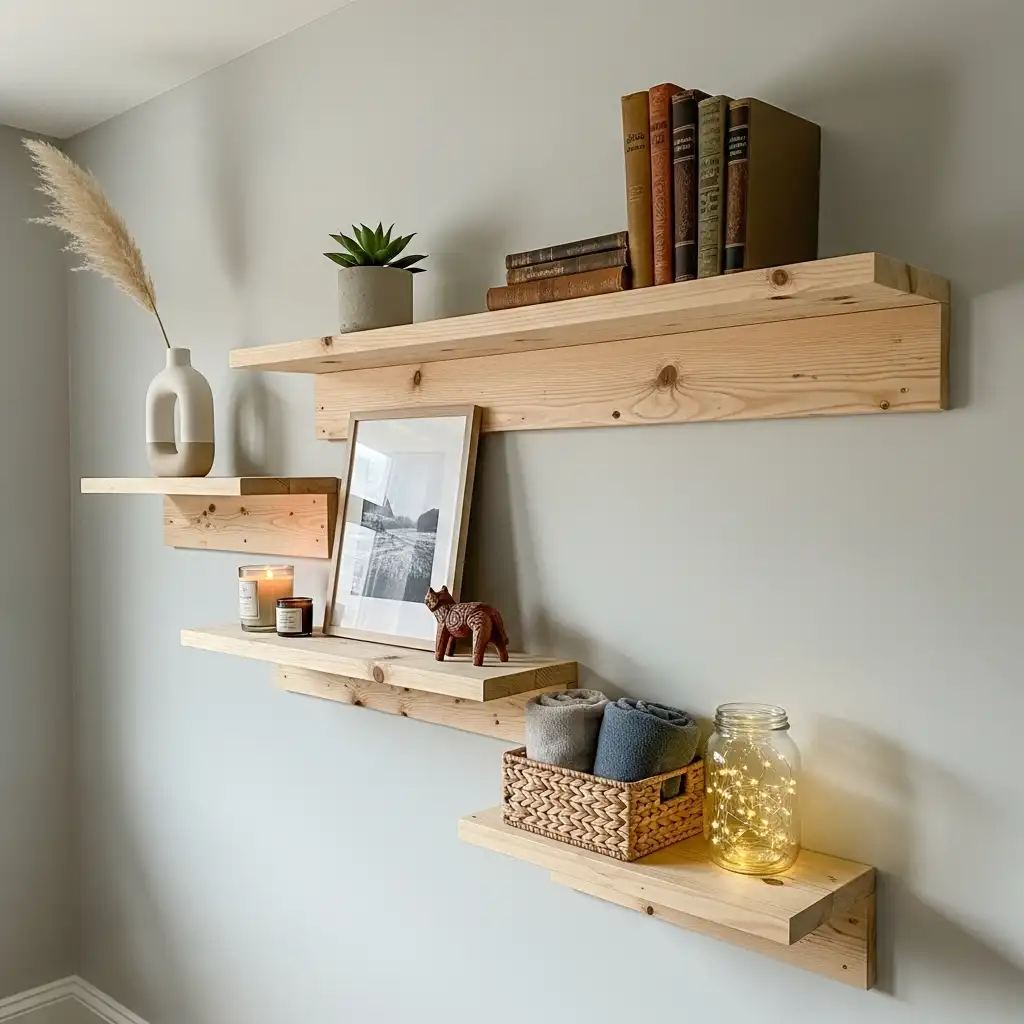
DIY shelving is an easy, low-budget way to add functional storage and display space. Simple wooden planks or floating shelves offer plenty of room for books, plants, and decor. They free up floor space and keep everything organized without expensive furniture.
Painting or staining the shelves to match your living room gives them a polished, cohesive look. This simple DIY project allows you to customize your layout and make the most of empty walls. It’s a stylish and practical way to stretch your budget.
16. Add Cozy Textures for Affordable Warmth
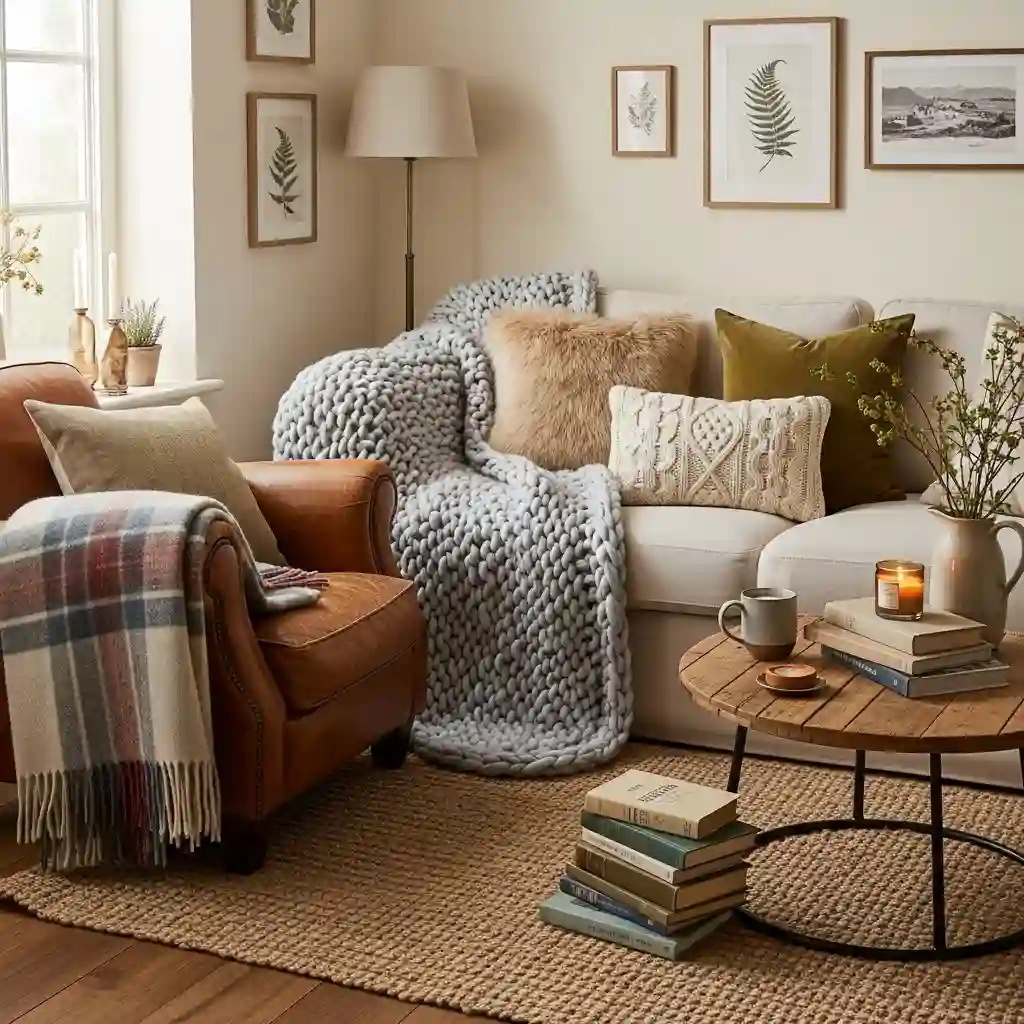
Soft textures make your living room feel warm and inviting without needing costly furniture upgrades. Throw blankets, textured cushions, and soft rugs bring depth and comfort to tight spaces. These items are affordable and easy to switch out seasonally.
Choosing warm neutrals and natural fabrics keeps your decor timeless and cozy. Layering textiles adds visual interest without crowding the room. This simple method helps transform small spaces into relaxed, soothing environments on a minimal budget.
17. Use Compact Coffee Tables for Better Movement
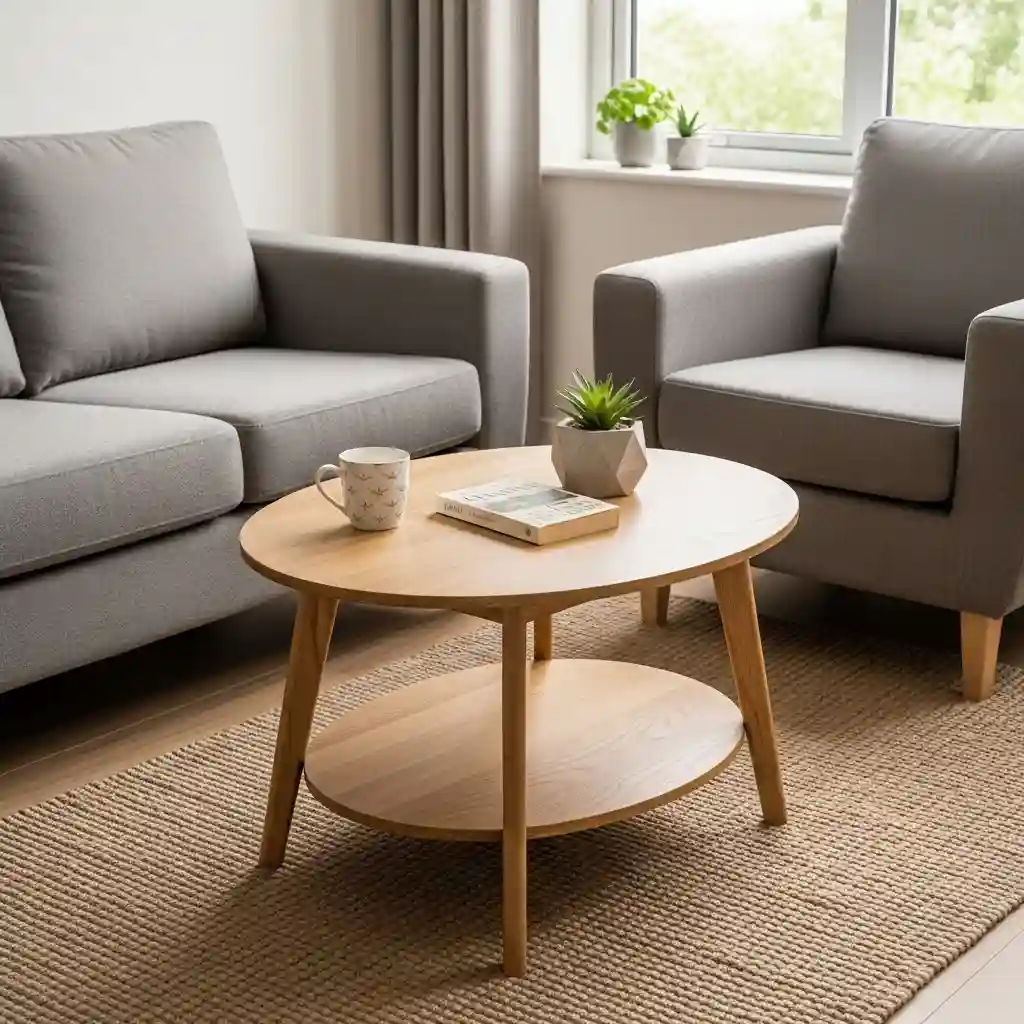
Large coffee tables can overwhelm small living rooms, reducing flow and limiting comfort. Compact tables, nests, or even ottomans offer flexibility without taking up valuable space. These smaller pieces still provide functionality while keeping the layout light and open.
Pairing compact tables with slim seating creates a more balanced arrangement. Their smaller footprint ensures your living area feels spacious and easy to navigate. This is a simple, budget-friendly way to improve comfort and visual openness.
18. Try Open Shelving Instead of Closed Cabinets
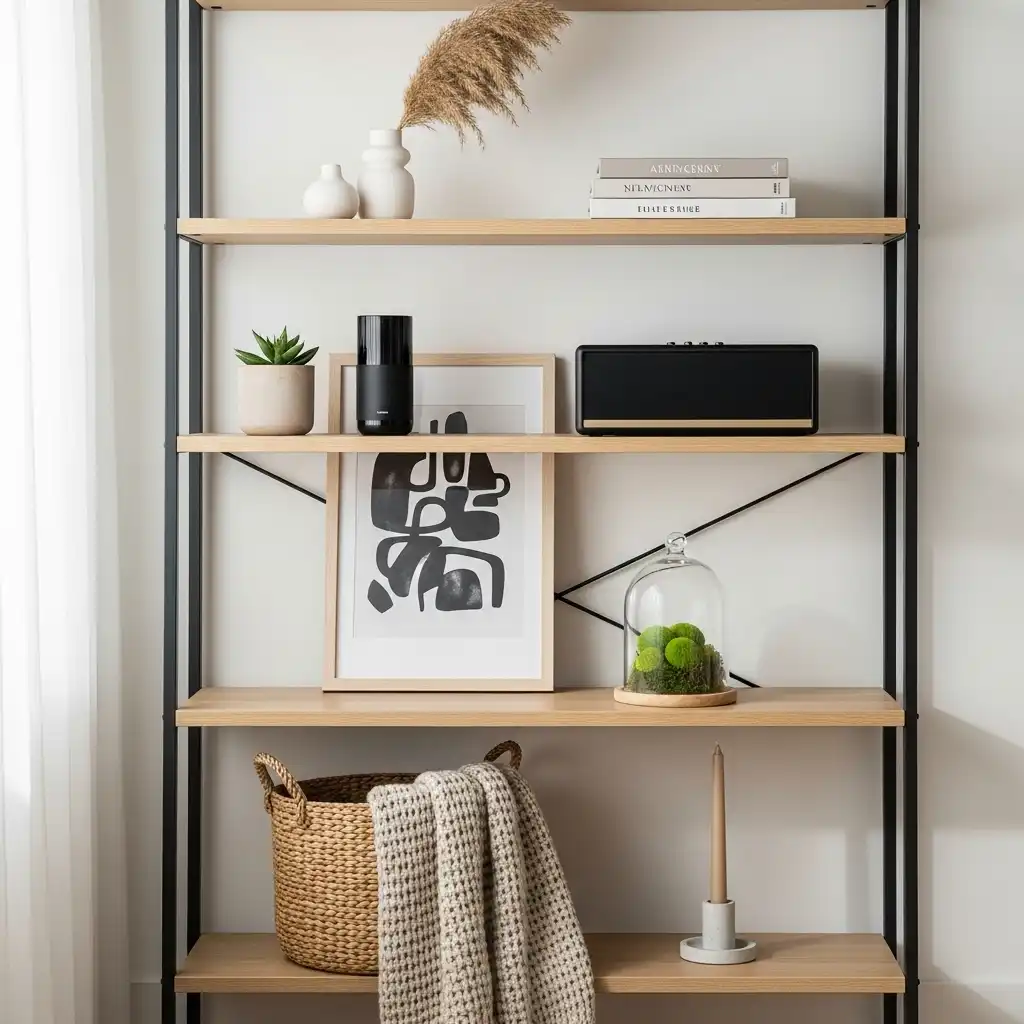
Open shelving feels lighter and more modern than bulky cabinets, especially in small spaces. It offers display opportunities for your favorite decor while keeping the room visually spacious. This budget-friendly alternative adds both function and style.
Keeping items minimal and well-arranged prevents clutter and maintains a clean aesthetic. Open shelving works beautifully with neutral palettes, adding depth and charm. It’s an easy way to maximize every inch while keeping your home airy and organized.
19. Use Neutral Wall Art for a Balanced Look
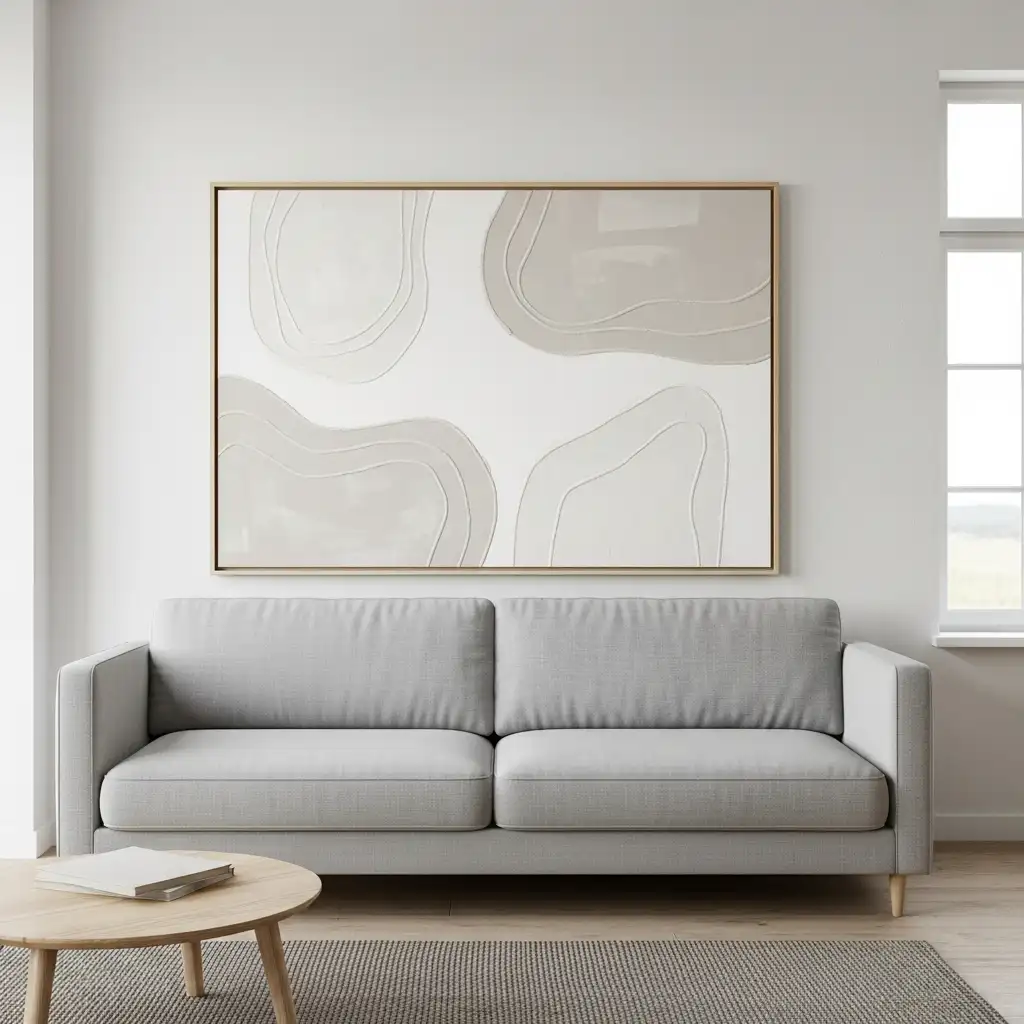
Neutral wall art adds personality without overwhelming small living spaces. Soft-toned prints or minimalist frames keep your walls interesting while maintaining a calm atmosphere. These pieces blend well with nearly any color palette.
Placing art strategically above sofas or shelves creates balance and structure. Neutral artwork helps anchor your layout and adds a subtle sense of style. This affordable decor option keeps your space elegant, cohesive, and visually open.
20. Add a Simple Accent Chair for Flexible Seating
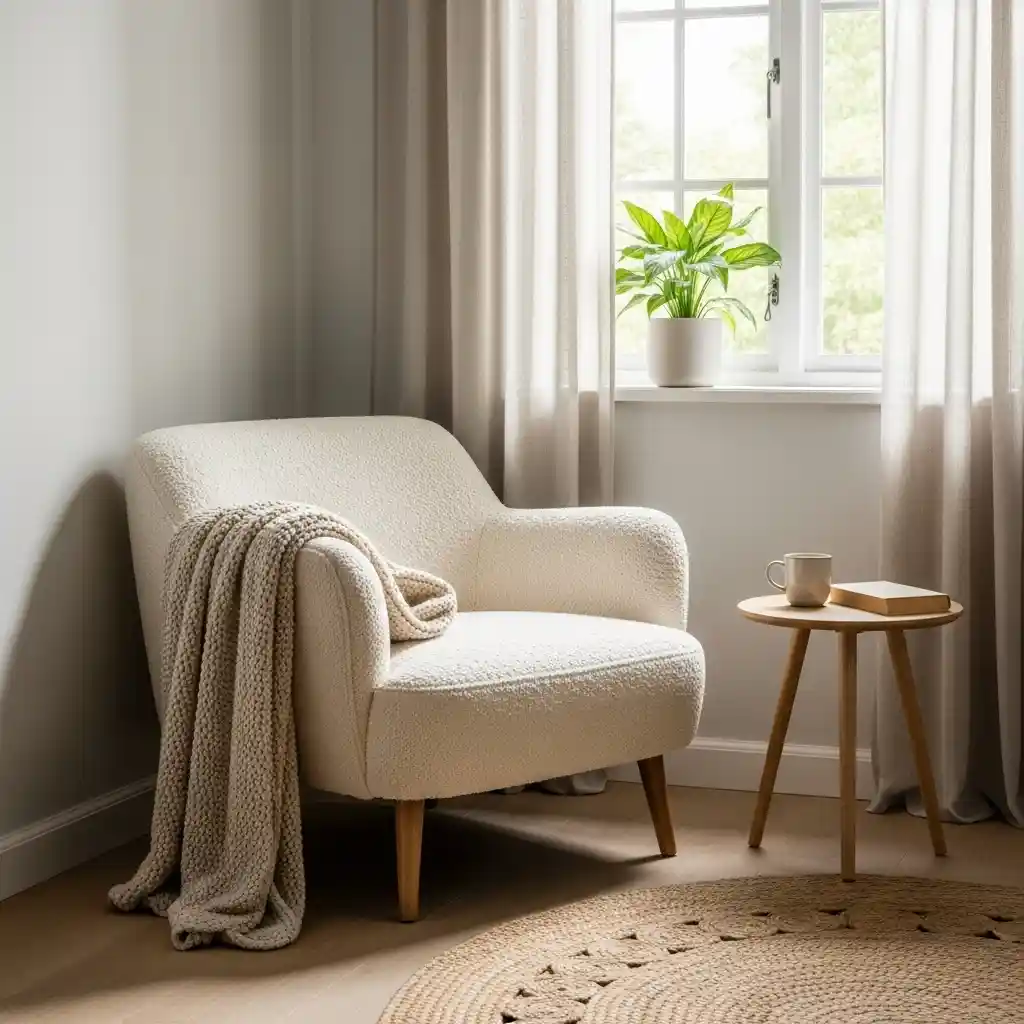
A compact accent chair offers extra seating without crowding the room. Choosing a lightweight design keeps the layout open and airy. Soft fabrics and warm colors ensure the chair blends with your decor rather than becoming a bulky focal point.
Placing the chair near a window or corner helps maximize space while enhancing functionality. This low-budget piece adds comfort and versatility to tight living areas. It’s a practical way to elevate your room without overspending.
21. Use Slim TV Consoles to Save Floor Space
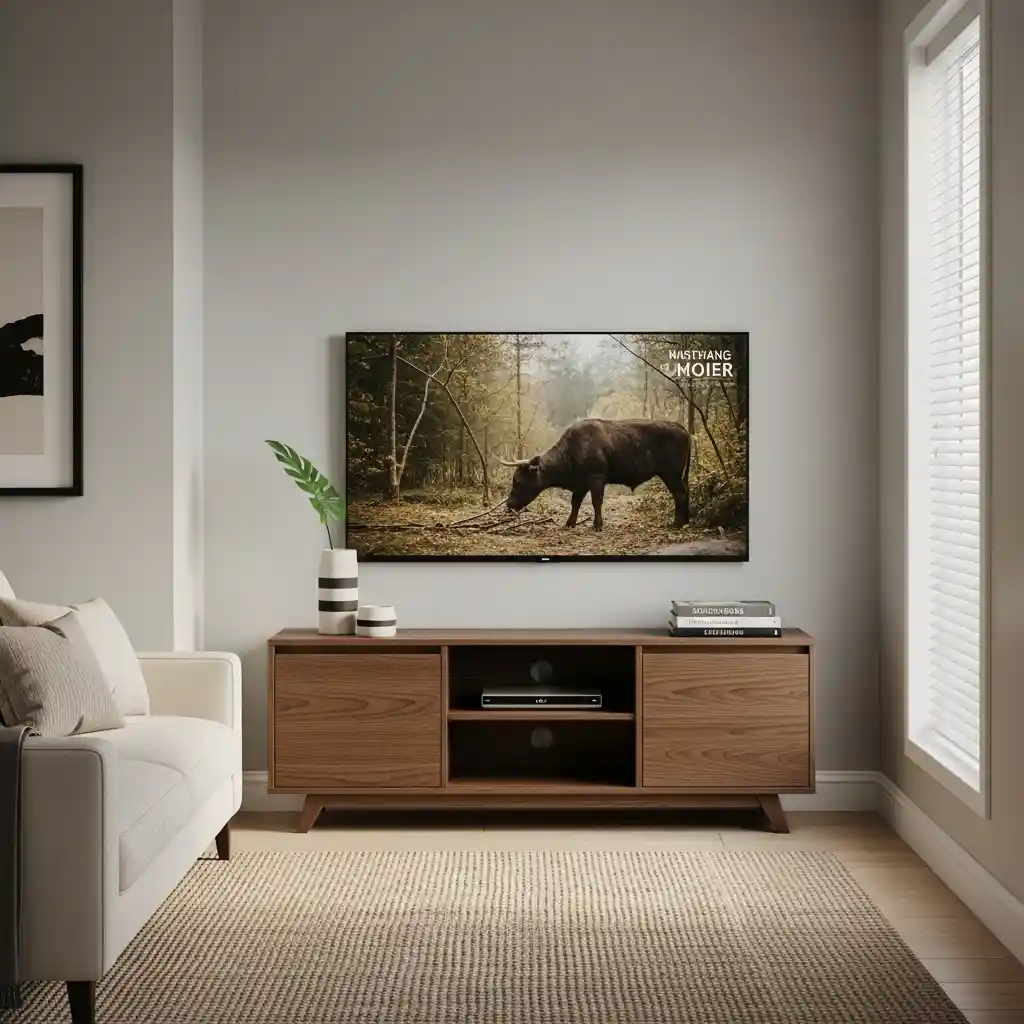
Oversized TV stands can crowd small spaces, making the room feel tight and cluttered. Slim consoles offer storage while keeping the layout streamlined. Their narrow shape creates more walking space and enhances visual openness.
Pairing these consoles with minimal decor maintains a clean and calm aesthetic. This setup allows your TV area to blend seamlessly with the rest of the room. Slim, affordable consoles are perfect for maximizing every inch on a tight budget.
22. Rearrange Furniture to Create Better Flow
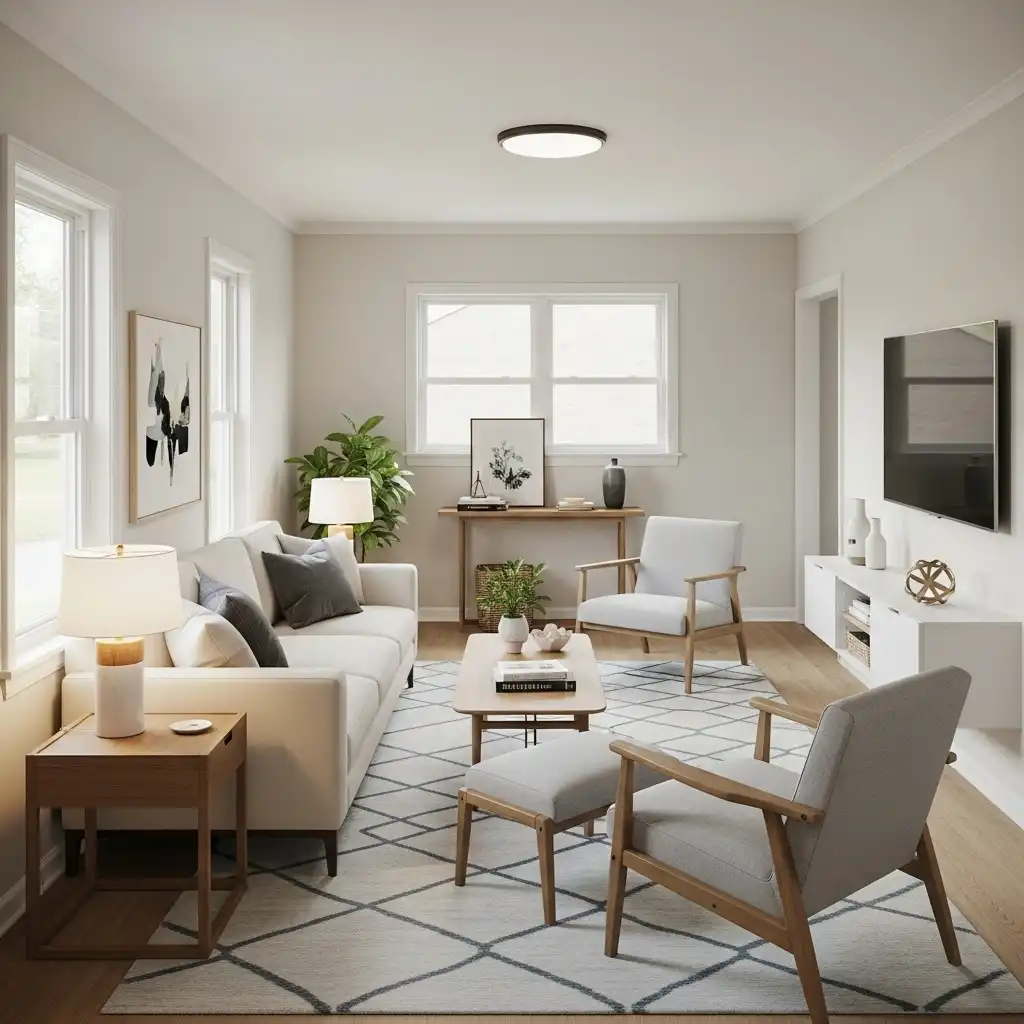
Sometimes the most effective change costs nothing—simply rearranging your furniture can dramatically improve the room’s layout. Moving pieces to create clear pathways makes your living room feel bigger and more functional. This approach allows natural light to flow more evenly around the space.
Pairing rearranged layouts with minimal decor brings even more balance. Adjusting the angle of your sofa or shifting a chair can make the entire room feel refreshed. This cost-free technique is one of the easiest ways to maximize every inch without buying anything new.
Conclusion
Maximizing a small living room doesn’t require a large budget—just thoughtful choices that make every inch count. From using light colors and slim furniture to adding vertical storage and soft lighting, small updates can completely transform a compact space. These ideas focus on simple changes that enhance comfort, flow, and style without overwhelming your home. By embracing minimal decor, flexible furniture, and cozy textures, you can create a living area that feels open, welcoming, and intentionally designed. Each strategy is affordable, practical, and perfect for homes that need more function without sacrificing beauty. With these low-budget ideas, your living room becomes a space that feels bigger, brighter, and thoughtfully crafted.
FAQs
1. What is the cheapest way to make a small living room feel larger?
Using light colors, decluttering, and adding mirrors are the most affordable ways to create a more open and airy feel.
2. How do I add style to my living room on a tight budget?
Focus on textures, plants, affordable lighting, and DIY shelving. These small touches bring charm without high costs.
3. What furniture works best in small living rooms?
Slim sofas, compact coffee tables, and multi-functional pieces help maximize space without overcrowding.
4. How can I make my living room feel cozy without cluttering it?
Use soft textures, warm lighting, and minimal accessories. This keeps the atmosphere cozy and clean.
5. Do rugs help small living rooms look bigger?
Yes, a properly sized area rug can anchor your furniture and make the room feel more defined and spacious.