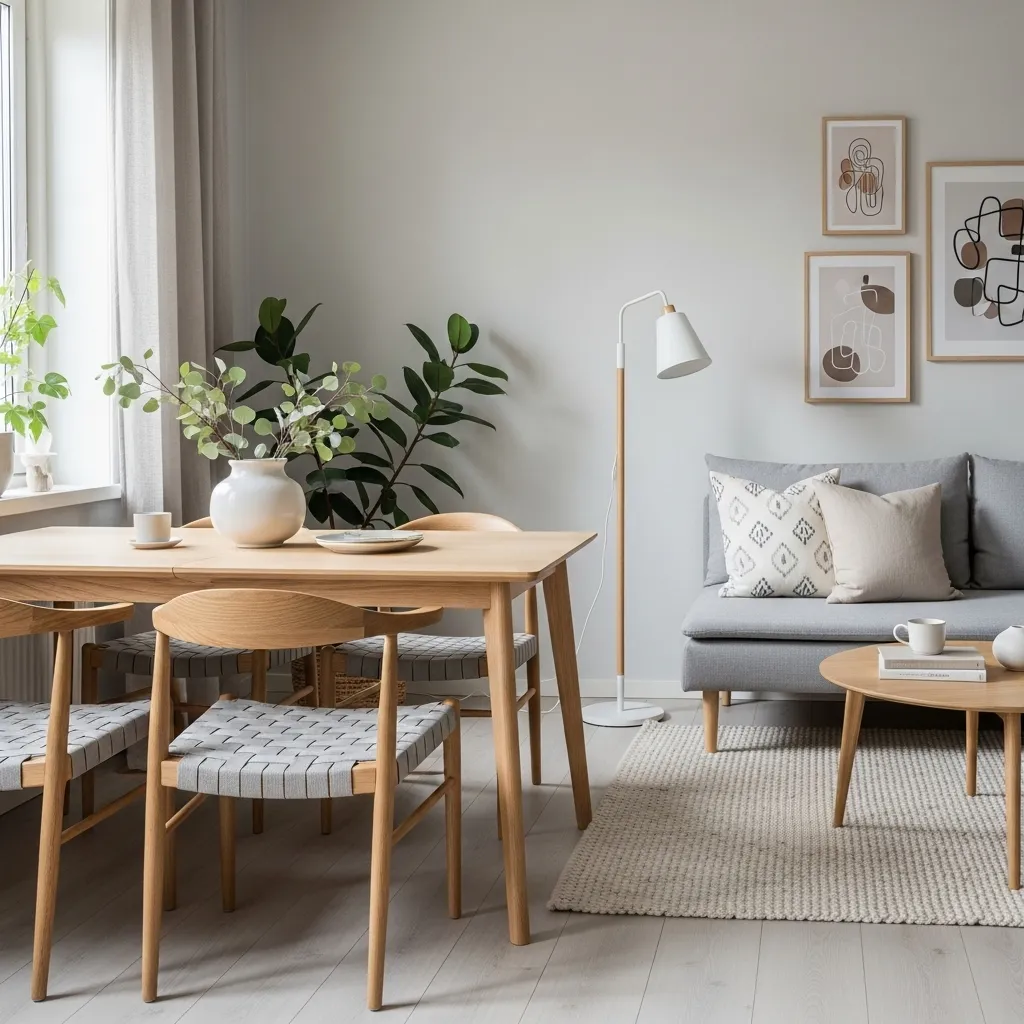
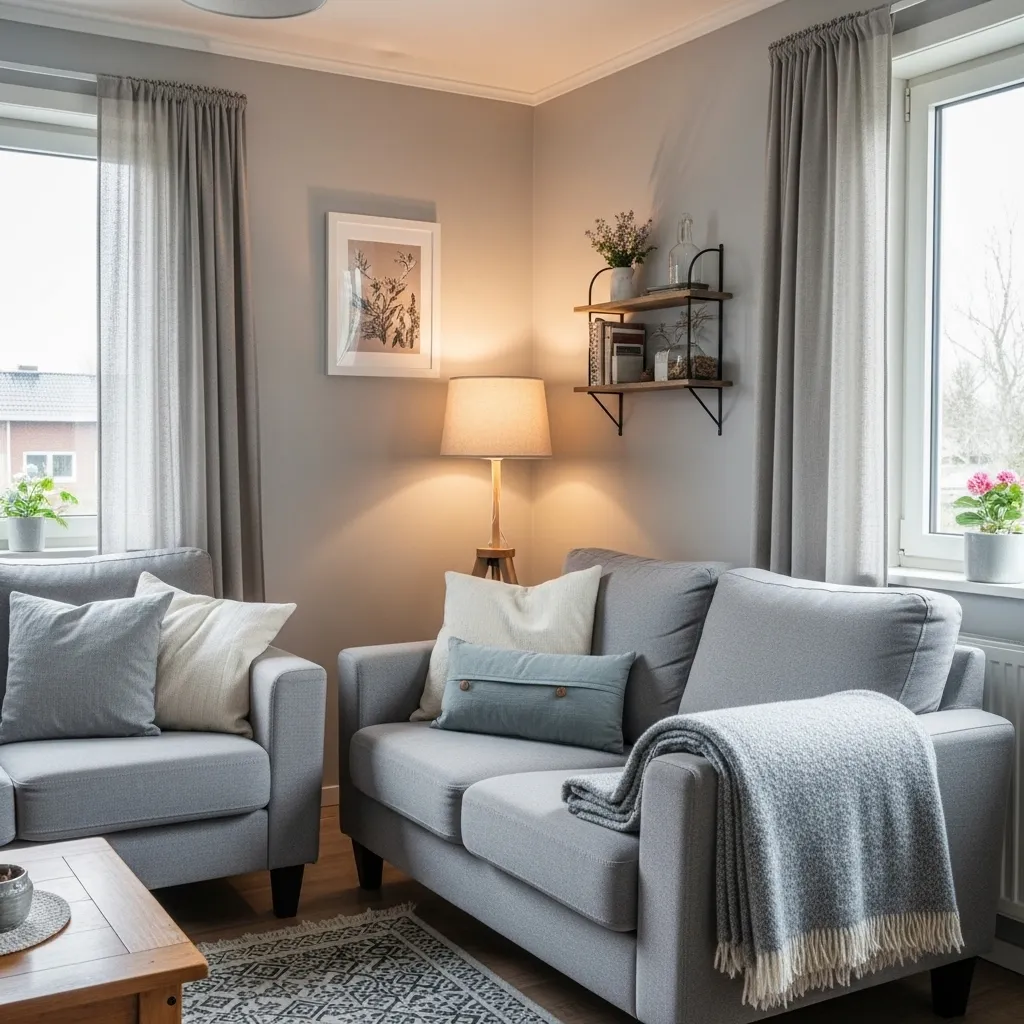
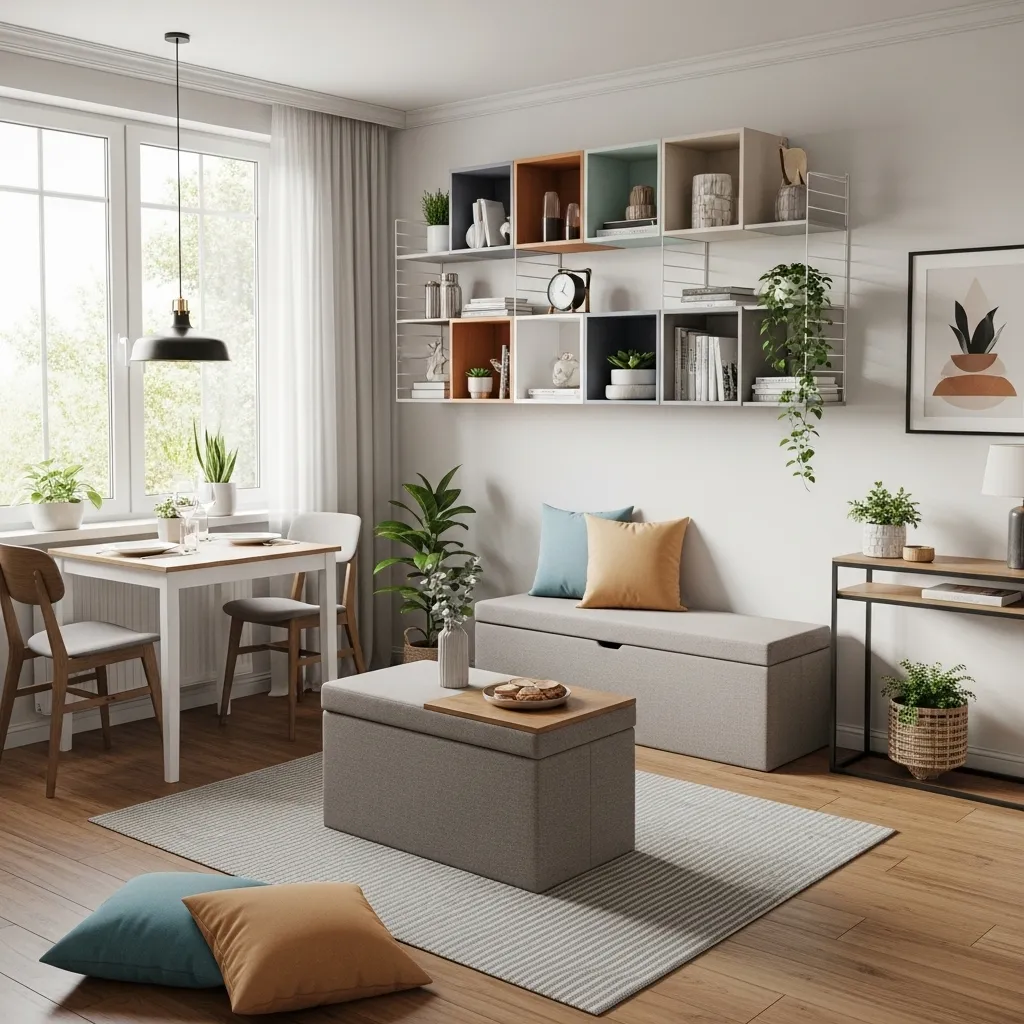
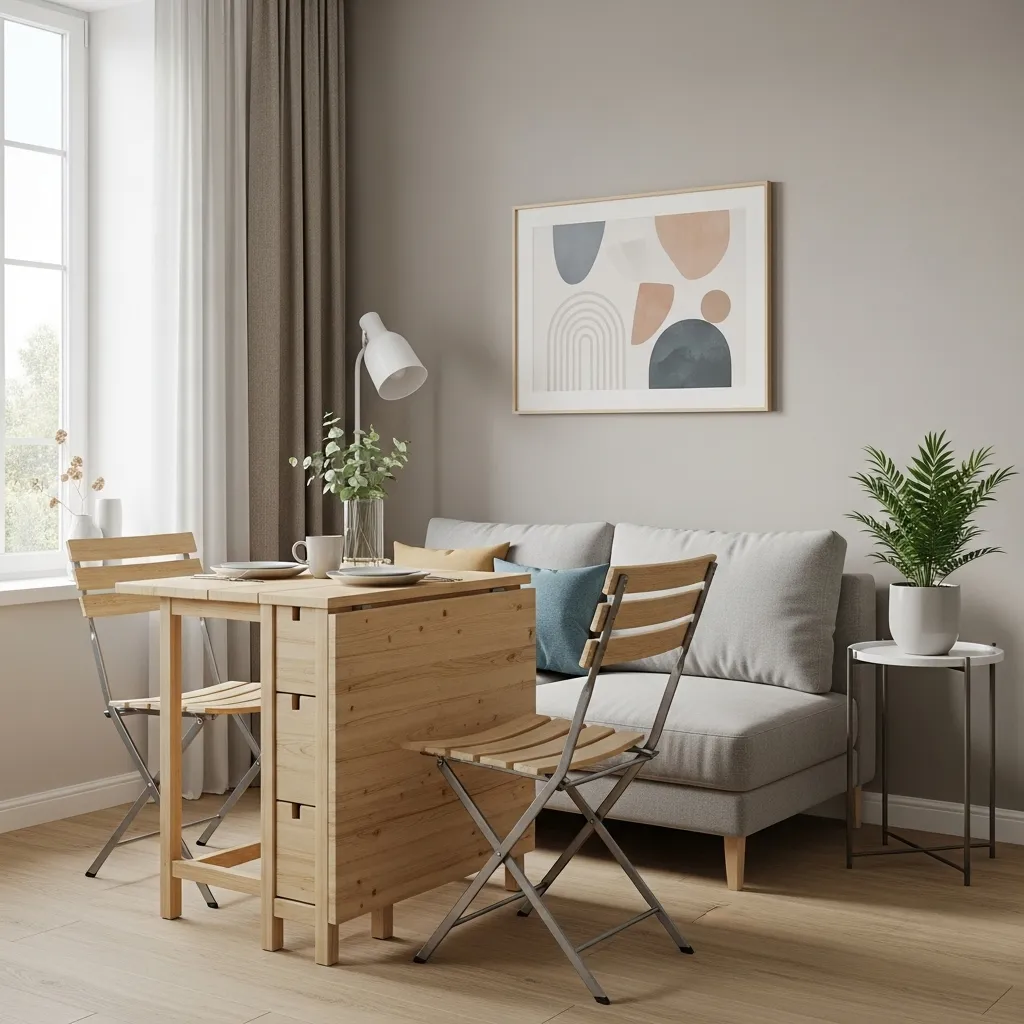
The diagonal flow layout instantly makes a compact space feel more open and artistic. By placing your sofa at a gentle angle, the room gains movement and frees up a natural walkway between the living and dining zones. This approach works beautifully in small apartments because it avoids strict boxy arrangements and creates a softer, more welcoming look. Layer the space with a textured rug, warm-toned pillows, and tiny handmade décor pieces for a Pinterest-worthy feel.
This layout also helps you highlight key features, such as a window or a gallery wall. When the furniture isn’t pressed stiffly against the walls, the room feels more breathable and generous. A small round dining table fits perfectly along the opposite diagonal, making the zone feel intentional yet airy. DIY lovers can enhance the setup with handcrafted centerpieces, recycled wood trays, or woven baskets to keep the cozy flow uninterrupted.
2. Sofa-Back Dining Table Setup
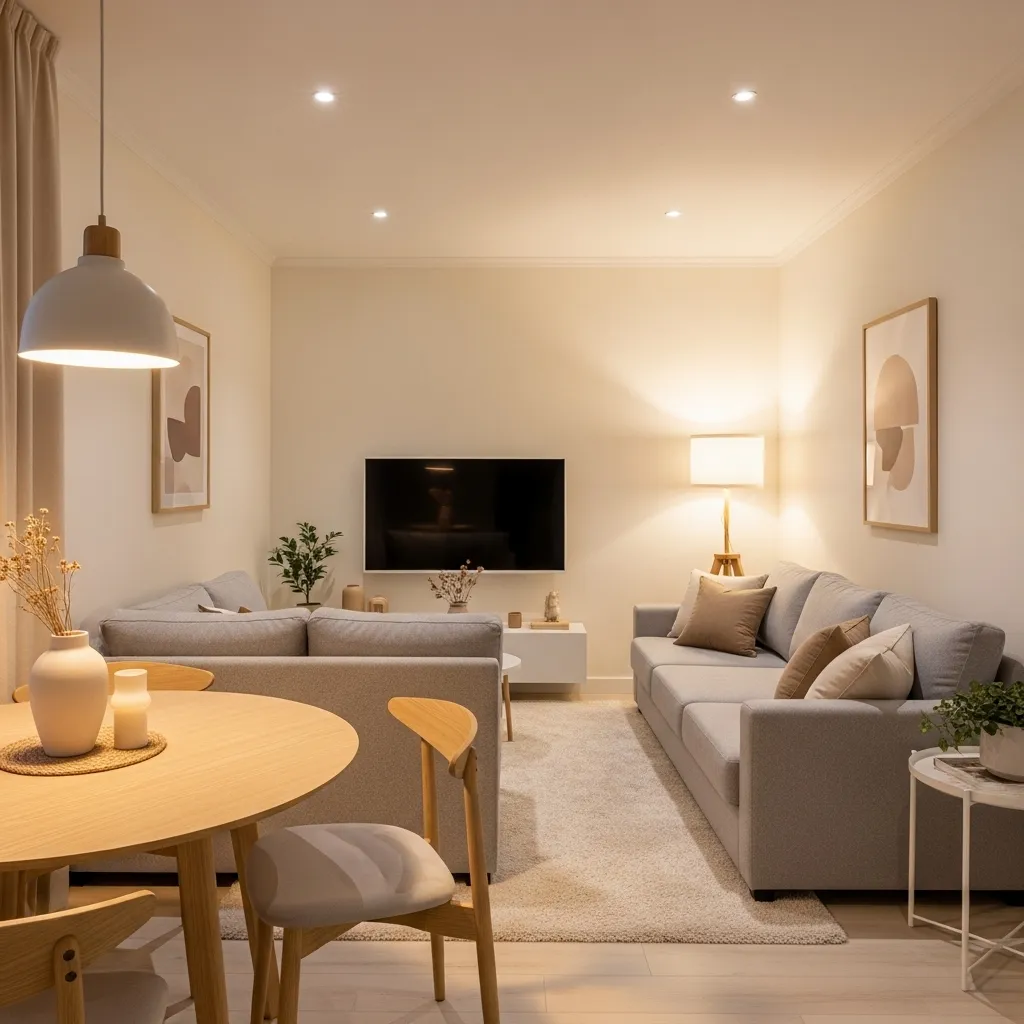
Placing the dining table directly behind the sofa is one of the smartest tricks for compact spaces. It visually separates the two zones without adding walls, making your room feel bigger while staying functional. A slim rectangular table or a handcrafted console-style dining piece works wonderfully here. You can style it with handmade centerpieces, tiny DIY candles, or soft linen runners to bring warmth and Pinterest charm.
What makes this layout shine is its natural sense of connection. The transition between lounging and eating feels smooth, cozy, and practical—perfect for small apartments or studio homes. Add soft pendant lighting above the table to anchor the dining zone without overwhelming the living area. Keep décor light and airy, using seasonal home decor and simple craft ideas to maintain a calm, balanced flow throughout the space.
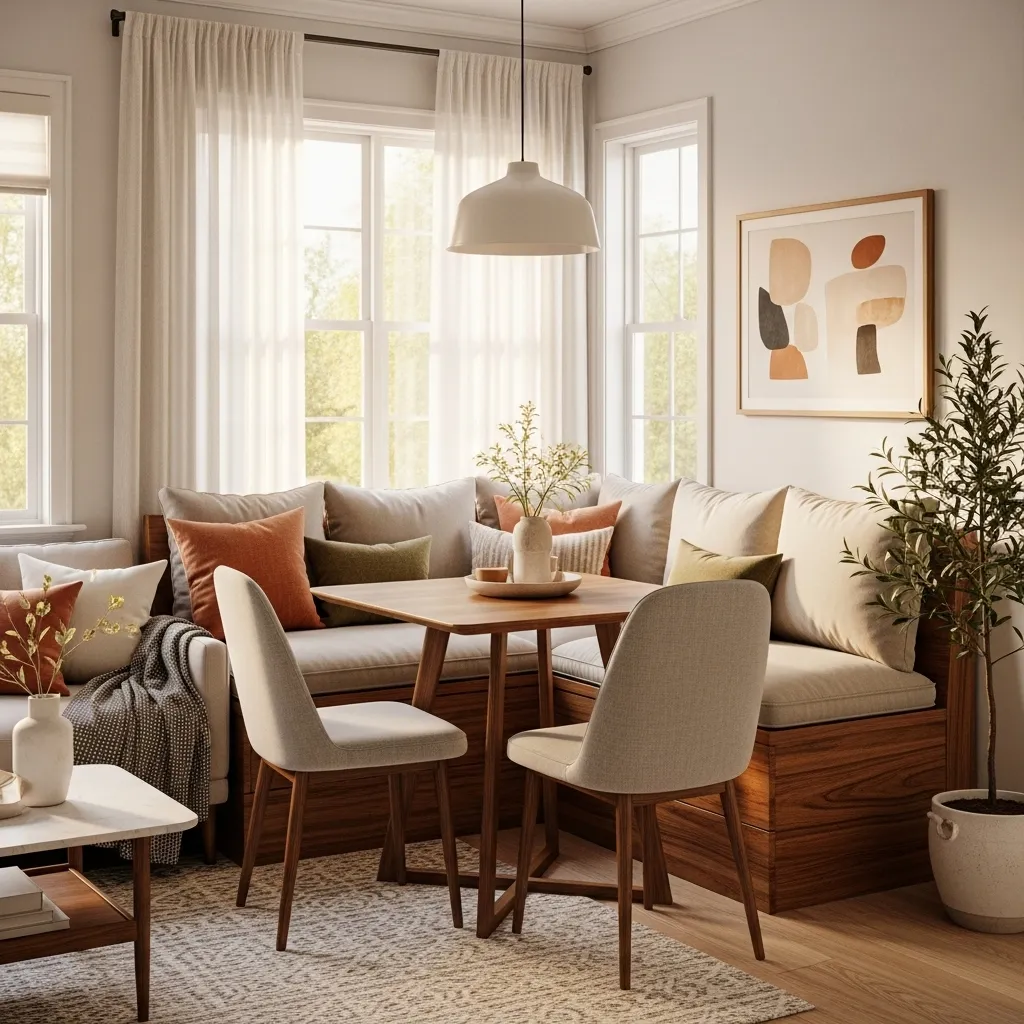
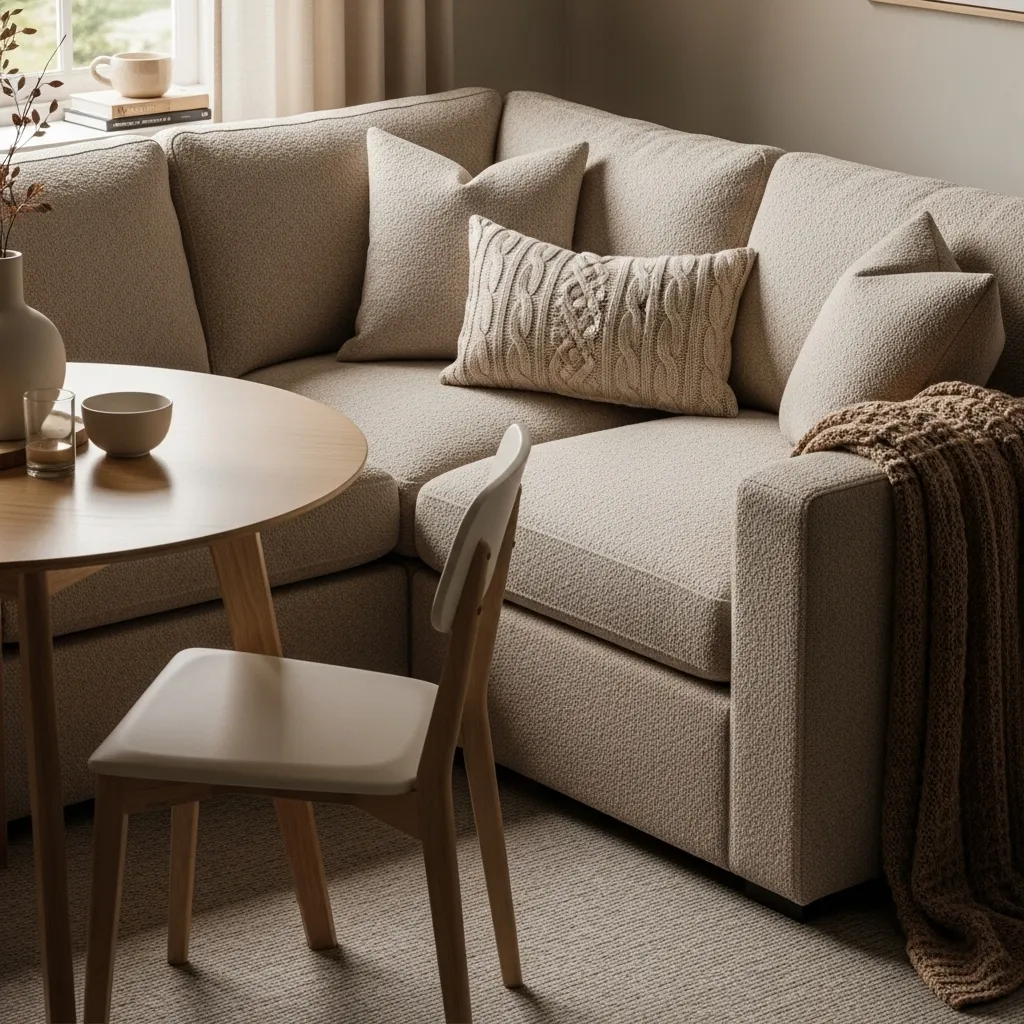
A corner banquette is a game-changer for tiny living–dining combos because it uses every inch without crowding the space. Add cushioned benches along two walls, forming a cozy nook perfect for meals or coffee moments. Soft pillows, warm fabrics, and handmade decor instantly infuse comfort. This layout also opens up the center of the room, making movement easy and keeping the visual flow clean and light.
Pair the banquette with a round or oval table to enhance legroom and reduce clutter. This setup doubles as an extra lounging space when guests arrive. DIY enthusiasts can personalize the banquette with custom upholstery, reclaimed wood seats, or seasonal pillow covers. It’s a dreamy Pinterest-style arrangement that blends charm, functionality, and maximum seating in a small footprint.
Instead of pushing everything against the walls, try floating your furniture to create natural zones. A sofa placed slightly forward from the wall forms an invisible boundary for the living area, while the space behind it becomes the dining nook. This technique makes small rooms feel intentional and well-planned rather than cramped. Keep the palette soft and cohesive so the design looks seamless.
Floating layouts invite creativity with décor. Use DIY side tables, woven baskets, and handmade trays to accentuate each area. The open floor around the furniture keeps the room feeling spacious and breathable. Add a plush rug to anchor the living zone, while a statement pendant over the dining table highlights the second area. This method gives small spaces a modern yet cozy Pinterest-inspired makeover.
A slim dining table against the wall is perfect for narrow combined rooms. It preserves floor space while offering a dedicated dining area that never feels intrusive. Choose a light wood or white table to keep the look fresh and airy. Add wall sconces or a framed art set above to bring charm and warmth without using any floor space—ideal for apartment living.
This layout works beautifully when paired with a small loveseat or compact sofa. Keeping everything streamlined ensures movement stays comfortable and the room remains visually calm. DIY fans can decorate the table with handmade vases, seasonal crafts, or a fabric runner to elevate the space. It’s a simple yet incredibly effective layout that blends practicality with Pinterest-worthy beauty.
Using an L-shaped arrangement divides your living and dining zones naturally. Position your sofa along one wall and let the adjacent wall host your dining table. This creates a subtle “corner” effect that separates activities without adding partitions. Soft fabrics, textured cushions, and small handmade home decor elements make this layout feel warm and inviting.
The L-shape also encourages an open walkway, making the room feel bigger than it is. You can add seasonal décor—like cozy throws in winter or light linen in summer—to shift the mood whenever you like. DIY wall art or framed craft ideas can further highlight the individual zones while keeping the entire room visually cohesive and charming.
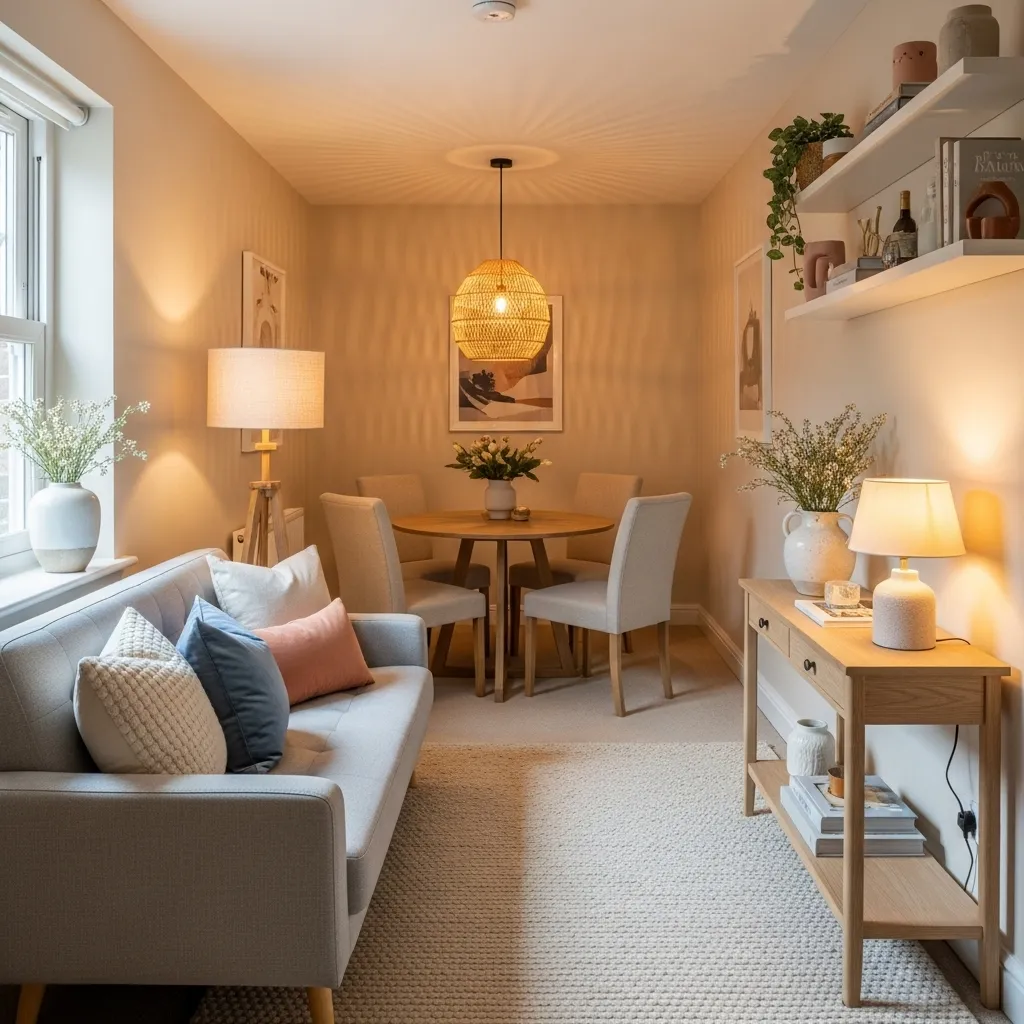
A one-wall dining setup is an excellent choice for long, narrow spaces. Align the table, chairs, and décor neatly along a single wall, allowing the rest of the room to breathe freely. Floating shelves above the dining strip add storage and style without taking up floor space. Use warm lighting and handcrafted details to maintain a cozy home decor vibe.
This arrangement complements a compact living area perfectly. With the dining elements organized in a tidy row, the living zone stays open and flexible. DIY lovers can decorate the shelves with handmade ornaments, unique pottery, and seasonal crafts to change the feel throughout the year. It creates a harmonious, streamlined look ideal for small homes.
If your living–dining room connects to a small kitchen, placing the dining table in the center can act like a mini island. It becomes both a prep space and a cozy dining spot. This layout brings the entire room together, making it feel like a multifunctional yet warm gathering zone. Add soft linens, handmade coasters, and DIY centerpieces to keep the table the focal point.
The center placement helps balance the overall layout, especially in square-shaped rooms. The living area can hug one side while the kitchen flows on the other, creating a natural triangle of movement. Use soft lighting—like pendant lamps or warm fairy lights—to highlight the table. The result is a welcoming, Pinterest-style space with layers of charm and practicality.
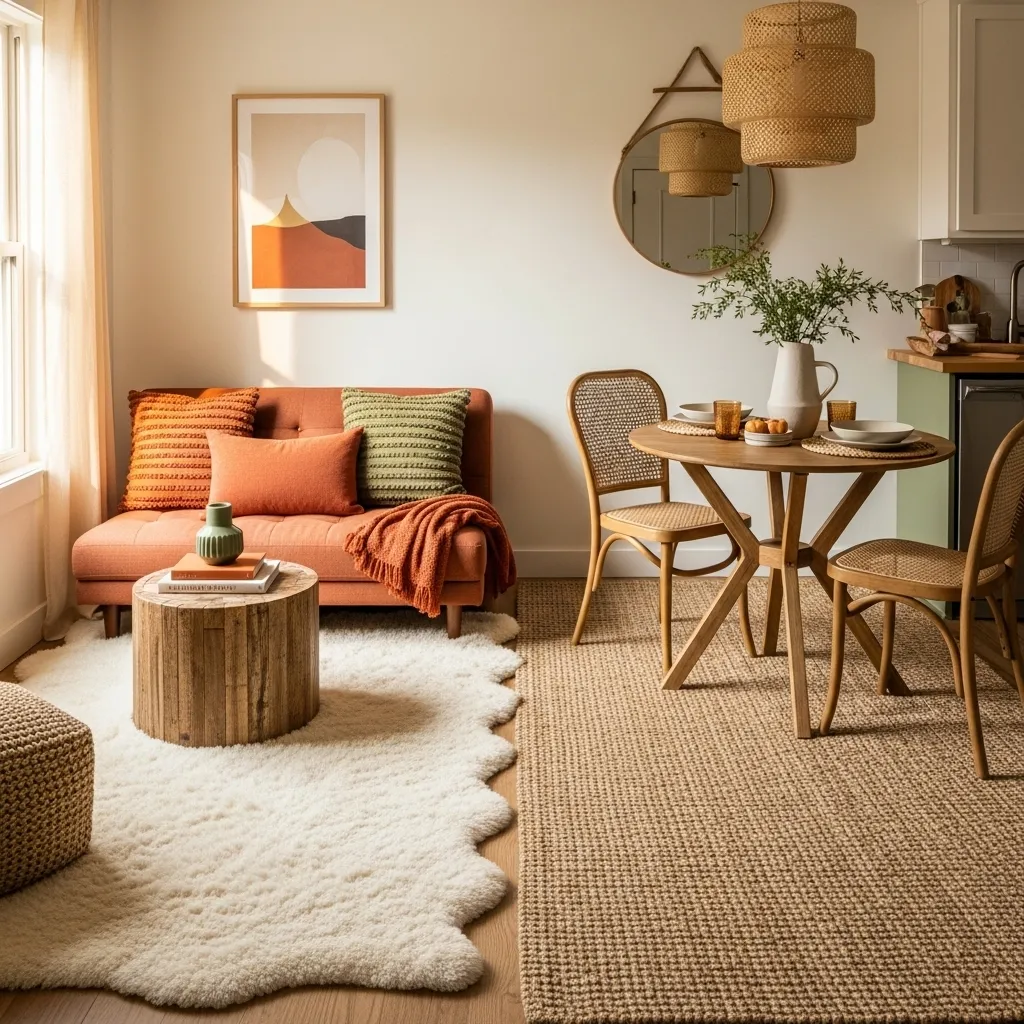
Two rugs instantly define separate zones in a small living–dining room without adding clutter. Choose one plush rug for the living area and a flat, woven rug for the dining zone to create a visual contrast. Each rug anchors its respective space, helping them feel distinct yet connected. Add small DIY decorations and handmade accents to enhance the cozy atmosphere.
This method works beautifully when you want to keep everything open but still feel organized. The rugs guide the room’s traffic flow and prevent furniture from looking randomly placed. Neutral tones or soft earthy textures help maintain harmony, while seasonal decor—like autumn garlands or spring flowers—can warm up each corner. It’s a simple but powerful layout trick.
Positioning the dining area near a window creates a bright and uplifting corner that feels spacious no matter the room size. Natural light enhances the dining nook, making meals feel calmer and more pleasant. Soft curtains, handmade planters, and warm wood tones can elevate the charm, giving the corner that dreamy Pinterest look.
Meanwhile, the living area benefits because it stays cozy and slightly tucked away, creating two distinct moods in one small space. This layout keeps the room breathable and visually balanced. DIY lovers can decorate the window area with seasonal crafts, macramé hangings, or handmade candles to add personality and comfort throughout the year.
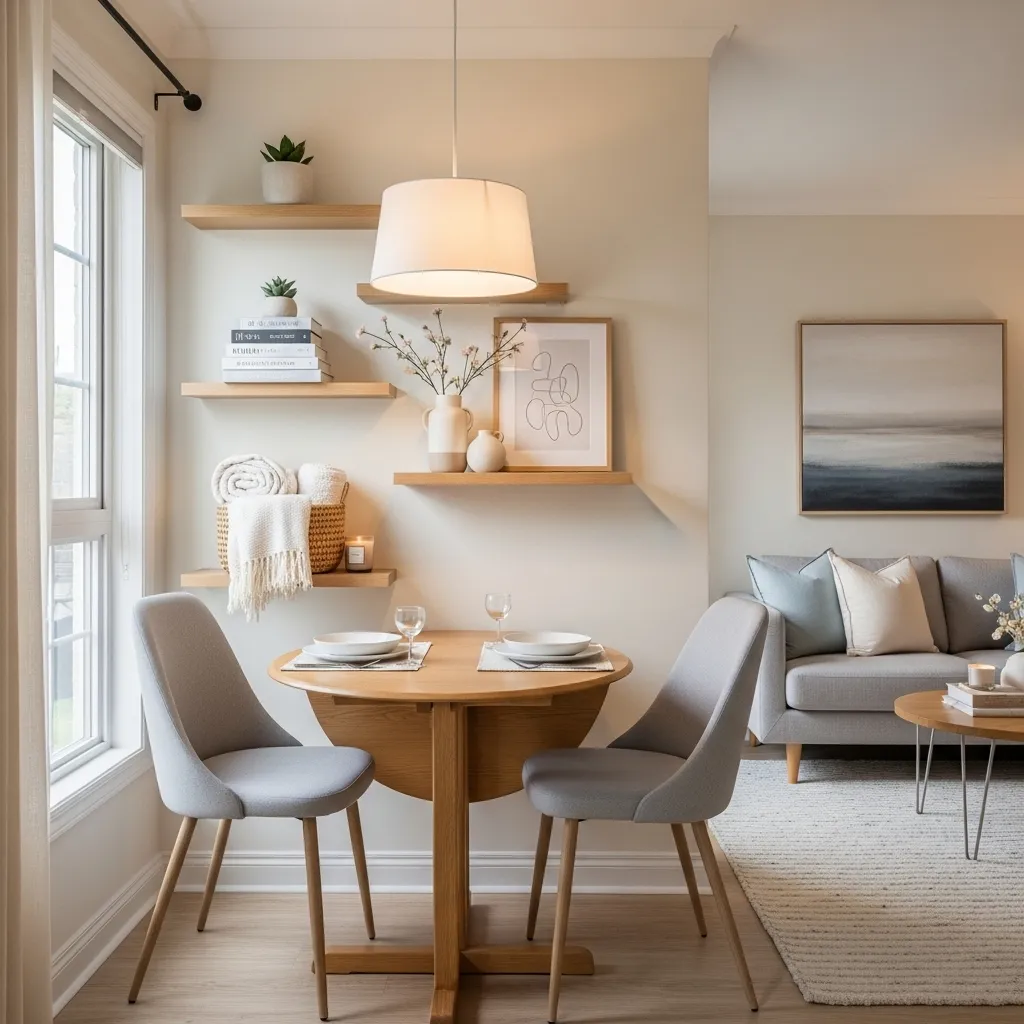
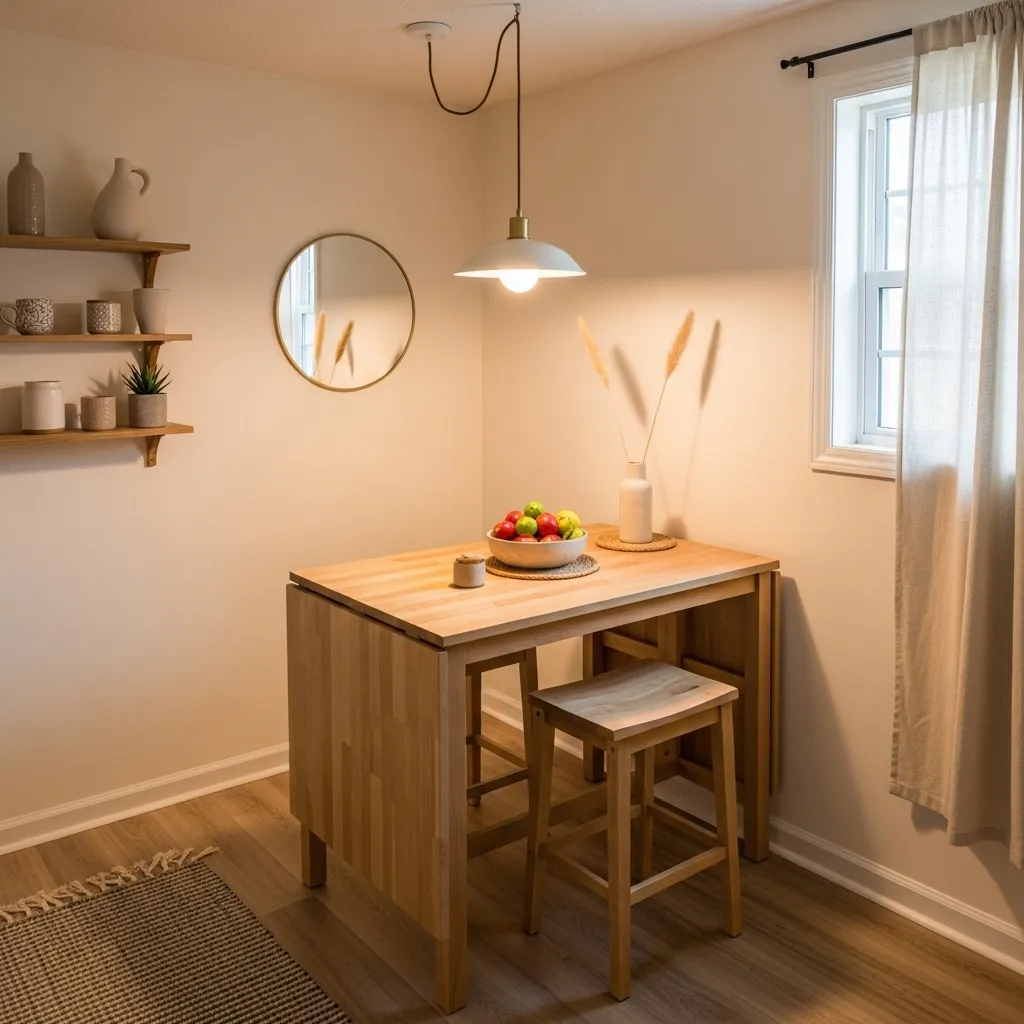
Foldable furniture makes tiny living–dining rooms incredibly flexible. A drop-leaf table can expand for meals and fold down afterward, preserving precious floor space. Lightweight chairs can hang on the wall or slide under the sofa table. This layout is ideal for people who want a neat, uncluttered look without sacrificing comfort. Add cozy throws, neutral tones, and soft textures to keep the space warm and welcoming.
The beauty of foldable furniture is how it adapts to your routine. Hosting guests? Expand the dining zone. Want extra space for crafts or DIY projects? Fold everything away. A soft area rug, handmade wall art, and warm pendant lighting will add personality and charm, making the space functional and Pinterest-perfect at any moment.
Using mirrors is a classic trick for making small rooms appear larger. Place a large mirror behind the dining table to reflect light and give the room a spacious, airy glow. Choose frames that complement your home decor—think natural wood, gold finishes, or handmade frames for a more personal touch.
This layout enhances both functionality and aesthetic appeal. The living area feels brighter, and the dining zone looks more open and inviting. DIY lovers can decorate the wall around the mirror with small handmade art pieces, adding warmth and charm. The overall effect is an uplifting, Pinterest-ready space that feels double its size.
For long, narrow rooms, a linear layout works best. Place the sofa against one long wall, the dining table against the opposite, and keep the center pathway clear. This arrangement maximizes mobility while keeping both zones visually cohesive. Neutral colors and soft fabrics add warmth, helping the room feel inviting rather than tunnel-like.
DIY décor—like wall hangings, floating shelves, or framed crafts—can help break the length of the room and add personality. The linear design also allows you to experiment with lighting, using pendant lamps for dining and cozy table lamps for the living space. The result is an organized yet charming setup perfect for small homes.
A round table is ideal for tiny living–dining combos because it eliminates sharp corners and keeps the space flowing smoothly. It creates a cozy, communal feel where conversations naturally circle around. Place it near the living zone, slightly offset to maintain movement. Add a warm rug underneath and stylish, comfortable chairs for a soft, inviting look.
This layout works beautifully with any décor style—from modern to cottagecore. The round shape also encourages layering with handmade decor, like DIY coasters, macramé runners, or seasonal centerpieces. The compact form saves space while still offering ample seating, making it a favorite for Pinterest-style rooms.
Integrating storage-friendly furniture is essential for small homes. Use a storage ottoman as a coffee table, a storage bench as dining seating, and open shelving to keep essentials organized. This layout ensures your space stays tidy, functional, and beautifully styled. Add warm lighting, cozy fabrics, and soft textures to soften the look and bring warmth.
This setup allows you to hide clutter, store seasonal decorations, and keep craft supplies close at hand. DIY enthusiasts can even create personalized storage boxes or labels to make the area feel charming and organized. The result is a stylish and functional living–dining combo perfect for modern small homes.
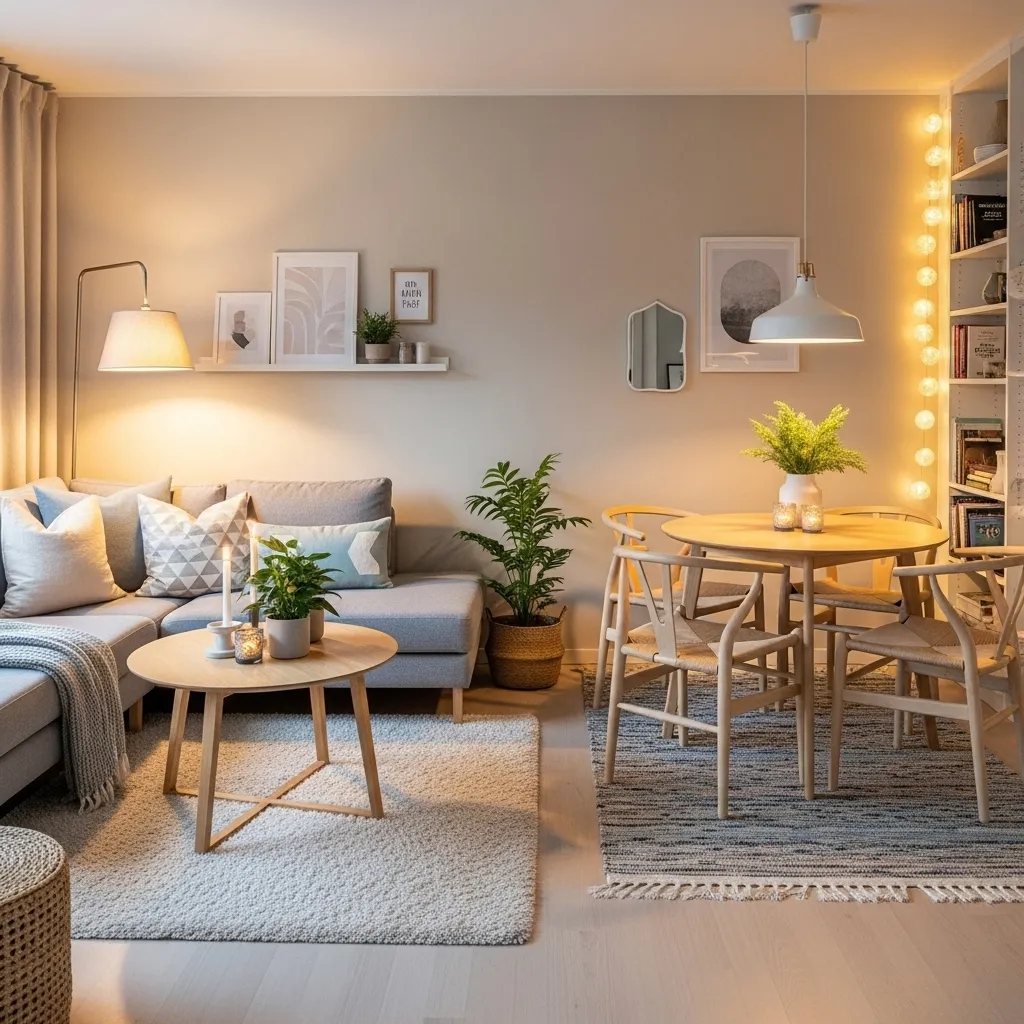
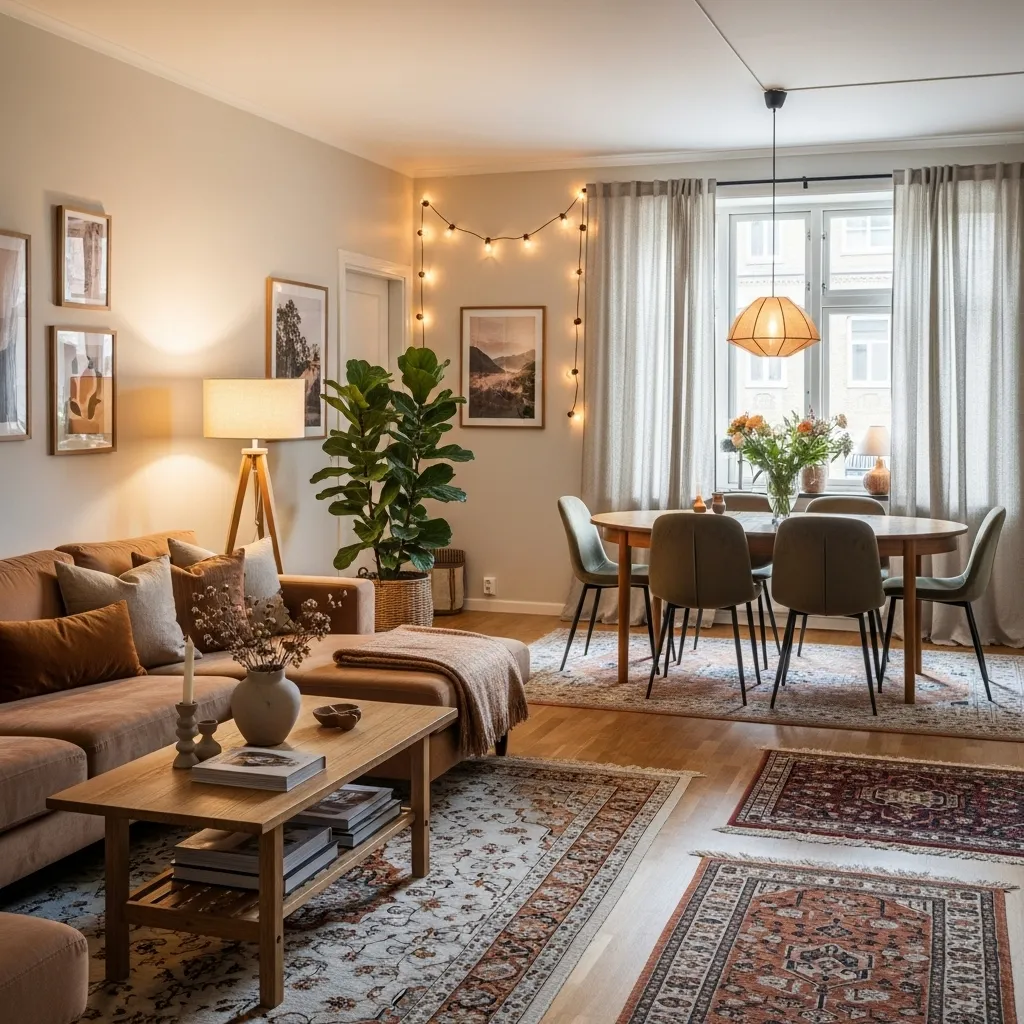
Scandinavian design is perfect for small spaces because it blends simplicity with warmth. Use light woods, neutral fabrics, and minimal decor to divide the living and dining zones naturally. The calm palette helps the room feel open and airy, while textures—like knitted throws and woven baskets—add cozy charm.
This layout invites plenty of handmade or DIY additions. You can layer the dining area with simple pottery, recycled wood decor, or seasonal crafts to keep the room feeling personal. The minimalist approach ensures nothing feels overcrowded, creating a relaxing, Pinterest-inspired environment.
A small sectional can act as a natural divider between the living and dining zones. Position the dining table on the open side of the sectional, using the sofa’s back to define the living space. This setup maximizes seating while keeping the layout tidy and organized. Soften it with cozy pillows, handmade throws, and a warm area rug.
The dining area can then shine on its own with a statement centerpiece, DIY candles, or seasonal decorations. This layout blends practicality with charm, giving small homes a modern yet warm Pinterest look. It’s especially helpful for families or anyone needing more seating in limited space.
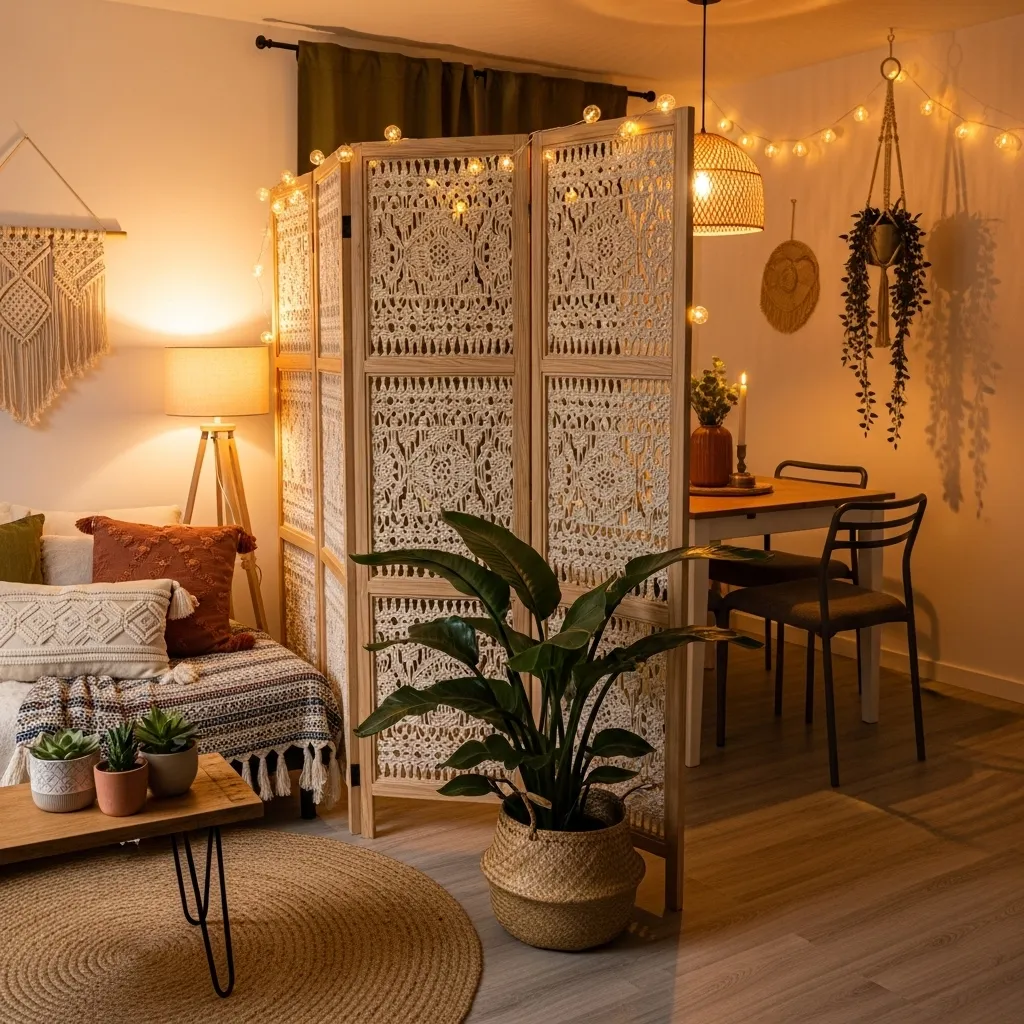
A folding screen divider adds personality and function to small living–dining rooms. Choose a bamboo, rattan, or fabric screen to bring texture and warmth. Place it between the two zones to subtly separate them without blocking natural light. This method allows flexibility—you can fold the screen away anytime the room needs to open up.
DIY lovers can personalize the divider with painted patterns, fabric panels, or seasonal decorations. The living area feels instantly cozier, while the dining zone gains intimacy and charm. It’s a flexible, Pinterest-inspired trick for small homes.
A stunning gallery wall above the sofa anchors the living space and naturally separates it from the dining zone. Use framed art, photos, or DIY crafts to create a cohesive cluster of pieces. This visual boundary keeps the layout organized while adding warmth and personality.
Choose colors and textures that complement the dining area so the room feels connected yet distinct. Handmade frames, macramé pieces, or seasonal prints can highlight your style. The dining zone then becomes a refreshing contrast—simple, clean, and open—making the entire room look curated and Pinterest-ready.
A bar-height dining table adds vertical interest and frees up space visually. Pair it with slim stools to keep the look clean. This layout works perfectly next to compact living zones, giving the room a modern, airy vibe. Add warm pendant lights above the bar to anchor the dining nook without overwhelming the small space.
The bar-style table can also double as a working or crafting surface—ideal for DIY lovers. Use handmade trays, candle holders, and craft-inspired decor to personalize the area. The lifted table height makes the space feel fresher and less cluttered, perfect for contemporary small homes.
Placing the living and dining areas in opposite corners creates a balanced, structured layout. Each space feels intentionally designed, even in a tiny room. Add soft lighting—like a floor lamp for the living zone and a pendant for the dining corner—to make each area feel special and cozy.
This layout works well with DIY decorations. Use handmade planters, crafted wall art, and soft textiles to bring charm and warmth to both corners. The separation enhances comfort and ensures the room never feels crowded or jumbled.
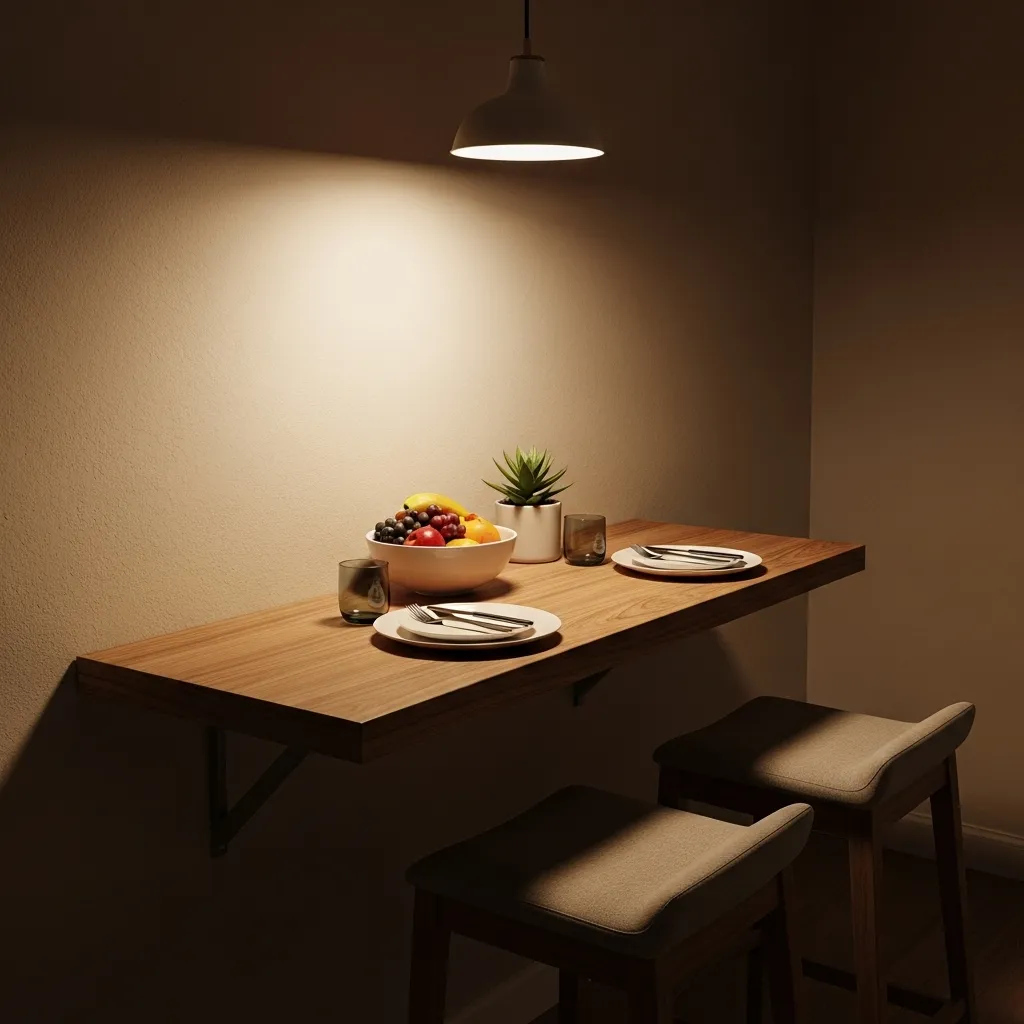
A floating shelf can double as a dining table in extremely small spaces. Install a sturdy, deep shelf at table height and tuck stools underneath when not in use. This saves valuable floor space while giving you a charming breakfast nook or compact dining spot. Style it with handmade ceramics or DIY herb jars.
Lighting plays a big role here—add warm sconces or fairy lights to make the nook feel intentional. The living area stays open and inviting, while the shelf dining area feels practical and cozy. It’s a modern, Pinterest-friendly solution for tiny homes.
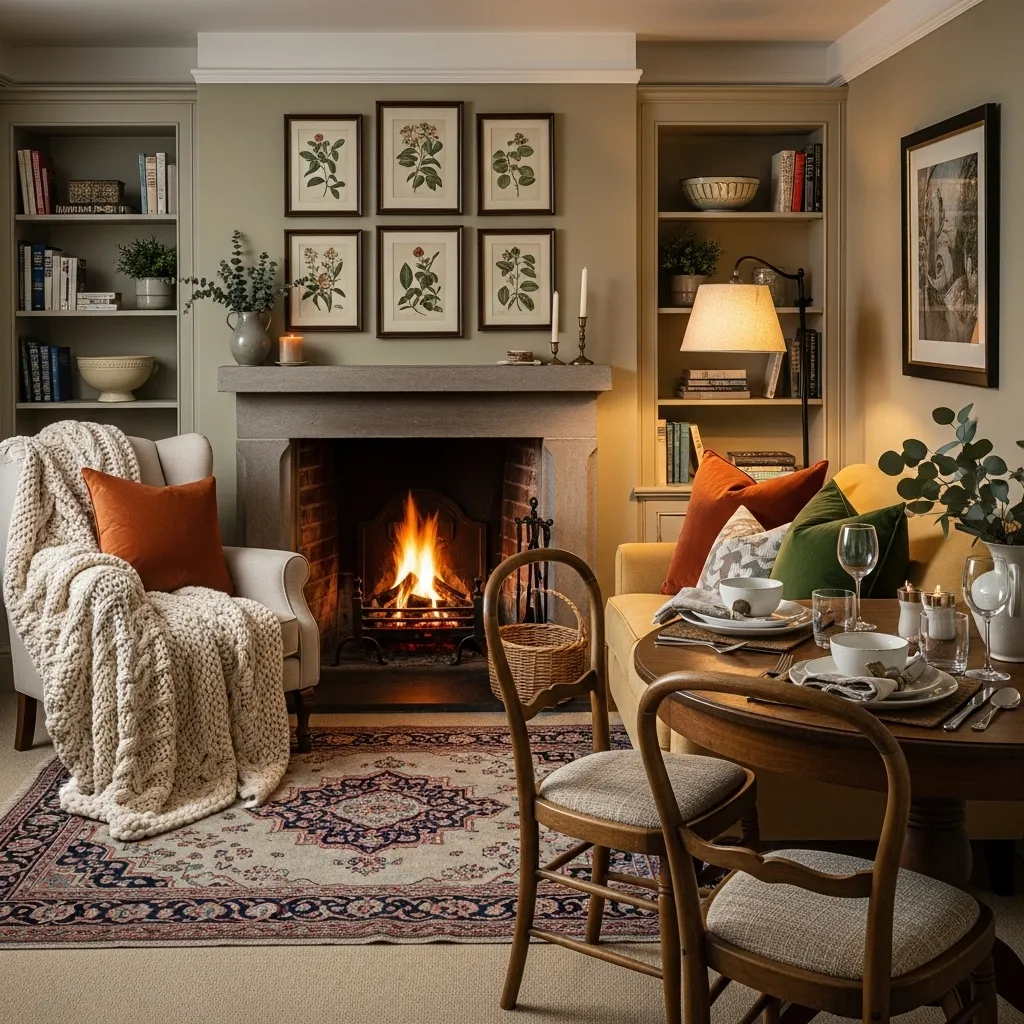
If your small space has a fireplace, let it be the heart of the layout. Center the sofa towards the fireplace and position the dining area behind or beside the seating arrangement. This creates a warm, anchor-like effect that brings the whole room together. Use soft textures, handmade stockings, or seasonal decor to enhance the cozy mood.
The dining zone feels naturally tucked away yet connected. A small table, warm lighting, and DIY centerpiece complete the setup. This layout is perfect for wintertime coziness and year-round charm.
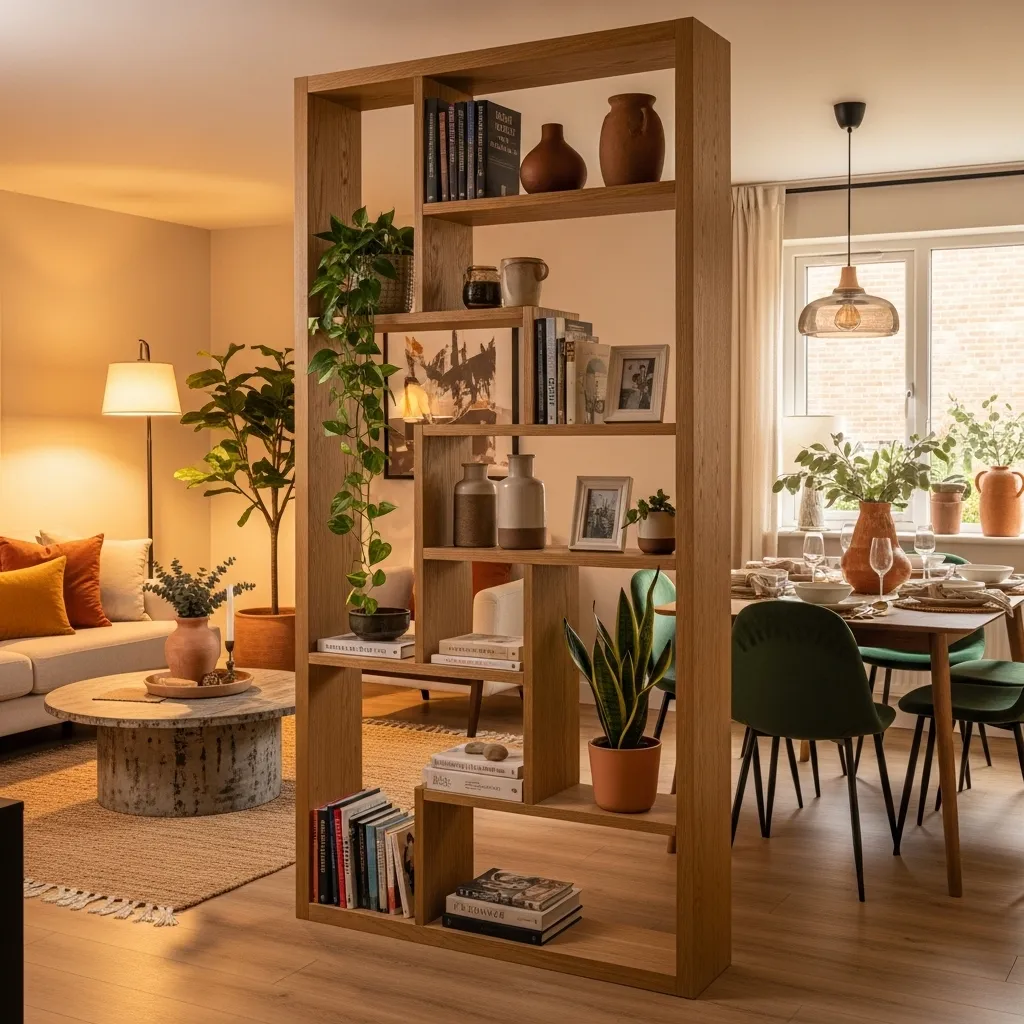
A tall open bookshelf is a functional and stylish divider. It separates the living and dining zones while offering plenty of storage for books, handmade decorations, and seasonal crafts. The open design ensures light flows through, keeping the room bright and airy.
Decorate the shelves with baskets, pottery, and DIY ornaments to bring texture and charm. The living area feels enclosed but not boxed in, while the dining space gains a more intimate feel. This layout is perfect for readers and décor lovers alike.
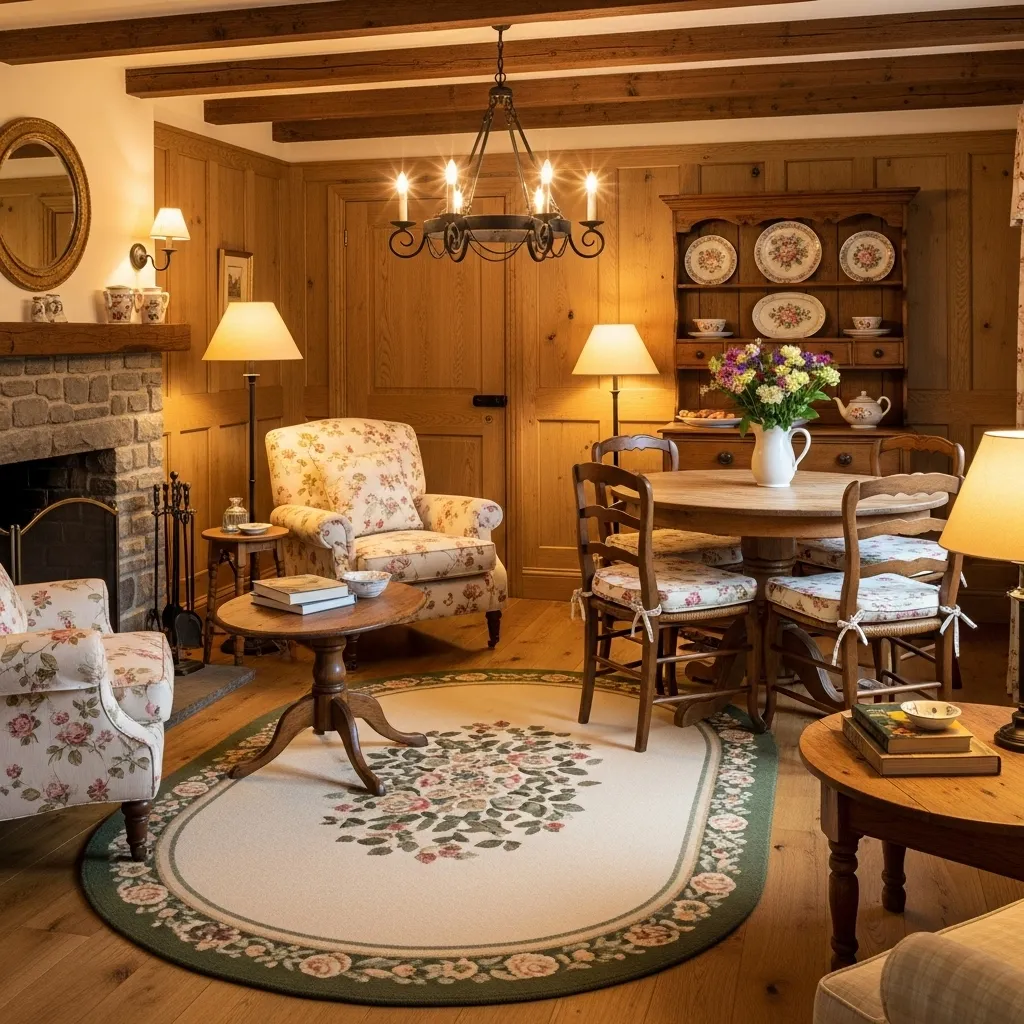
Cottage-style décor brings comforting warmth to small living–dining combos. Use soft florals, warm woods, and layered textures to define each area. A compact loveseat, small dining table, and handmade decorations create a welcoming, homey atmosphere perfect for Pinterest-inspired layouts.
Add DIY decor like stitched table runners, painted vases, or upcycled wooden pieces to personalize the space. This layout encourages relaxation and creativity, making even the smallest home feel cozy and full of heart.
Conclusion
A small living–dining room doesn’t have to feel cramped or limiting—in fact, it can become one of the most charming and creative areas of your home. By using clever layouts, cozy textures, and warm layering, you can design a multifunctional space that reflects your personal style. Whether you prefer Scandinavian minimalism, cottage coziness, or modern simplicity, each idea offers a starting point for transforming your room. With handmade touches, seasonal decorations, and thoughtful zoning, even the tiniest home can feel spacious, inviting, and beautifully curated. Let your creativity guide you, experiment with different arrangements, and enjoy crafting a layout filled with comfort and personality.
FAQs
1. How do I make a small living–dining room feel bigger?
Use light colors, floating furniture, mirrors, and rugs to create visual zones without crowding the space. Keep décor simple and cohesive.
2. What kind of dining table works best in a small room?
Round, oval, or slim rectangular tables work beautifully. Foldable or wall-mounted tables are great for extra-tight spaces.
3. How can I divide the living and dining zones without walls?
Use rugs, open shelves, furniture placement, lighting, or folding screens to gently separate the areas while keeping the room airy.
4. What décor helps unify both zones?
Use matching color palettes, similar textures, and handmade or DIY décor pieces to tie the spaces together.
5. Can I mix different styles in one small space?
Yes—just keep a consistent color palette. Mix cottage textures with modern furniture or DIY crafts with minimal décor for a cozy, balanced look.
 Skip to content