 Skip to content
1. Sharp Countertop Edges
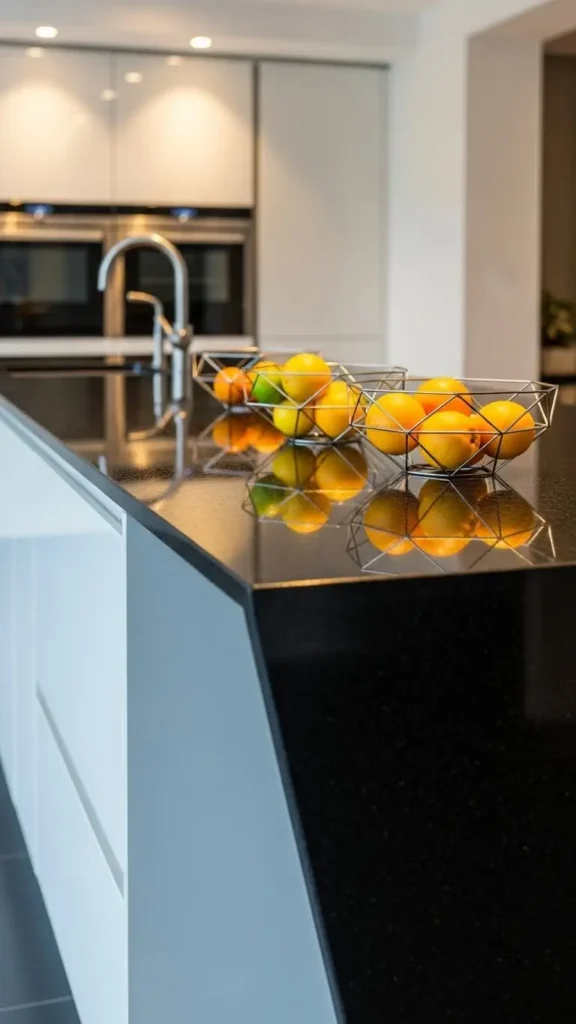
Sharp corners on counters can cause serious injuries if children bump into them. Even minor collisions may result in bruises or cuts.
Using rounded or beveled edges reduces the risk while keeping the kitchen stylish. It’s a small adjustment with a big safety impact.
2. Unsecured Cabinets with Hazardous Items
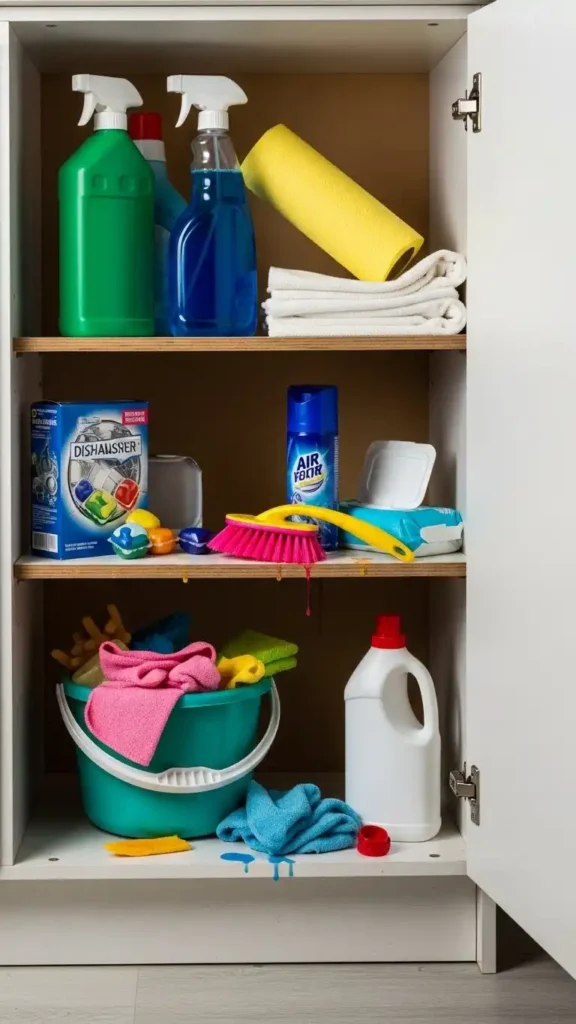
Cabinets storing knives, cleaning supplies, or heavy appliances can be dangerous if children access them. Unlocked cabinets are a common hazard.
Installing childproof locks or placing dangerous items out of reach helps prevent accidents and keeps the kitchen safe.
3. Heavy or Low-Hanging Appliances
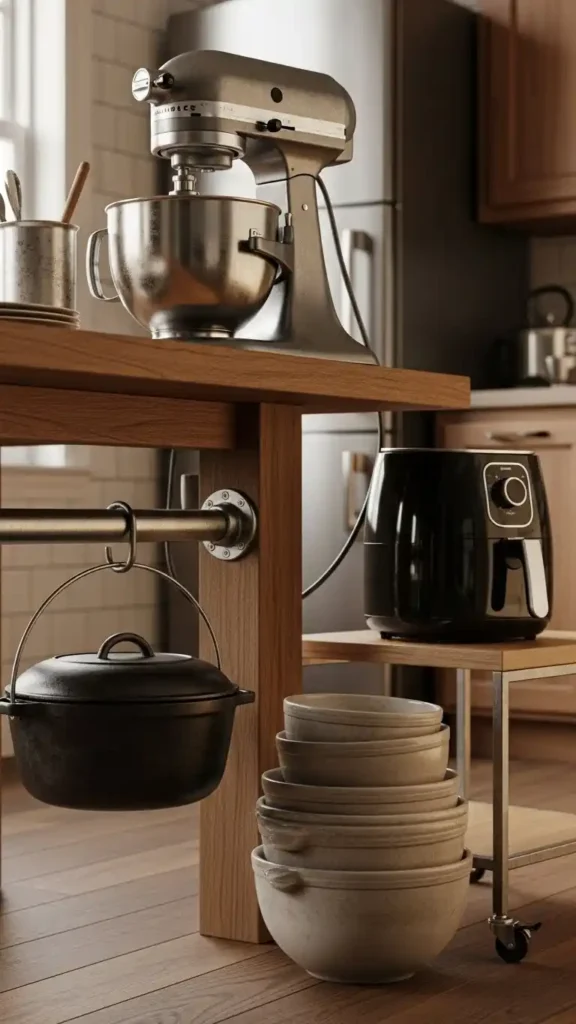
Appliances placed too low or with heavy doors can cause injuries when children reach or pull them. Ovens and microwaves are especially risky.
Position appliances at safe heights and choose lightweight options when possible. This improves accessibility and safety.
4. Slippery Flooring
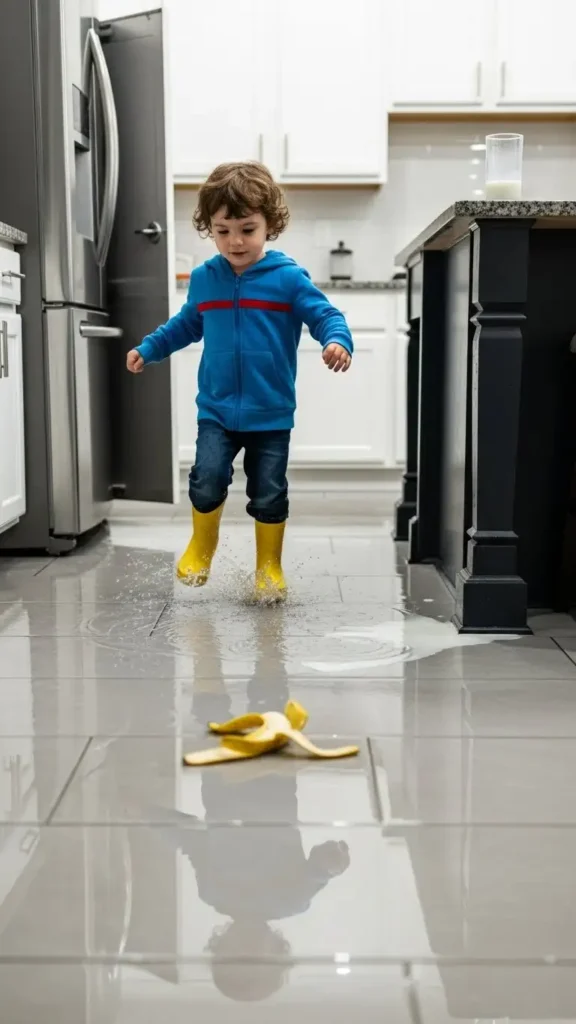
Glossy tiles or smooth surfaces can become slippery when wet. Children running or walking with socks may easily slip.
Non-slip tiles or textured vinyl flooring reduce fall risks. This keeps the kitchen safe while maintaining style.
5. Crowded Walkways
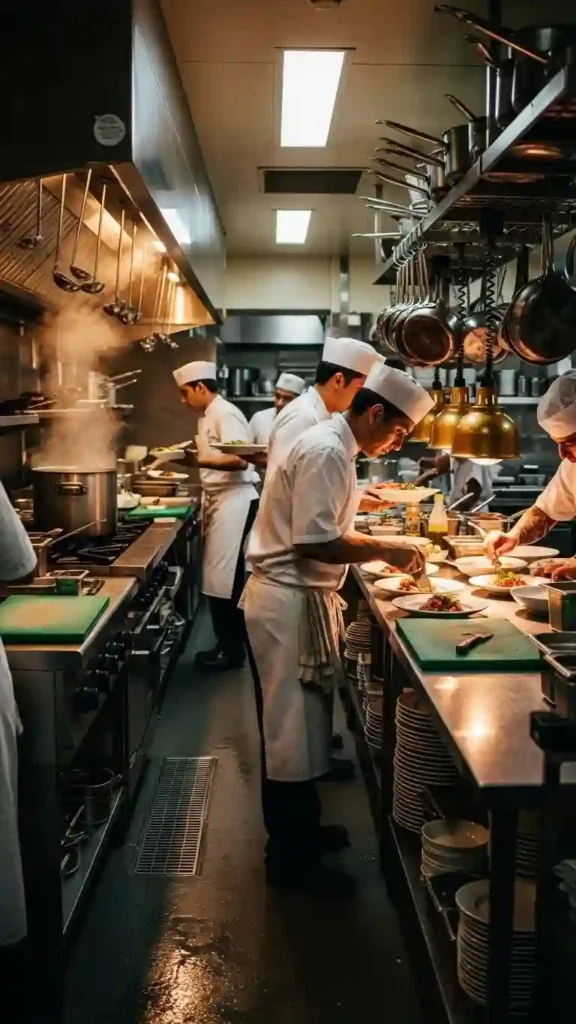
Cluttered kitchen layouts with narrow paths increase trip hazards. Toys, stools, or misplaced chairs can block movement.
Clear, open walkways allow children and adults to navigate safely. Minimalism enhances both safety and visual appeal.
6. Unprotected Stove Knobs
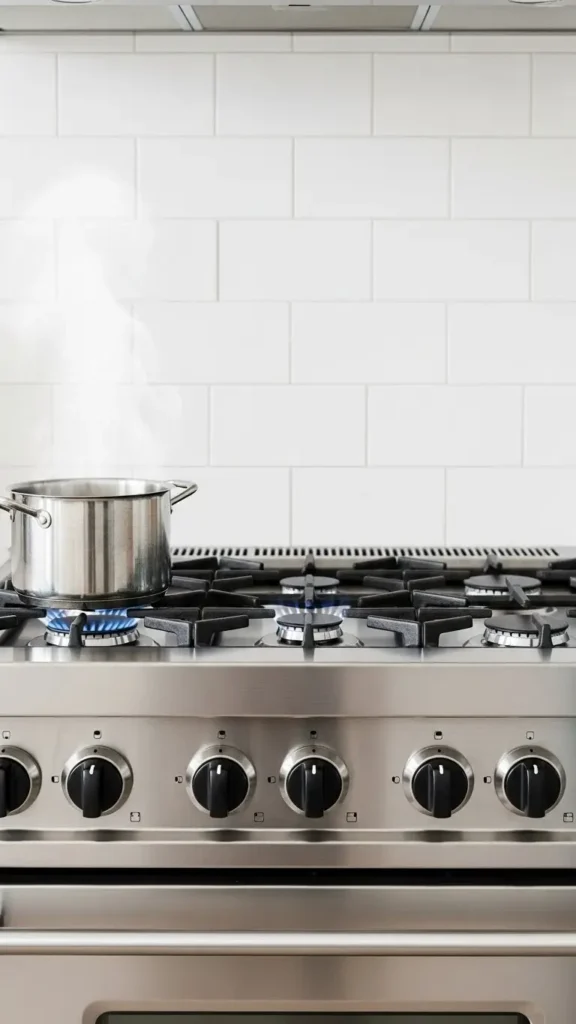
Stove knobs at child level can lead to accidental burns or fire hazards. Children may turn them out of curiosity.
Installing stove knob covers or moving controls higher prevents accidents while maintaining functionality.
7. Heavy Cabinet Doors
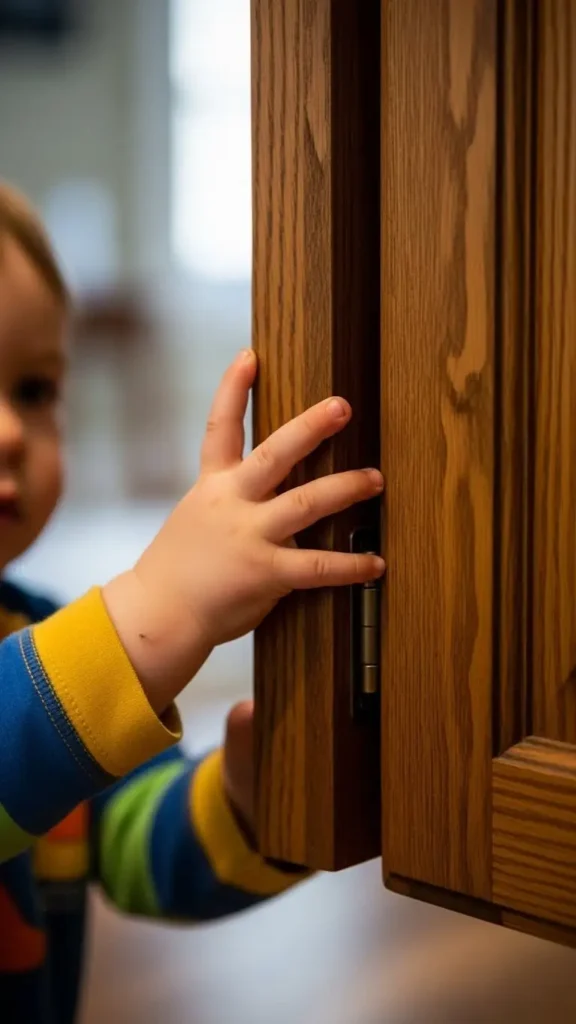
Cabinet doors that swing open too quickly or are heavy can hit children or pinch fingers.
Soft-close hinges reduce sudden movements. They protect small hands while keeping daily routines smooth.
8. Lack of Rounded Table or Island Edges
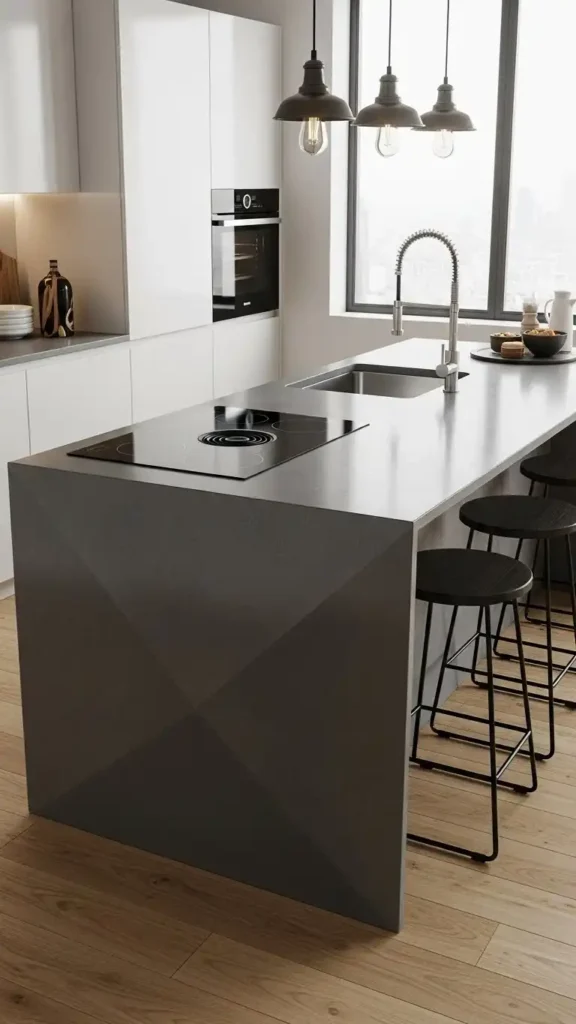
Kitchen islands or tables with sharp corners pose collision risks. Children often run or play near them.
Rounded or padded edges soften the space and reduce injuries without sacrificing style.
9. Open Shelves with Breakable Items
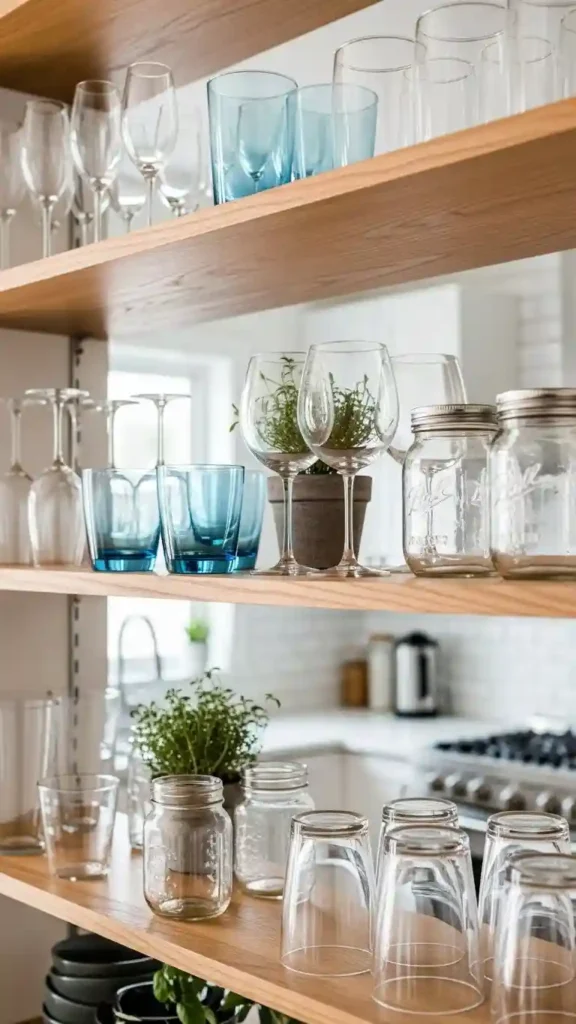
Open shelving displaying glassware or ceramics can be dangerous if items fall or are pulled down.
Use child-safe storage or keep fragile items on higher shelves. It prevents accidents and maintains an organized look.
10. Poor Lighting Near Work Areas
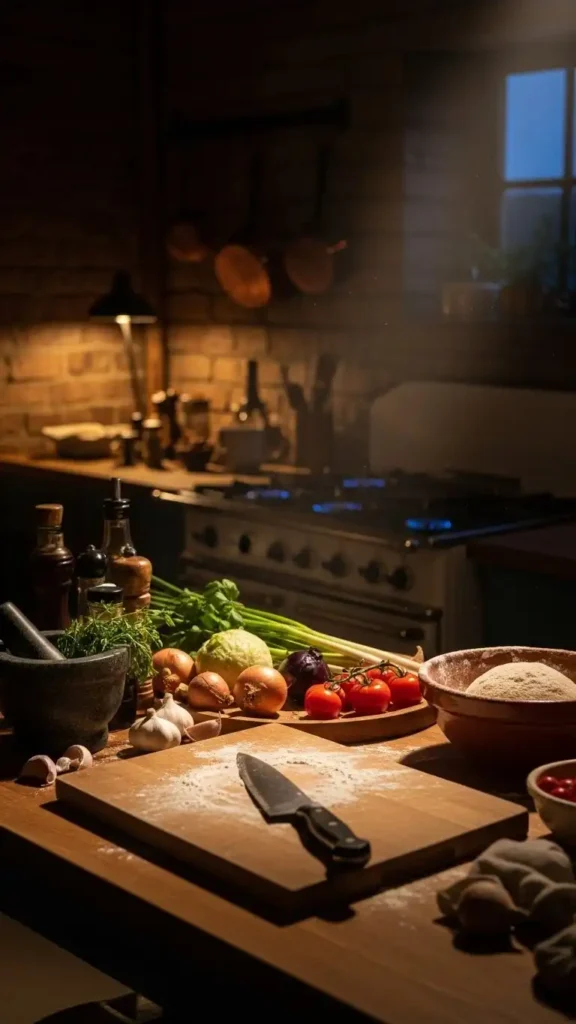
Dim lighting can make it hard to see spills, sharp objects, or obstacles. This increases the risk of cuts and slips.
Proper task lighting ensures clear visibility. It supports safer cooking and preparation, especially with children around.
Conclusion
Kitchens are the heart of the home, but they can also pose hazards for children if design mistakes are overlooked. Sharp edges, unsecured cabinets, slippery floors, and poor lighting are just a few common risks. By making small changes—rounded countertops, childproof locks, soft-close doors, non-slip flooring, and clear walkways—parents can significantly reduce accidents. Proper appliance placement, stove knob safety, and thoughtful storage further enhance security. These ten kitchen design mistakes show the importance of balancing style with safety. A well-planned kitchen allows children to be part of family routines while parents maintain peace of mind, creating a space that is both functional and safe for the entire household.
FAQs
1. Why are kitchens risky for children?
Sharp edges, hot surfaces, and slippery floors increase hazards.
2. Are stove knob covers effective?
Yes, they prevent accidental burns and gas use.
3. Should all cabinets have child locks?
Hazardous cabinets should be secured.
4. Can flooring impact kitchen safety?
Non-slip surfaces reduce falls and injuries.
5. Do open shelves pose danger?
Yes, especially with breakable or heavy items.