

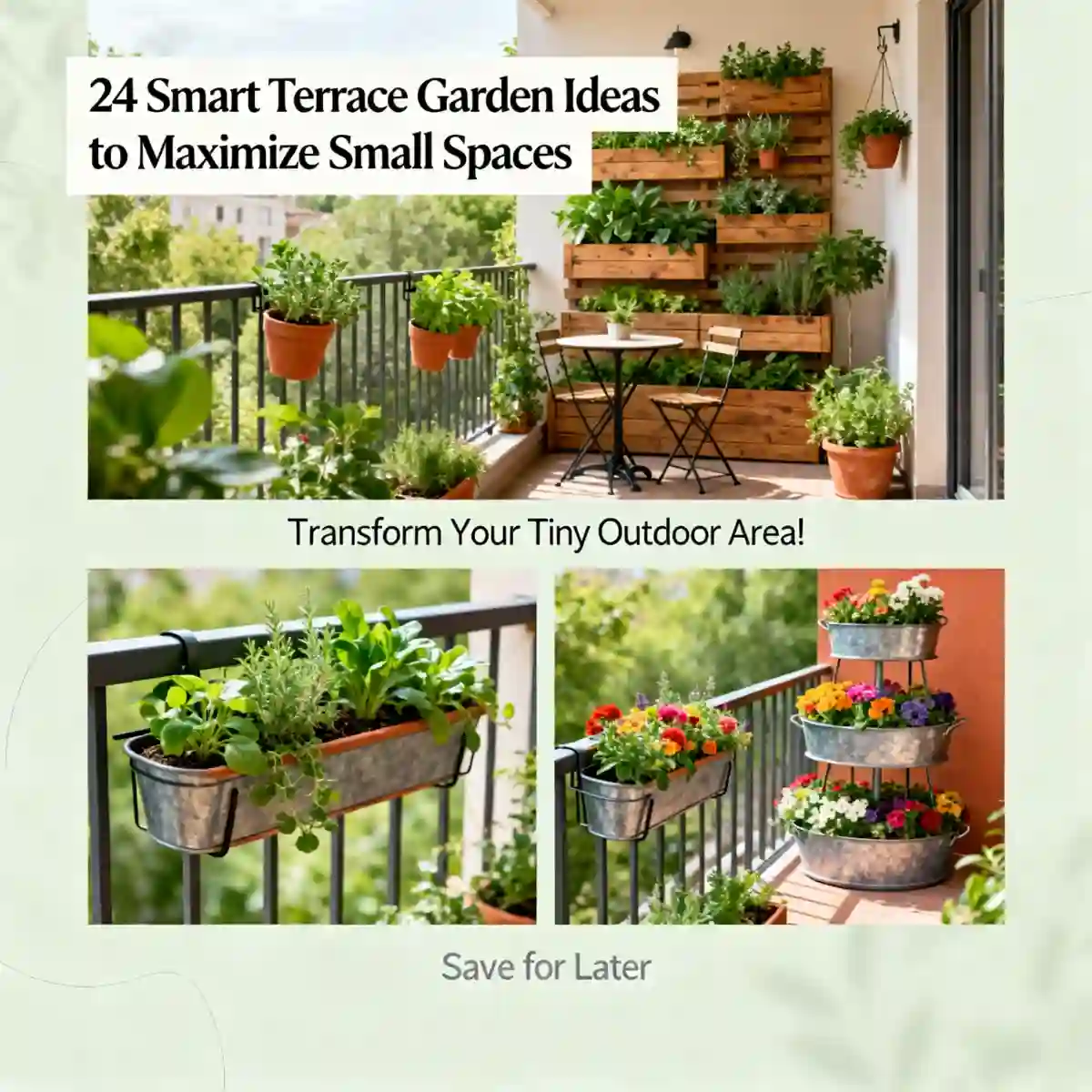
1. Vertical Green Wall Design

Vertical green walls transform plain terrace walls into lush garden features without using floor space. This design is perfect for small terraces where every inch matters and greenery is desired without clutter.
Plants arranged vertically create a cooling, refreshing effect. The terrace instantly feels fuller, greener, and visually larger while staying organized and breathable.
2. Corner Plant Grouping
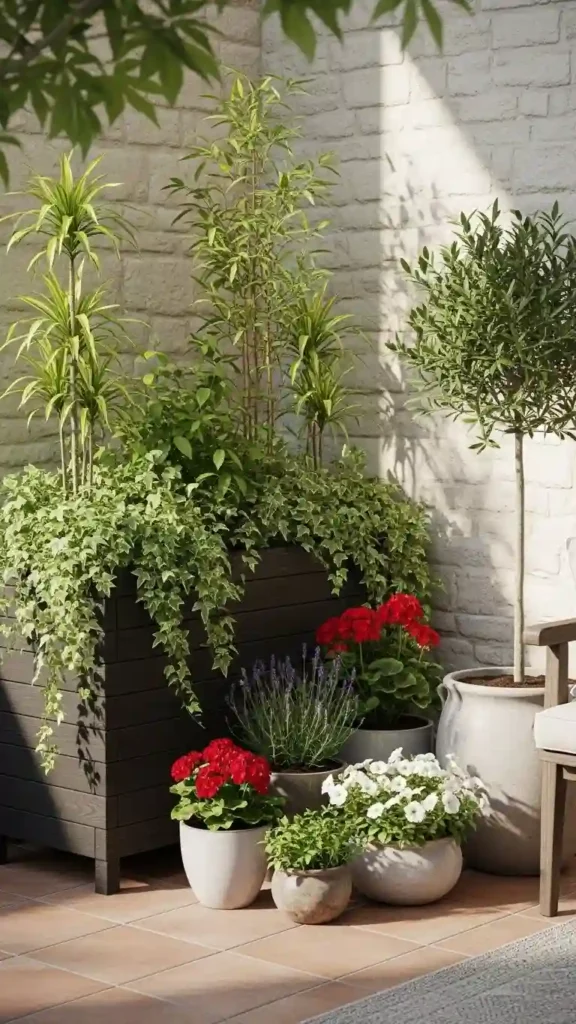
Using terrace corners for grouped plants keeps the center open and clutter-free. Instead of scattering pots everywhere, corner arrangements feel neat and intentional.
Mixing different heights and textures adds visual interest. Small terraces look balanced, cozy, and thoughtfully styled.
3. Railing Planter Setup
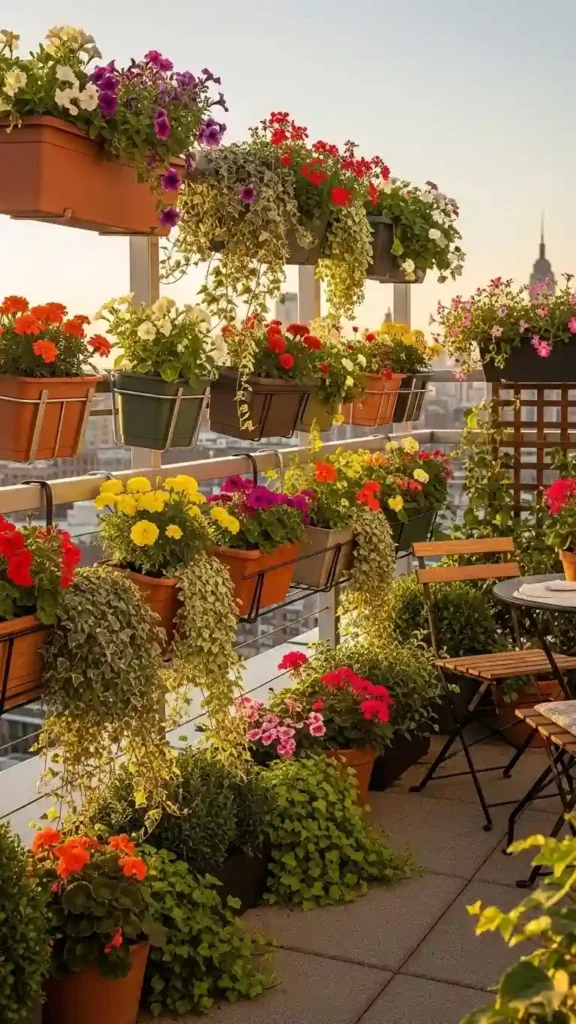
Terrace railings are ideal for slim planters that don’t take up walking space. Flowers, herbs, or trailing plants soften the terrace edges beautifully.
This idea keeps the terrace airy and open while adding greenery at eye level. It’s practical and visually pleasing.
4. Multi-Level Plant Shelves
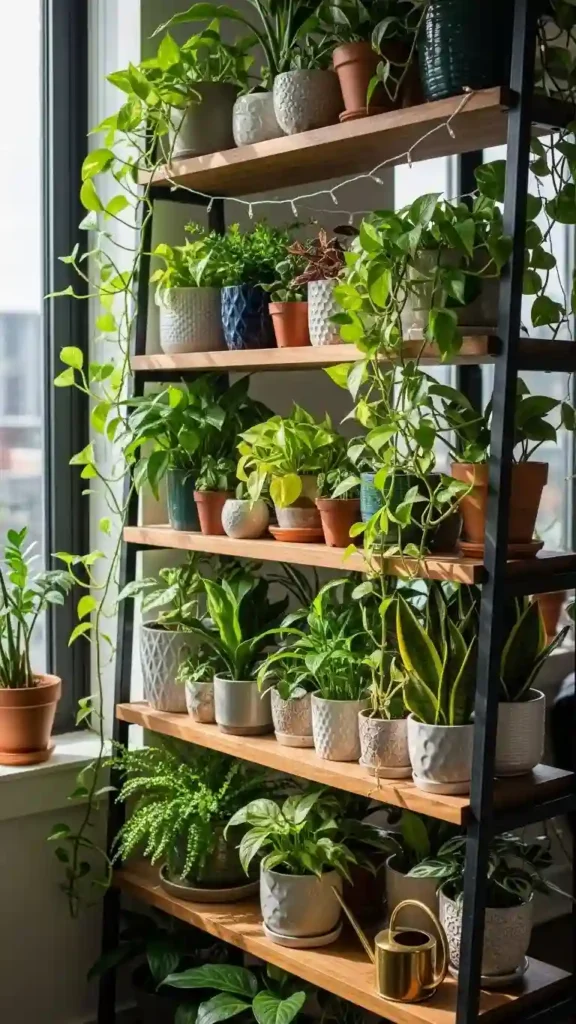
Plant shelves help you grow upward instead of outward. This is a smart solution for terraces with limited floor area.
Different levels create depth and structure. The terrace feels organized, stylish, and easy to maintain.
5. Hanging Planters from Above
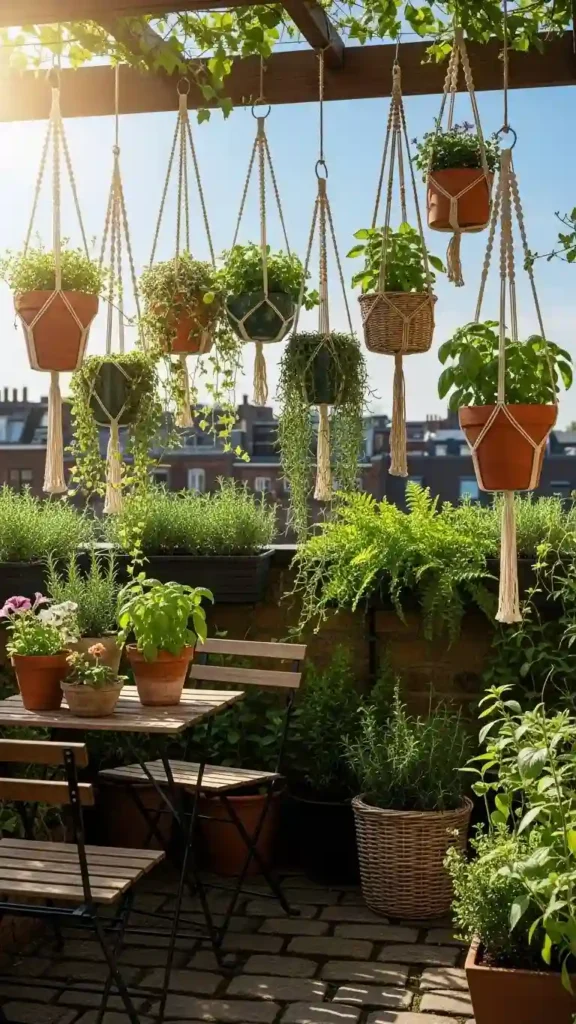
Hanging planters use overhead space effectively. They add greenery without blocking movement or seating areas.
Trailing plants create softness and flow. Small terraces feel lush yet uncluttered.
6. Foldable Furniture with Plants
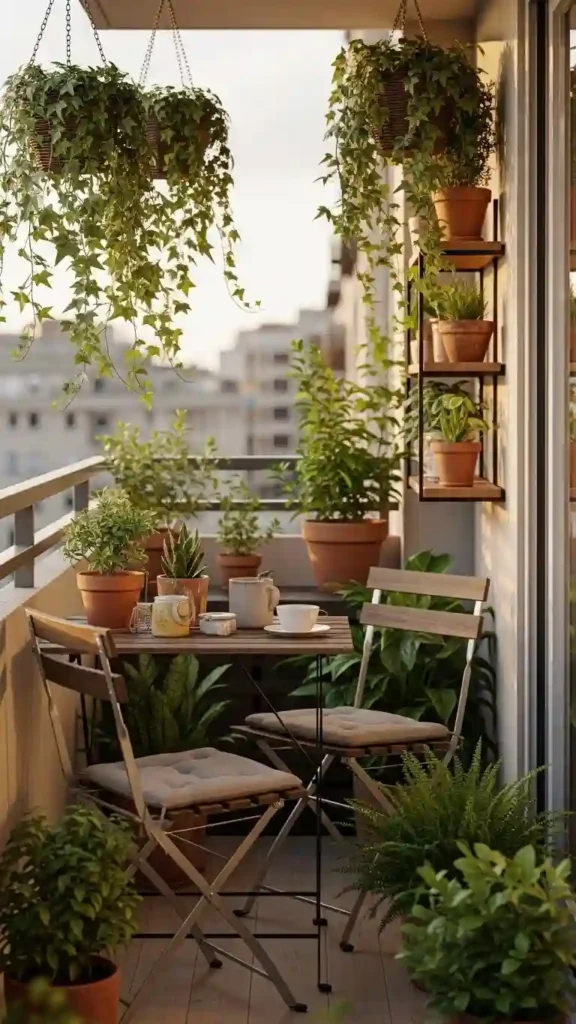
Foldable tables and chairs save space when not in use. Pairing them with plants keeps the terrace cozy.
This design allows flexibility while maintaining comfort. The terrace remains functional and open.
7. Minimal Pot Layout
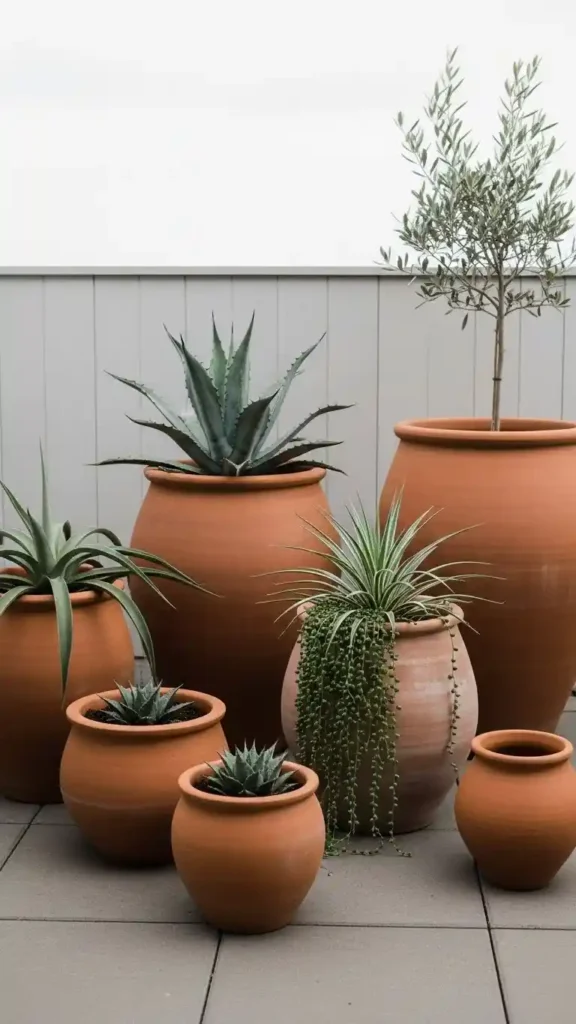
Fewer pots arranged intentionally make a small terrace feel larger. Minimal layouts reduce visual noise.
Neutral pots help plants stand out naturally. The space feels calm, modern, and balanced.
8. Raised Wooden Planter Boxes
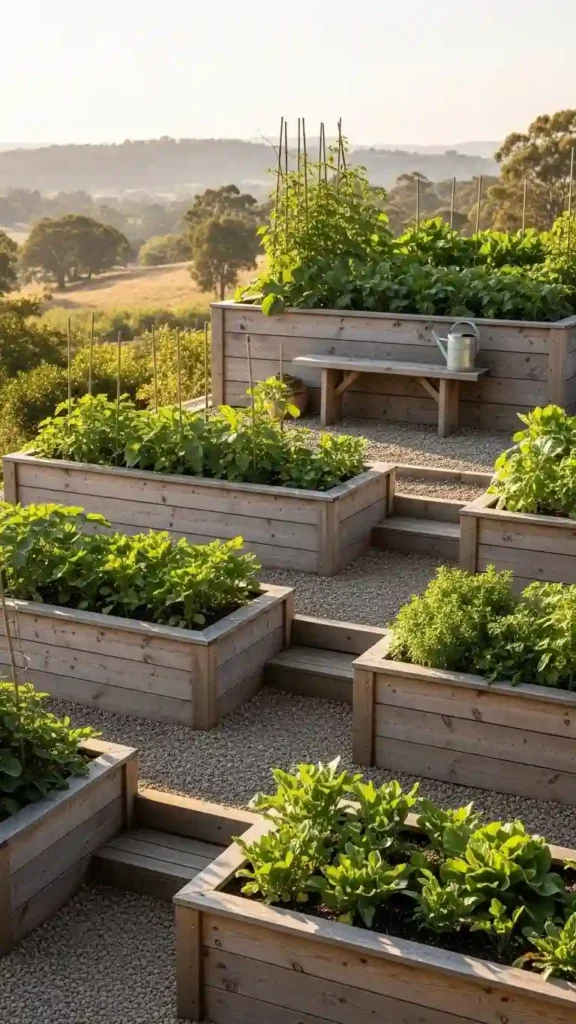
Raised planters define garden zones clearly. They keep soil contained and plants organized.
Wooden textures add warmth. Even compact terraces feel polished and welcoming.
9. Compact Herb Corner
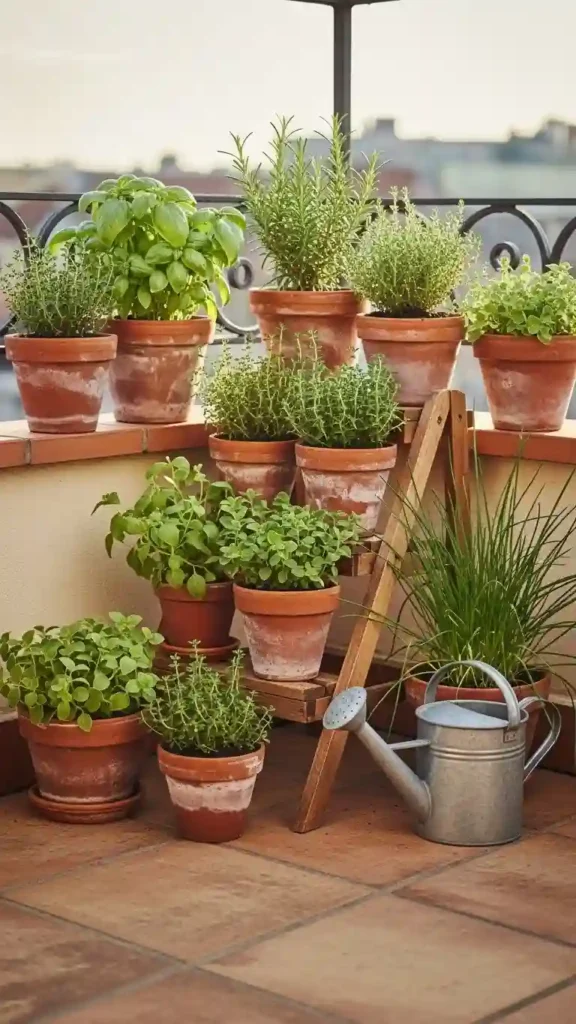
Herbs thrive in small containers and need little space. A herb corner is both practical and decorative.
This idea connects daily cooking with nature. Small terraces feel purposeful and fresh.
10. Slim Plant Ladder
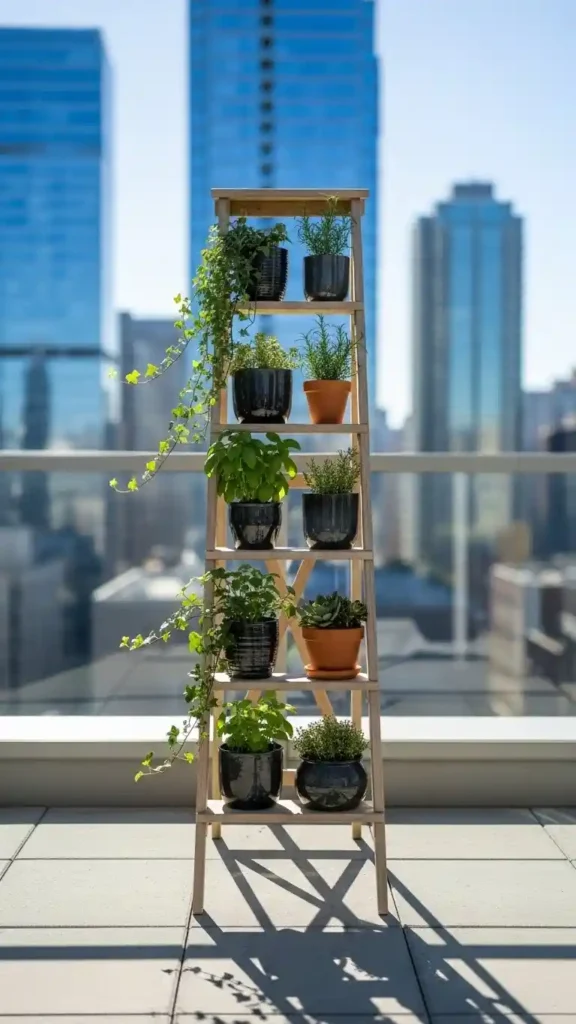
Plant ladders lean against walls and save floor space. Each level holds a pot neatly.
They add vertical interest without bulk. Terraces look stylish and well-planned.
11. Under-Bench Green Storage
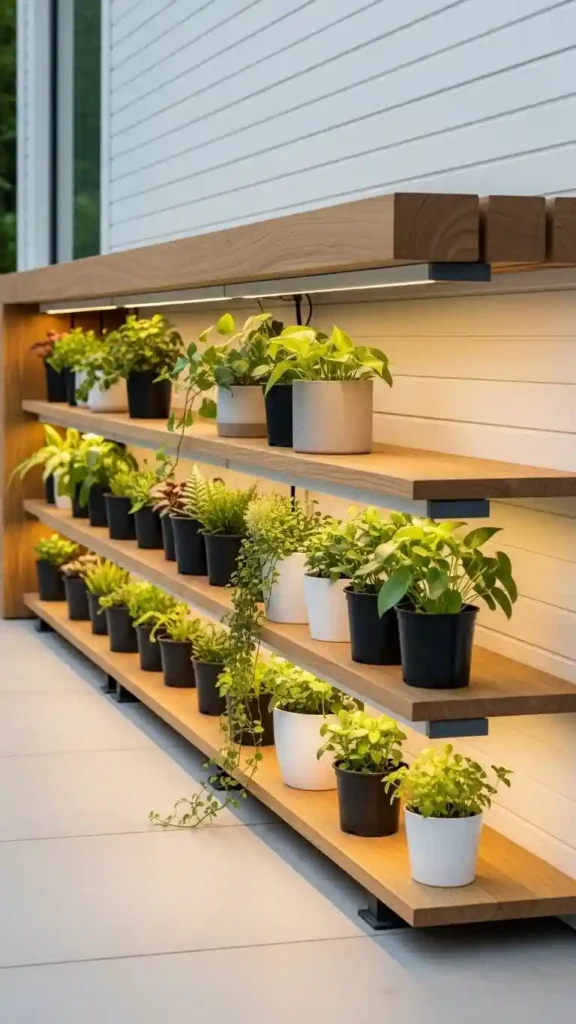
The space under benches is often unused. Adding plants or storage there maximizes efficiency.
This design keeps the terrace tidy and functional. Nothing feels wasted.
12. Trellis with Climbing Plants
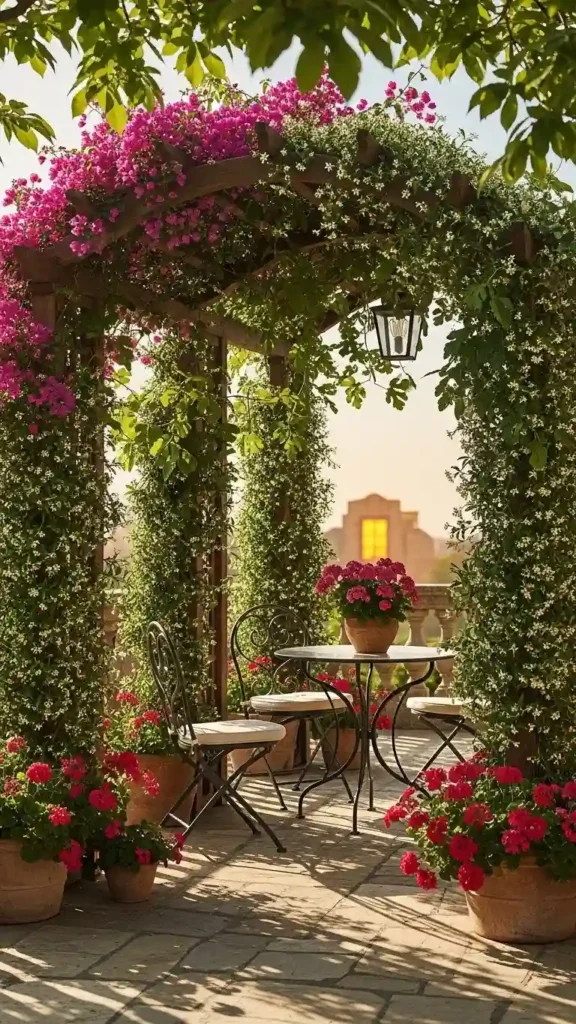
Climbing plants grow upward, making them ideal for small terraces. A trellis supports growth beautifully.
This adds privacy and greenery. The terrace feels intimate and lush.
13. Lightweight Movable Pots
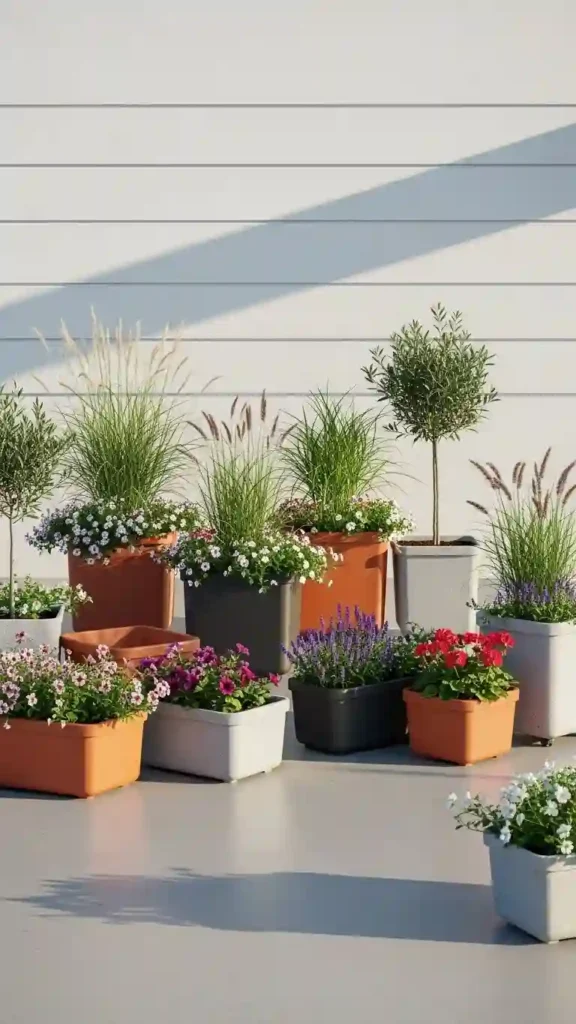
Lightweight pots allow easy rearranging. You can adjust layouts as sunlight or seasons change.
Flexibility is essential in small spaces. The terrace stays adaptable and stress-free.
14. Soft Outdoor Lighting
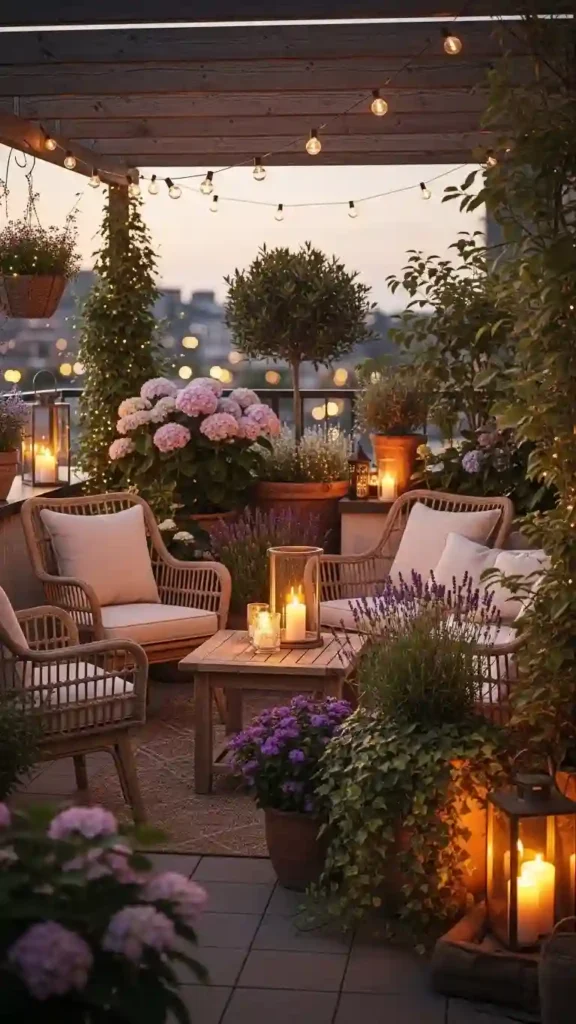
Warm lighting highlights plants and corners after sunset. It adds depth without overwhelming the space.
Even tiny terraces feel magical at night. The atmosphere becomes cozy and inviting.
15. Narrow Green Path Borders
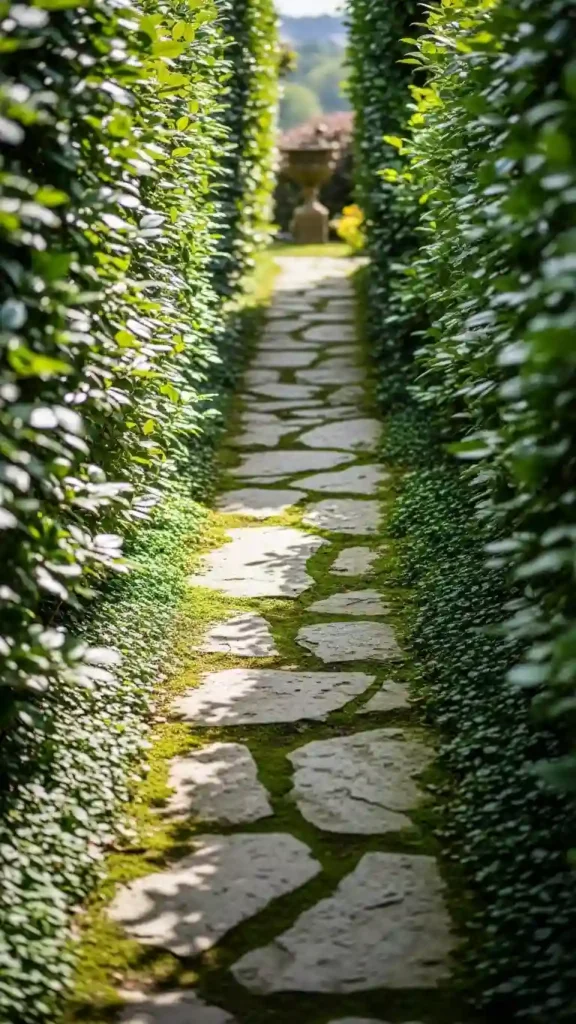
Thin plant borders along walkways use minimal space. They guide movement gently.
This adds charm without blocking flow. The terrace feels organized and peaceful.
16. Vertical Herb Rack
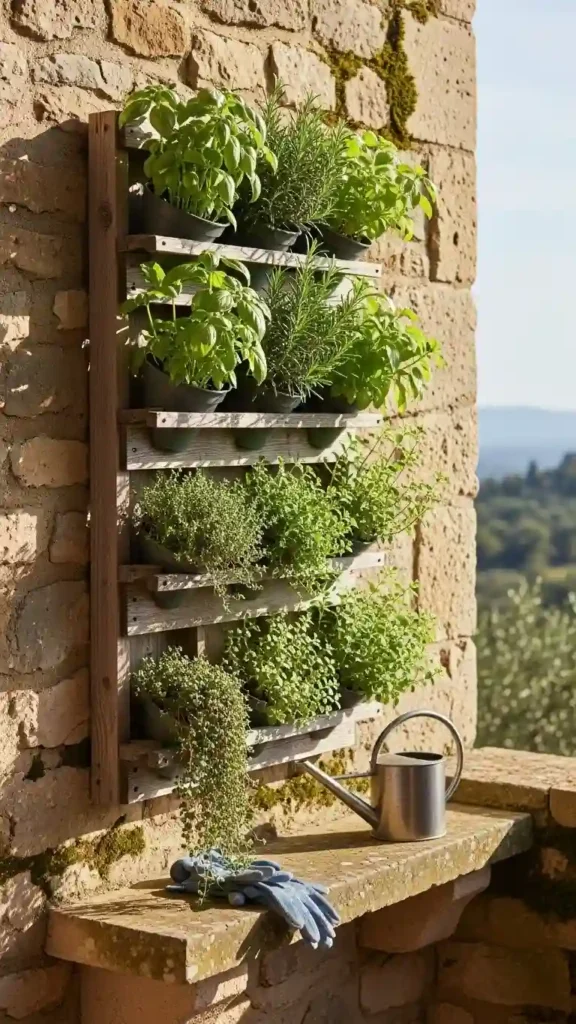
Wall-mounted herb racks save floor space and look decorative. They keep herbs within easy reach.
This is perfect for small terraces used daily. Everything stays neat and functional.
17. Indoor-Outdoor Plant Continuity
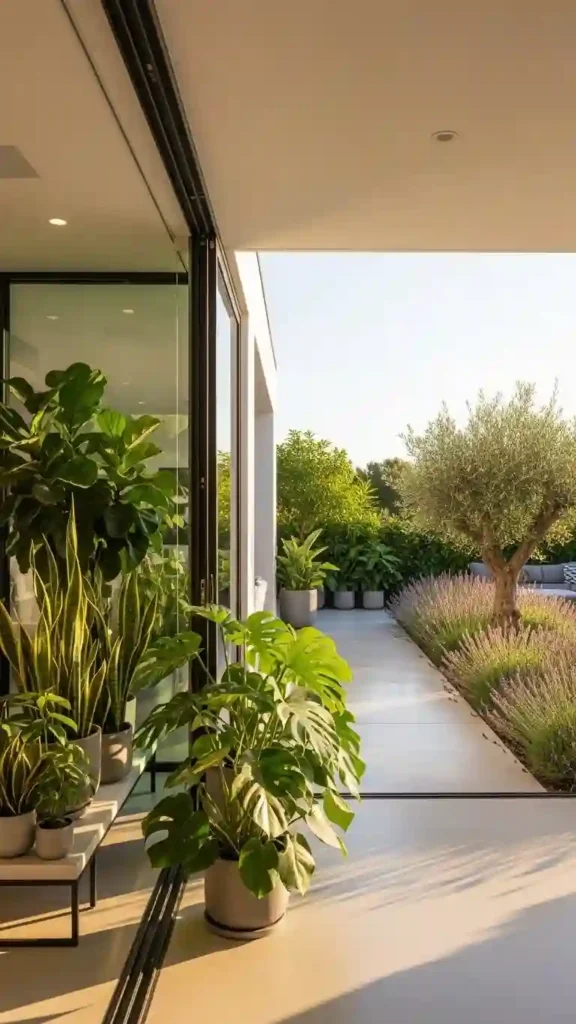
Using similar plants indoors and on the terrace creates visual flow. Spaces feel connected.
This trick makes small terraces appear larger. The home feels calm and cohesive.
18. Neutral Color Palette
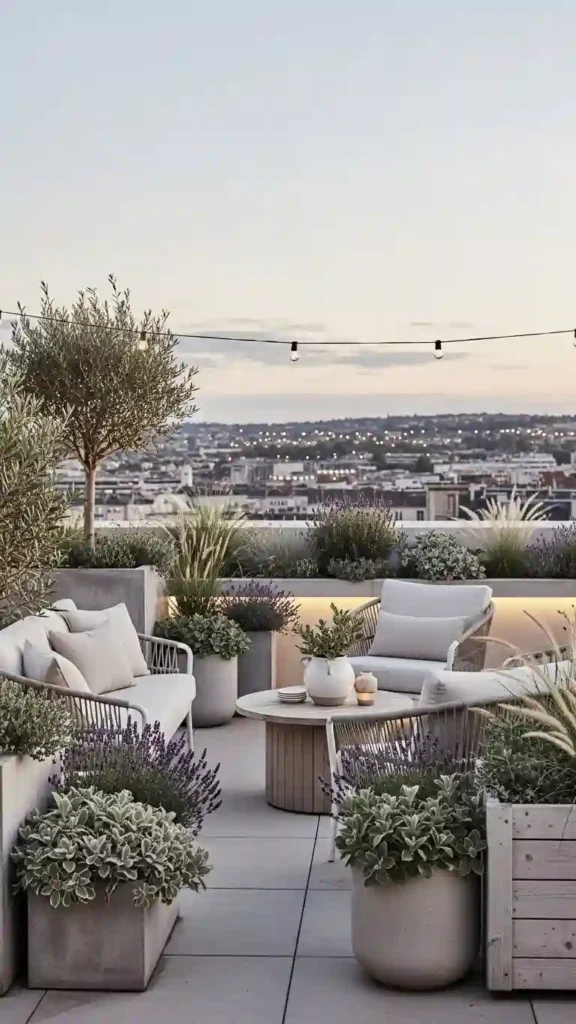
Neutral colors keep terraces visually light and open. Plants become the main focus.
This avoids cluttered looks. Small spaces feel clean, airy, and elegant.
19. Cozy Corner Seating
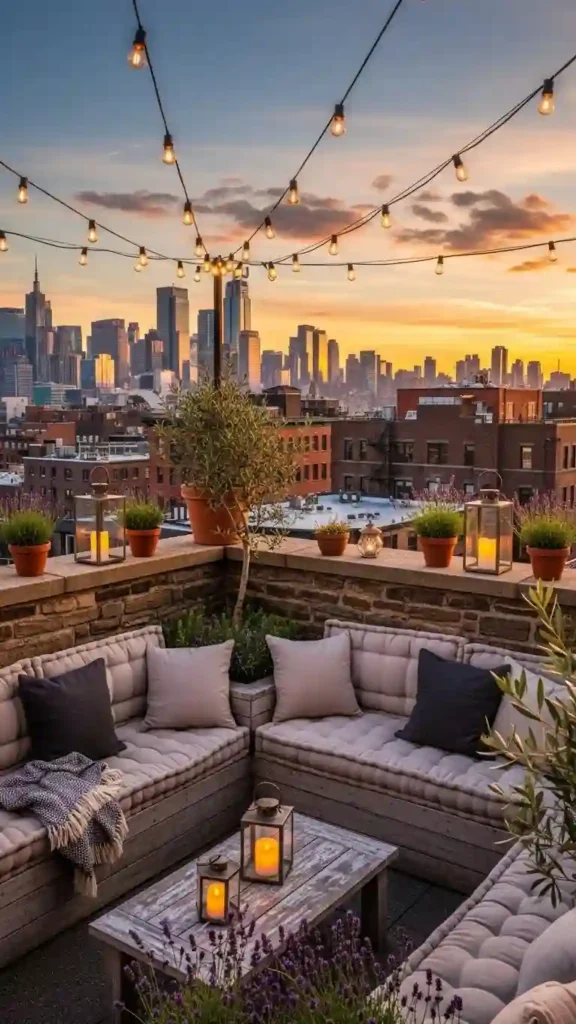
A small chair or floor cushion tucked into a corner creates a relaxing retreat. Plants surround the seating softly.
Unused corners become meaningful spaces. Even compact terraces feel welcoming.
20. Functional Decor Elements
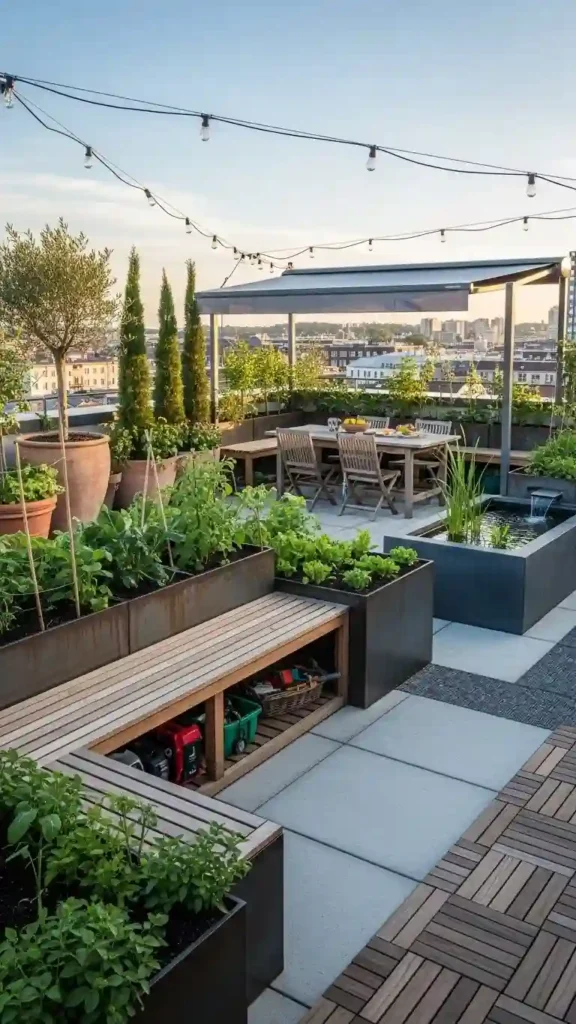
Decor that serves a purpose works best in small terraces. Planters, shelves, and seating should add value.
This keeps the space intentional. The terrace feels smart and stylish.
21. Floor-to-Wall Green Corners
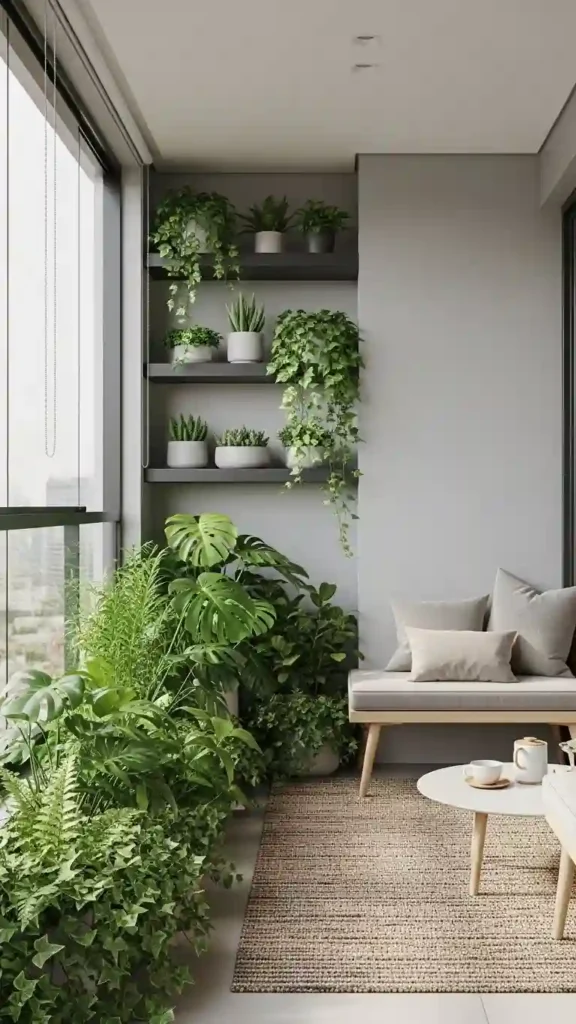
Using full wall height for plants maximizes greenery. Corners become lush focal points.
This creates a strong visual impact. Small terraces feel immersive and fresh.
22. Rolling Plant Carts
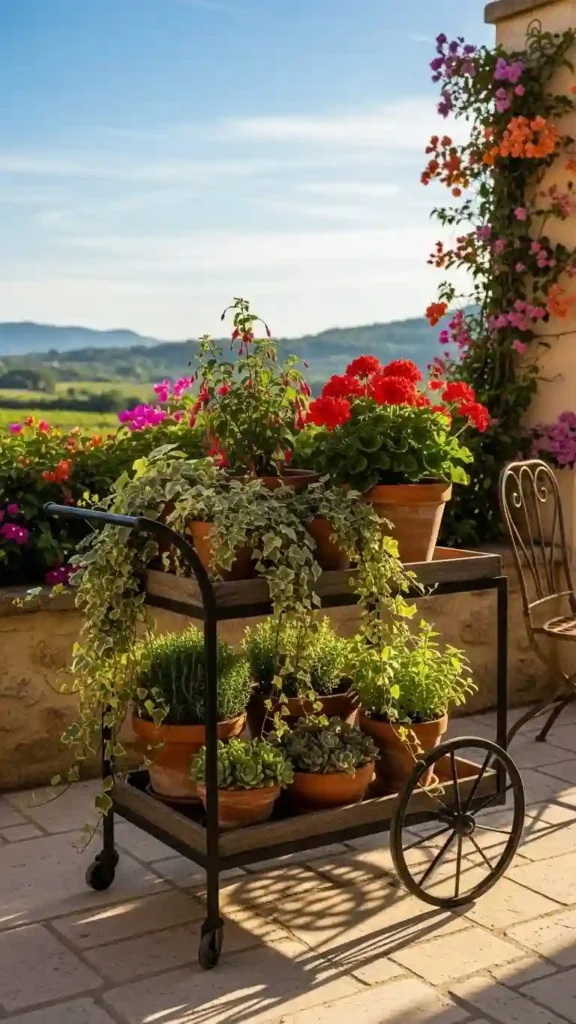
Plant carts can be moved easily based on sunlight needs. They add flexibility and style.
This design suits changing layouts. Small terraces feel dynamic and practical.
23. Hanging Basket Clusters
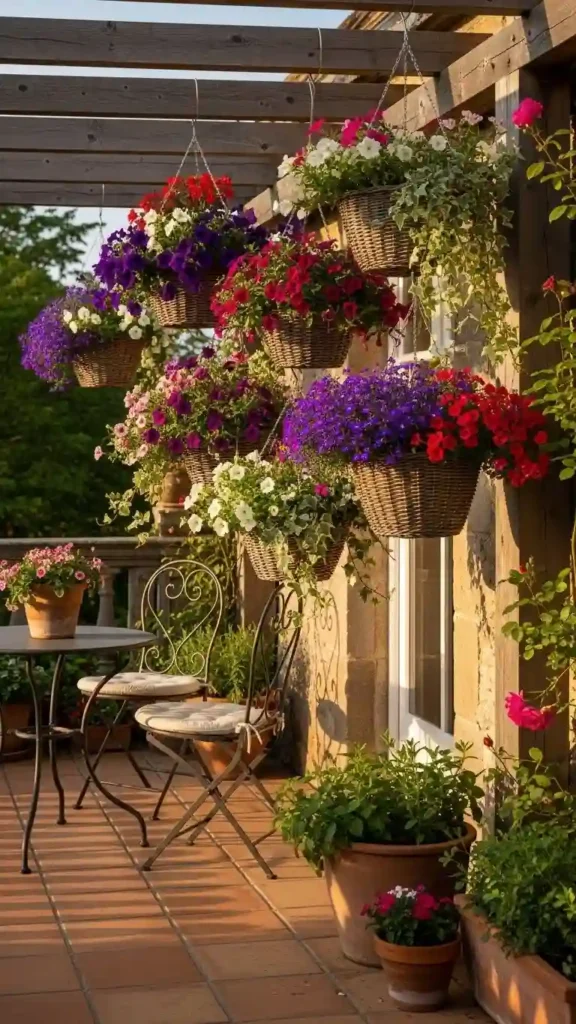
Grouping hanging baskets creates depth without crowding the floor. Light filters through beautifully.
This design adds softness and movement. Terraces feel fresh and lively.
24. Calm Green-Focused Design
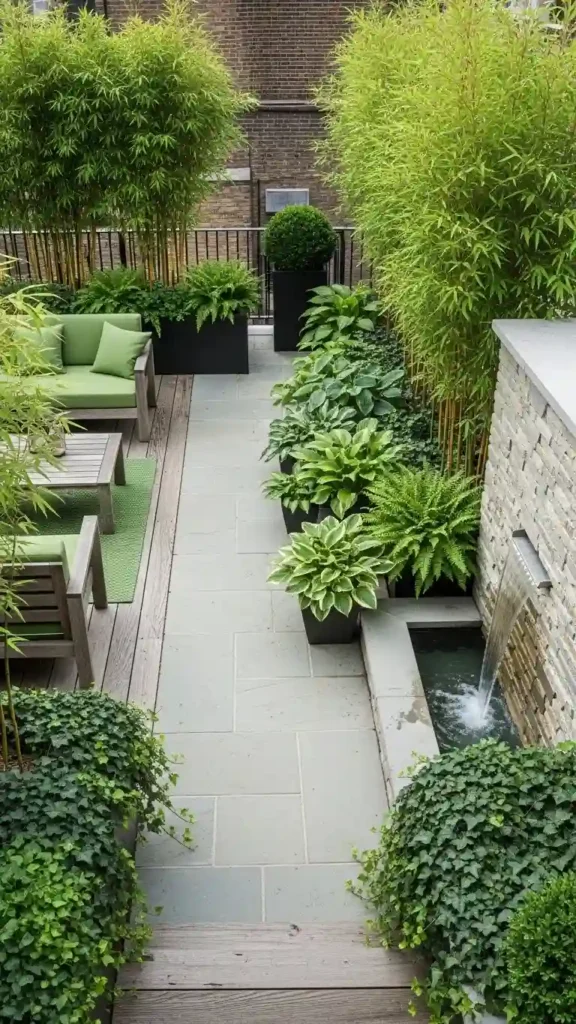
Let plants lead the design and keep decor minimal. Too many elements overwhelm small terraces.
A green-focused approach feels peaceful. The terrace becomes a relaxing escape.
Conclusion
Small terraces can become beautiful green escapes with smart planning and thoughtful design. By using vertical space, corners, railings, and multi-functional furniture, every inch can be maximized without feeling crowded. Light colors, minimal decor, and flexible layouts help small terraces feel open and calming. These 24 smart terrace garden ideas prove that size never limits creativity. Whether you prefer herbs, flowers, or simple greenery, intentional design choices make a big difference. With the right balance, even the smallest terrace can feel refreshing, organized, and deeply relaxing.
FAQs
1. Can small terraces support a garden?
Yes, vertical and compact designs work well.
2. What plants are best for terraces?
Herbs, climbers, and compact plants.
3. Do hanging plants save space?
Yes, they free up floor area.
4. Is lighting useful in terrace gardens?
Yes, it adds warmth and depth.
5. How do I avoid clutter on a terrace?
Use minimal and functional elements.
